

Oral health plays an important role in your overall well-being, confidence, and quality of life. However, many people ignore dental problems such as tooth sensitivity, bleeding gums, persistent toothaches, or bad breath until they start affecting daily activities. Choosing an experienced dental professional can help you address these concerns early and maintain healthy teeth and gums.
When searching for Dental Clinics Mumbai, patients often look for qualified dentists, modern treatment options, clear guidance, and a comfortable environment. Whether you need a routine dental checkup, teeth cleaning, root canal treatment, dental implants, or orthodontic care, selecting the right clinic can make your dental care journey easier and more informed.
Why Is Choosing an Experienced Dental Clinic Important?
An experienced dental clinic can help identify oral health concerns, explain suitable treatment options, and guide patients through different stages of dental care. Regular dental visits are important even when you do not have noticeable pain, as some dental problems may develop gradually.
Here are some reasons to choose a qualified dental professional:
-
Early identification of dental problems: Regular examinations can help detect cavities, gum disease, and other oral health concerns.
-
Personalised treatment planning: Dentists assess your teeth, gums, and individual needs before recommending treatment.
-
Preventive dental care: Professional cleaning and regular checkups help maintain oral hygiene.
-
Better understanding of treatment: A dentist can explain the procedure, expected recovery, and aftercare requirements.
-
Long-term oral health: Timely treatment can help prevent certain dental problems from becoming more complicated.
Common Dental Services Available at Dental Clinics in Mumbai
Dental clinics may offer preventive, restorative, and cosmetic treatments depending on their facilities and the expertise of their dental professionals.
1. Routine Dental Checkups
A dental checkup involves examining the teeth, gums, and other parts of the mouth for signs of dental problems. Your dentist may also recommend dental X-rays when necessary to assess areas that cannot be seen during a routine examination.
Regular checkups help monitor oral health and identify concerns that may require treatment.
What to expect: The dentist examines your mouth, discusses any symptoms, and recommends further evaluation or treatment if needed. The appointment duration depends on the examination and any additional procedures.
2. Professional Teeth Cleaning
Even with regular brushing and flossing, plaque can build up on teeth. When plaque hardens into tartar, it cannot be removed effectively with a toothbrush alone.
Professional teeth cleaning involves removing plaque and tartar deposits from the teeth. Depending on your oral health, the dentist may also polish your teeth and provide advice on brushing and flossing.
Benefits include:
-
Helping maintain healthy gums.
-
Removing hardened deposits and surface stains.
-
Supporting good oral hygiene.
-
Helping reduce the risk of gum problems when combined with daily care.
After cleaning, some patients may experience temporary sensitivity, particularly if they already have sensitive teeth or gum recession.
3. Root Canal Treatment
Root canal treatment is used when the soft tissue inside a tooth, called the pulp, becomes inflamed or infected. This can happen because of deep tooth decay, cracks, or dental injury.
The procedure aims to remove the affected tissue, clean the inside of the tooth, and seal it to help preserve the natural tooth.
How does the procedure work?
-
The dentist examines the tooth and may take an X-ray.
-
Local anaesthesia is used to numb the area.
-
The affected tissue is removed, and the inner space is cleaned.
-
The tooth is sealed with a suitable filling material.
-
A crown may be recommended to protect the tooth, depending on how much tooth structure remains.
Treatment may require one or more appointments, depending on the condition of the tooth and the complexity of the case.
4. Dental Implants
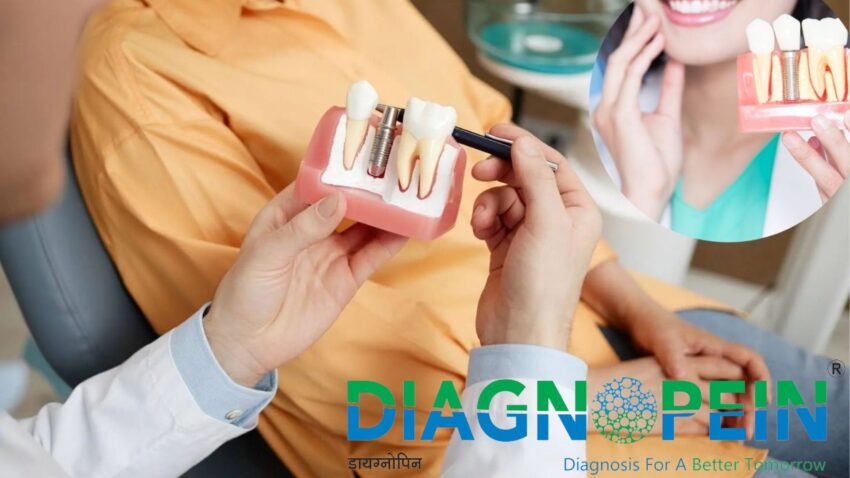
Dental implants are used to replace missing teeth. An implant is a small support placed in the jawbone to hold a replacement tooth.
They may be considered for people who have lost a tooth because of injury, decay, or other dental conditions. Suitability depends on factors such as bone health, gum condition, general health, and oral hygiene.
The process generally includes an assessment, implant placement, a healing period, and attachment of the replacement tooth. Additional procedures may sometimes be necessary.
Patients should follow their dentist’s instructions regarding eating, cleaning the mouth, and attending follow-up visits. Implant treatment costs vary according to the number of implants, materials used, and whether additional procedures are required.
5. Braces and Clear Aligners
Braces and clear aligners help correct certain alignment and bite problems. Braces use brackets and wires to gradually move teeth, while clear aligners use a series of removable trays.
Your dentist or orthodontist will examine your teeth and bite before deciding which option may be suitable.
Patients using clear aligners generally need to wear them for most of the day, according to their dentist’s instructions. Good oral hygiene and regular follow-up appointments are important throughout treatment.
The treatment duration depends on the complexity of the alignment problem and how consistently the patient follows the treatment plan.
6. Dental Crowns and Restorative Treatments
A dental crown is a cap placed over a damaged or weakened tooth to restore its shape, strength, and appearance. Crowns may be recommended after certain root canal treatments or when a tooth has extensive damage.
The dentist prepares the tooth, takes measurements or a digital impression when available, and arranges for the crown to be fitted. The number of visits depends on the treatment method and the patient’s needs.
Other restorative treatments may include fillings to repair cavities and replacement of damaged dental restorations.
How to Choose the Right Dental Clinic in Mumbai
Before booking a dental appointment, consider the following factors:
-
Qualified dental professionals: Check the dentist’s qualifications, registration, and relevant experience.
-
Range of services: Choose a clinic that can assess your concern and explain appropriate treatment options.
-
Hygiene and safety: Ask about instrument sterilisation and infection-control practices.
-
Clear communication: The dentist should explain the proposed treatment, alternatives, possible limitations, and expected aftercare.
-
Transparent costs: Request an estimate that explains consultation fees, investigations, materials, and additional procedures where applicable.
-
Convenient appointments: Consider the clinic’s location, appointment availability, and follow-up arrangements.
Reading patient feedback may also help you understand other patients’ experiences, but treatment suitability should always be assessed by a qualified professional.
When Should You Visit a Dentist?
Do not wait for severe pain before seeking dental care. Consider arranging an appointment if you experience:
-
Persistent toothache or sensitivity.
-
Bleeding, swollen, or painful gums.
-
A broken, cracked, or loose tooth.
-
Pain while chewing.
-
Persistent bad breath.
-
Missing teeth or difficulty chewing.
-
Concerns about tooth alignment or appearance.
Severe facial swelling, difficulty swallowing, or difficulty breathing requires urgent medical attention. Dental injuries and rapidly worsening symptoms should also be assessed promptly.
Why Choose Diagnopein?
Diagnopein Dental Care provides a dental care option for people seeking information about preventive and restorative dental treatments. Patients can enquire about services such as routine dental checkups, professional teeth cleaning, root canal treatment, dental implants, and aligner treatment.
Before proceeding, discuss your dental concerns with the treating professional, understand the recommended treatment plan, and ask about expected outcomes, possible risks, costs, and follow-up care.
Choosing treatment after a proper dental assessment helps you make informed decisions about your oral health.
Frequently Asked Questions
1. How often should I visit a dental clinic?
Many people benefit from regular dental checkups, often every six months. However, the appropriate interval depends on your oral health, risk of dental problems, and your dentist’s recommendations.
2. Is root canal treatment painful?
Local anaesthesia is used to numb the tooth during the procedure. Some tenderness may occur afterwards, but the experience varies between patients. Contact your dentist if pain is severe, worsening, or persistent.
3. How long does a dental implant take?
The overall process may take several months because the implant often needs time to integrate with the jawbone before the final replacement tooth is fitted. The timeline varies depending on healing and whether additional procedures are needed.