

Concrete roofs and floors are exposed to very different problems, but both require the right materials and proper surface preparation to perform well over time. Water penetration can lead to dampness, staining, cracking and deterioration, while poorly protected concrete floors may experience wear, dusting, chemical exposure and surface damage.
For property owners, contractors and project managers comparing concrete roof waterproofing and epoxy flooring singapore solutions, choosing a suitable system is more important than simply selecting the cheapest coating. The condition of the existing surface, exposure to moisture, expected traffic and application environment should all be considered before work begins.
What Is Concrete Roof Waterproofing?
Concrete roof waterproofing is the process of protecting a concrete roof or roof deck from water penetration. The objective is not simply to cover visible cracks or wet areas, but to create a suitable waterproofing system that helps prevent water from entering the structure.
Concrete itself is porous. Over time, rainwater and moisture can penetrate through pores, cracks, joints and weak points in the surface. Repeated exposure can make existing defects more noticeable and may eventually affect areas below the roof.
A suitable waterproofing system may include several components rather than one coating. Depending on the roof condition and project requirements, this can involve primers, waterproofing membranes, flexible coatings, reinforcement mesh and protective topcoats.
Why Does Concrete Roof Waterproofing Matter in Singapore?
Singapore’s tropical climate means roofs and exposed concrete surfaces regularly experience heavy rainfall, humidity and prolonged moisture exposure. These conditions make effective water management an important part of property maintenance.
A waterproofing system can help reduce the risk of water entering through vulnerable roof areas. It can also form part of a broader maintenance strategy, particularly where an existing roof has developed minor cracks, surface deterioration or recurring water-related problems.
However, waterproofing should not be approached as a simple “paint over it” solution. Before applying a coating, the substrate should be inspected and prepared appropriately. Existing cracks, loose materials, contaminants and other defects may need to be addressed first.
How Is a Concrete Roof Waterproofing System Applied?
The exact installation method depends on the roof and the waterproofing products selected. A typical project may involve several stages.
First, the concrete surface is inspected to identify cracks, joints, damaged areas, ponding water and other potential sources of leakage. The surface is then cleaned and prepared so that the waterproofing material can bond properly.
A compatible primer may be used where required, followed by the main waterproofing layer. Some systems also incorporate reinforcement mesh in areas where additional flexibility or crack-bridging capability is needed.
The final stage may involve a protective coating or finishing layer. Drying and curing times should be followed according to the product requirements rather than rushing the installation because the roof needs to return to service.
What About Epoxy Flooring Singapore Projects?
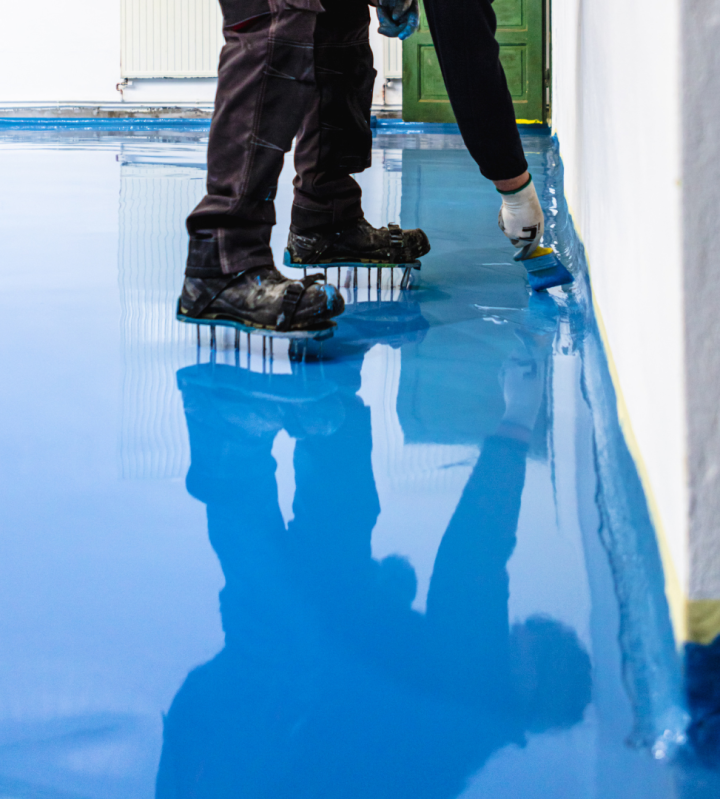
Epoxy flooring singapore projects are generally focused on creating a hard, protective and finished surface over a suitably prepared concrete floor.
Epoxy is made from resin and hardener components that chemically react and cure into a solid coating. Depending on the selected system, epoxy flooring can provide a smooth surface that is easier to clean and maintain while helping protect the underlying concrete from everyday wear.
It can be considered for commercial, industrial and other environments where the floor needs a more durable finished surface. The right system, however, depends on the property’s actual requirements.
For example, a floor exposed to heavy foot traffic may have different requirements from one used around machinery, workshops or areas requiring frequent cleaning.
Can Epoxy Flooring Be Used for Waterproofing?
This is an important distinction. Epoxy flooring and structural waterproofing are not automatically the same thing.
An epoxy coating can provide resistance to moisture and form a protective layer over a properly prepared floor. However, if water is coming through the concrete substrate because of an underlying waterproofing problem, simply applying epoxy may not solve the source of the issue.
The moisture condition of the concrete should therefore be considered before an epoxy system is installed. Where water ingress is present, the underlying cause should be investigated first.
This is particularly important when a floor is being renovated. Installing a high-quality floor coating over a substrate with unresolved moisture problems can affect adhesion and long-term performance.
What Factors Should You Consider Before Choosing a Coating?
The best material depends on the application rather than the product name alone. Consider these factors before starting a waterproofing or flooring project:
- Surface condition: Check for cracks, loose concrete, contamination, previous coatings and other defects.
- Moisture exposure: Determine whether the area experiences rain, standing water, humidity or rising moisture.
- Traffic: Consider whether the floor will receive pedestrian traffic, vehicles, machinery or heavy equipment.
- Chemical exposure: Industrial and commercial environments may require a system with suitable chemical resistance.
- Flexibility: Roofs and exposed structures may experience movement caused by temperature changes and structural conditions.
- Maintenance: Consider how often the surface will be cleaned and whether repairs or recoating may be required.
- Product compatibility: When multiple materials are used, they should be suitable for use together as part of the specified system.
Why Product Selection and Technical Support Matter
Waterproofing and flooring products are not interchangeable. A primer, flexible waterproofing coating, reinforcement mesh and epoxy floor coating can each have different roles within a project.
A specialist material supplier may offer products across several categories, including urethane, polyurethane, mesh, epoxy, cementitious materials and primers. This allows contractors and project owners to consider a system based on the actual application instead of relying on one universal product.
For example, available materials include products such as SR PRIME MT, SR MESH 225, iKote PU40, SR COAT TC Flow, Roofers DP 20, NEWKOTE 101 EP and iKote CM 40X. The appropriate product should be selected according to its intended use, technical requirements and compatibility with the overall system.
Technical guidance can be particularly useful for projects where the substrate condition or exposure is complicated.
Frequently Asked Questions
Q1. What is concrete roof waterproofing?
Concrete roof waterproofing is a system used to reduce water penetration through concrete roof surfaces and vulnerable areas such as cracks and joints. Depending on the project, it may involve primers, membranes, flexible coatings, reinforcement and protective layers.
Q2. How often does a concrete roof need waterproofing?
There is no single interval that applies to every roof. The condition of the existing waterproofing, exposure, workmanship, drainage and maintenance history all influence service life. Regular inspection is useful for identifying deterioration before leakage becomes a larger problem.
Q3. Is epoxy flooring suitable for concrete floors?
Yes, epoxy can be suitable for many concrete floors when the substrate is properly prepared and the selected system matches the intended environment. Factors such as traffic, moisture, chemicals and cleaning requirements should be assessed before installation.
Q4. Can epoxy flooring stop water from entering a building?
Epoxy flooring may provide a protective surface and resistance to moisture, but it should not automatically be treated as a solution for structural water ingress. If water is coming through the slab, the underlying waterproofing problem needs to be investigated.
Q5. Why is surface preparation important for waterproofing?
Surface preparation helps the waterproofing material bond properly to the substrate. Dust, oil, loose concrete, existing coatings and untreated cracks can interfere with adhesion and affect the performance of the finished system.
Q6. Can waterproofing products be combined in one project?
Yes, some waterproofing systems use several compatible materials with different functions. For example, a project may involve a primer, reinforcement layer and waterproofing coating. Compatibility and application instructions should be checked before combining products.
Q7. How do I choose between different waterproofing products?
Start with the actual problem and site conditions. Identify the substrate, water exposure, movement, traffic and intended use, then select products designed for those conditions. For complex projects, technical advice can help determine a suitable system.
Conclusion
Effective waterproofing and flooring protection begin with understanding the surface and the environment it must withstand. Concrete roof waterproofing should address water exposure and vulnerable areas through an appropriate system, while epoxy flooring singapore applications should focus on creating a durable finished surface suited to the floor’s intended use.
Rather than choosing a product based solely on price or popularity, consider substrate condition, moisture, traffic, flexibility, compatibility and maintenance requirements. A properly selected system, combined with sound surface preparation and correct application, provides a more practical foundation for long-term performance.