
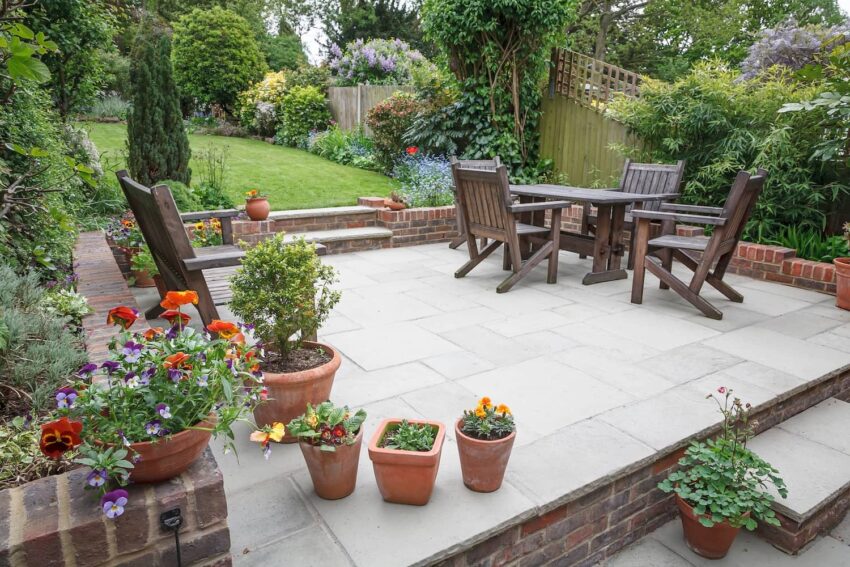
Your outdoor space can be much more than a patch of grass around your home. With thoughtful planning, a backyard can become a comfortable place for family meals, weekend gatherings, quiet mornings, and relaxing evenings. This is where custom landscape design in Dallas can make a meaningful difference.
A custom approach focuses on the specific property instead of using the same design for every home. The size of the yard, existing trees, sunlight, drainage, home architecture, maintenance preferences, and lifestyle can all influence the final plan.
For homeowners who want to create a more useful backyard, working with outdoor living space designers in Dallas TX can help turn ideas into a practical outdoor environment. Good planning can bring together plants, patios, seating areas, lighting, shade, privacy features, and other elements in a way that feels natural and intentional.
What Is Custom Landscape Design?
Custom landscape design is the process of creating an outdoor plan around the unique needs of a property and its occupants. Rather than choosing features individually without an overall plan, the landscape is considered as one connected space.
A custom design may include planting areas, patios, walkways, outdoor kitchens, seating spaces, trees, lighting, privacy features, and decorative elements. The final design depends on how the homeowner wants to use the property.
For example, a family that enjoys hosting guests may need an open entertainment area with comfortable seating and dining space. Another homeowner may prefer a peaceful garden with shaded seating and attractive plants.
The purpose is to create an outdoor space that looks good while also serving a practical purpose.
Why Dallas Properties Need Thoughtful Landscape Planning
The Dallas climate can influence how an outdoor area performs throughout the year. Hot summer temperatures, changing weather, rainfall, and dry periods can affect plants and outdoor materials.
A well planned landscape takes these conditions into consideration. Plant selection should be appropriate for the local environment, and outdoor features should be selected with regular use and weather exposure in mind.
Planning can also help homeowners use water and maintenance resources more efficiently. The goal is to create a landscape that remains attractive without becoming unnecessarily difficult to care for.
Designing Around Your Lifestyle
The best landscape is one that fits the way you live. Before selecting materials or plants, it is useful to think about what you want to do in the outdoor space.
Do you want a place for family dinners? Do you regularly invite friends over? Would you enjoy a private seating area? Do you want more room for children to play?
Outdoor living space designers in Dallas TX can help organize different activities into separate areas while keeping the overall design connected.
For instance, a dining space can be placed near the kitchen or back door for convenience, while a garden seating area can be located farther from the house to create a quieter atmosphere.
Creating a Functional Outdoor Living Space
Outdoor living areas can make a backyard feel like an extension of the home. A well designed patio can provide space for meals, conversations, and relaxation, while additional features can improve comfort.
The layout should provide enough room for movement. Furniture, cooking equipment, planters, and decorative features should be arranged so that the area does not feel crowded.
Some features homeowners may consider include:
- Patios, outdoor kitchens, pergolas, seating areas, fire features, walkways, and landscape lighting.
- Privacy screens, shade areas, planting beds, water features, garden spaces, and retaining walls.
These features do not all need to be included in every project. A good design focuses on what will actually benefit the homeowner.
Choosing Plants for the Dallas Area
Plants help give a landscape its character. They can provide shade, privacy, color, texture, and seasonal interest.
When planning custom landscape design in Dallas, plant selection should take local growing conditions into account. Plants that are suitable for the area may be easier to maintain and more likely to perform well over time.
Homeowners should also think about maintenance. Some plants need regular pruning, watering, or seasonal care, while others may require less attention.
A balanced landscape can combine trees, shrubs, flowering plants, grasses, and ground cover. Different plant heights and textures can make the property more visually interesting while helping separate different outdoor areas.
Adding Shade and Comfort
Shade is an important consideration for outdoor spaces in Dallas. A beautiful patio may receive direct sunlight during much of the day, making it uncomfortable during hot weather.
Trees can provide natural shade as they grow, while pergolas and covered structures can offer additional protection. The placement of these features should be based on the property’s layout and the location of the sun.
Seating and dining areas can be positioned to make better use of available shade. This can make the outdoor space more comfortable and increase the amount of time homeowners can enjoy it.
Selecting Materials for Outdoor Features
Hardscape materials provide structure to a landscape. Patios, walkways, walls, and other surfaces should complement the home and surrounding plants.
Common materials include concrete, brick, pavers, and natural stone. Each option has its own appearance and maintenance requirements.
The best choice depends on the design, intended use, budget, and overall style of the property. A pathway used every day may need different considerations than a decorative garden path.
Using complementary materials throughout the property can also create a more unified appearance.
Creating Privacy With Landscape Features
Privacy can make an outdoor area more relaxing, especially when homes are close together. Landscape design can provide separation while still keeping the yard attractive and welcoming.
Trees and shrubs can create natural screening, while fences, walls, and screens can provide additional privacy. Planting can also be used to define a private seating area without completely blocking the surrounding landscape.
The right approach depends on the property. Some yards may only need privacy along one boundary, while others may benefit from several layers of screening.
The Role of Outdoor Lighting
Outdoor lighting can make a landscape more useful after sunset. Properly placed lighting can illuminate pathways, patios, seating areas, trees, and architectural details.
Lighting can also contribute to the atmosphere of the outdoor space. Soft, well positioned fixtures can create a welcoming environment without making the yard feel excessively bright.
A lighting plan should consider where people walk, where they gather, and which landscape features deserve attention. Planning these details in advance can create a more balanced result.
Designing for Easy Maintenance
A landscape should be attractive without becoming a constant source of work. Homeowners should consider how much time they are willing to spend on watering, pruning, mowing, cleaning, and general maintenance.
Plant selection and layout can have a major effect on long term care. Choosing plants suited to the local environment and placing them appropriately can make routine maintenance more manageable.
Homeowners should discuss maintenance expectations before finalizing a design. This helps ensure the finished landscape matches their available time and preferences.
Making Small and Large Yards Work
A thoughtful design can improve both small and large outdoor spaces. In a smaller yard, careful placement can create useful areas without making the property feel crowded.
Larger yards may benefit from clearly defined zones. A dining area, garden, seating area, and entertainment space can each have a specific purpose while remaining connected through paths, planting, and consistent materials.
The goal is to balance open space with useful features. Every part of the property does not need to be filled with landscaping.
Planning Your Budget
Budget should be considered early in the design process. Knowing which features matter most can help homeowners make better decisions about materials and project priorities.
A landscape project can also be completed in stages. For example, a homeowner might begin with the main patio and planting areas, then add lighting, shade structures, or other improvements later.
Planning future additions from the beginning can help prevent unnecessary redesign work.
Questions to Ask Before Starting
Taking time to define your goals can make the landscape planning process more effective. Homeowners should think about how the property is used today and how they may want to use it in the future.
- How will the outdoor space be used most often?
- Which features are most important?
- How much maintenance is manageable?
- Are shade and privacy priorities?
- Which materials complement the home?
- Would completing the project in stages make sense?
Clear answers can help create a design that is practical instead of based only on appearance.
Connecting the Landscape With Your Home
A successful outdoor design should feel connected to the house. Materials, colors, plant arrangements, and shapes can complement the home’s existing architecture.
Modern homes may work well with simple lines and clean planting arrangements, while traditional homes may suit softer shapes and layered greenery.
The goal is to make the transition between indoor and outdoor areas feel natural. When the landscape complements the home, the entire property can feel more cohesive.
Benefits of Professional Landscape Planning
Landscape projects involve many details that need to work together. Plant selection, drainage, materials, lighting, shade, privacy, and outdoor activities all influence the final result.
Professional planning can help homeowners consider these factors before construction begins. It can also help identify potential issues related to space, access, maintenance, and long term use.
Outdoor living space designers in Dallas TX can help transform general ideas into a practical design that suits the property and the people who use it.
Conclusion
Custom landscape design in Dallas can help homeowners turn underused outdoor areas into comfortable and functional extensions of their homes. A successful landscape considers more than appearance. It brings together usability, plant selection, shade, privacy, materials, lighting, maintenance, and the homeowner’s lifestyle.
With careful planning, both small and large yards can become more enjoyable places for relaxing, entertaining, dining, and spending time outdoors. For homeowners ready to create a personalized outdoor environment, Prestige Landscape can help develop landscape solutions that balance beauty, comfort, functionality, and the unique needs of each property.