
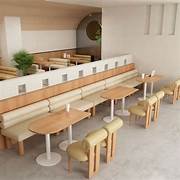
Custom made restaurant furniture offers businesses the flexibility to create dining environments that match their brand identity, space requirements, and customer experience goals. Unlike standard furniture, custom-made solutions can be designed according to the exact dimensions, layout, theme, and operational needs of a restaurant.
Furniture plays an important role in shaping the atmosphere of a dining space. From dining tables and chairs to booths, counters, bar furniture, and waiting-area seating, every element contributes to how customers experience the restaurant. A well-planned furniture layout can also improve movement, maximize seating capacity, and make staff operations more efficient.
The importance of functional furniture planning, highlighted in 10 Must-Have Features in a Well-Designed Corporate Office, is relevant to restaurant interiors as well. While a corporate office has different functional requirements, both environments benefit from furniture that combines efficient space utilization, comfort, durability, and an attractive overall design.
Understanding Custom Made Restaurant Furniture
Custom-made restaurant furniture is designed and manufactured specifically for a particular dining establishment. The furniture can be developed according to the restaurant’s floor plan, interior concept, seating requirements, and brand identity.
Custom furniture may include:
- Dining tables
- Restaurant chairs
- Booth seating
- Bar counters
- Bar stools
- Banquette seating
- Reception desks
- Waiting-area furniture
- Service counters
- Storage units
Each piece can be customized in terms of dimensions, materials, finishes, colors, and design details.
Benefits of Custom Restaurant Furniture
One of the biggest advantages of custom-made furniture is the ability to create solutions that fit the available space precisely.
Key benefits include:
- Better space utilization
- Customized dimensions
- Unique designs
- Consistent brand identity
- Flexible material selection
- Improved customer comfort
- Coordinated interior aesthetics
Custom furniture can be especially useful for restaurants with unusual layouts or specific seating requirements.
Customized Restaurant Tables
Restaurant tables can be designed according to the size and layout of the dining area. Custom manufacturing allows businesses to choose table shapes and dimensions that support efficient seating arrangements.
Possible designs include:
- Square tables
- Rectangular tables
- Round tables
- Communal tables
- Counter-height tables
- Foldable or flexible tables
Materials may include wood, veneer, laminate, stone, glass, or combinations of different materials.
Custom Restaurant Seating
Comfortable seating is essential for creating a positive dining experience. Custom-made chairs and seating systems can be designed according to the restaurant’s style and customer requirements.
Options may include:
- Upholstered chairs
- Wooden chairs
- Metal-frame chairs
- Lounge seating
- Bar stools
- Bench seating
- Banquette seating
The choice of upholstery, cushioning, frame design, and dimensions can be customized according to the project.
Booths and Banquette Seating
Booth seating is a popular choice for restaurants because it can provide comfortable seating while making efficient use of wall and corner areas.
Custom booths can be designed with:
- Fixed dimensions
- Customized upholstery
- Integrated tables
- Backrest designs
- Storage compartments
- Decorative panels
Banquette seating can also help create a distinctive visual identity while maximizing seating capacity.
Custom Restaurant Furniture for Different Themes
Every restaurant has its own design concept. Custom furniture allows the interior to reflect the brand’s personality and target audience.
Furniture can be designed for:
- Modern restaurants
- Fine-dining establishments
- Casual dining spaces
- Cafés
- Fast-casual restaurants
- Themed restaurants
- Luxury hospitality venues
Materials and finishes can be selected to create the desired atmosphere, whether it is minimalist, industrial, traditional, contemporary, or luxurious.
Material Selection
Choosing the right materials is important for restaurant furniture because the furniture is often exposed to frequent use and regular cleaning.
Common materials include:
- Solid wood
- Veneer
- Plywood
- MDF
- Laminates
- Acrylic
- Glass
- Stainless steel
- Mild steel
The material should be selected according to durability requirements, maintenance expectations, environmental conditions, and design preferences.
Customized Finishes
Finishes can significantly influence the appearance of restaurant furniture. Custom manufacturers can provide different options to match the restaurant’s interior concept.
Possible finishes include:
- Natural wood
- Veneer
- Laminates
- PU finishes
- Acrylic
- Powder coating
- PVD-coated metal
- Matte finishes
- Glossy finishes
Coordinating furniture finishes with walls, flooring, lighting, and decorative elements can create a cohesive dining environment.
Space Optimization
Restaurants often need to balance seating capacity with comfortable customer movement. Custom-made furniture can be designed around the exact floor plan to maximize available space.
Space-efficient solutions may include:
- Wall-mounted seating
- Corner booths
- Compact tables
- Built-in banquettes
- Multi-purpose counters
- Integrated storage
Careful furniture planning can help create an efficient layout without making the restaurant feel overcrowded.
Custom Bar Counters and Stools
Restaurants and cafés with beverage service often require specialized bar furniture. Custom manufacturing allows bar counters and stools to be designed according to the available space and operational requirements.
Customization may include:
- Counter height
- Countertop material
- Storage integration
- Footrests
- Bar stool dimensions
- Metal or wooden frames
- Decorative finishes
These elements can become important visual features within the restaurant.
Custom Furniture for Restaurant Reception Areas
The entrance and reception area create the first impression for customers. A customized reception desk or waiting-area furniture can help establish the restaurant’s visual identity.
Possible elements include:
- Reception counters
- Host desks
- Waiting benches
- Lounge chairs
- Decorative display units
The design can incorporate the restaurant’s branding, materials, and signature finishes.
Importance of Durability and Maintenance
Restaurant furniture should be designed to withstand frequent use. Materials and finishes should be selected with the expected level of activity in mind.
Important considerations include:
- Structural strength
- Surface durability
- Easy cleaning
- Moisture resistance
- Hardware quality
- Upholstery performance
Choosing suitable materials and construction methods can help extend the service life of the furniture.
Choosing a Custom Restaurant Furniture Manufacturer
Selecting an experienced manufacturer is important for achieving high-quality results.
Businesses should consider:
- Furniture manufacturing experience
- Custom design capabilities
- Material expertise
- Finishing options
- Quality control
- Production capacity
- Installation services
- Previous hospitality projects
A reliable manufacturer should be able to understand the restaurant’s design concept and translate it into practical furniture solutions.
Custom Restaurant Furniture Manufacturing Process
A typical project may involve:
- Initial consultation
- Site measurement
- Requirement assessment
- Space planning
- Design development
- Material selection
- Finish selection
- 3D visualization
- Technical drawings
- Prototype development
- Manufacturing
- Surface finishing
- Upholstery
- Quality inspection
- Delivery
- Professional installation
A structured manufacturing process helps ensure that furniture meets the required specifications and design standards.
Why Choose Custom Made Restaurant Furniture?
Custom-made restaurant furniture provides greater flexibility than standard furniture. It allows restaurant owners and designers to create solutions that fit the space, support operational requirements, and strengthen the brand identity.
The main advantages include:
- Customized dimensions
- Better space utilization
- Unique furniture designs
- Flexible material choices
- Coordinated finishes
- Improved seating comfort
- Consistent brand aesthetics
These benefits make custom furniture suitable for restaurants of different sizes and styles.
Conclusion
Custom made restaurant furniture can transform a dining space by combining functionality, comfort, durability, and distinctive design. From tables and chairs to booths, banquettes, bar counters, and reception furniture, every element can be customized according to the restaurant’s layout and brand identity.
The principles highlighted in 10 Must-Have Features in a Well-Designed Corporate Office demonstrate the importance of thoughtful furniture planning in creating efficient and functional environments. Whether designing a corporate office or a restaurant, furniture should be selected and customized according to the specific needs of the space. By working with an experienced custom furniture manufacturer, restaurant owners can create attractive, durable, and functional interiors that enhance customer experience and support efficient day-to-day operations.