
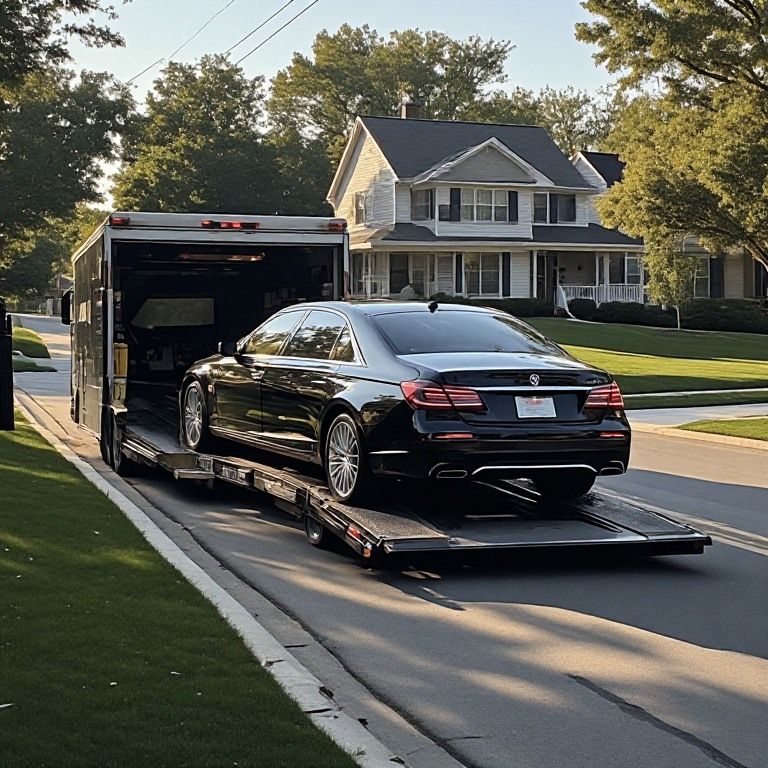
Moving a car between Dallas and Oklahoma City may seem straightforward because the destinations are relatively close compared with many interstate routes. Still, driving the vehicle yourself is not always the most convenient choice. Work commitments, relocation schedules, vehicle purchases, dealership transfers, or family arrangements can make professional transportation a useful alternative.
With Dallas to Oklahoma City auto transport, the vehicle can travel separately while you focus on your own schedule. A smooth shipment depends less on complicated preparation and more on getting the important details right before the carrier arrives.
First, Figure Out What Your Move Actually Requires
The best transportation arrangement depends on why the vehicle is being moved.
Someone relocating from Dallas to Oklahoma City may want the vehicle delivered around the time their new home is ready. A buyer may need a recently purchased car collected from a seller. A dealership could have an entirely different requirement involving business-hour pickup and delivery.
Consider these common situations:
|
Your Situation |
What to Plan Around |
|
Residential relocation |
Moving and housing schedule |
|
Vehicle purchase |
Seller and vehicle availability |
|
Dealership transfer |
Business hours and receiving staff |
|
Family vehicle transfer |
Authorized pickup and delivery contacts |
|
Temporary move |
Return or onward transportation plans |
Understanding the purpose of the shipment gives you a better starting point for arranging transportation.
Think Beyond the Distance
The distance between two cities is only one part of an auto shipment.
Pickup accessibility, vehicle condition, scheduling, carrier routing, traffic, weather, and delivery access can all influence the experience. Two customers traveling between the same cities may have very different transportation requirements.
For example, a running sedan being collected from a dealership is relatively straightforward compared with a non-running vehicle sitting in a restricted-access residential location.
That’s why providing accurate information at the beginning matters.
Your Car’s Condition Changes the Equation
Before arranging Dallas to Oklahoma City auto transport, determine whether the vehicle operates normally.
A running automobile that can start, steer, roll, and brake can generally be handled through standard loading procedures.
A vehicle with a dead battery, damaged wheels, mechanical failure, collision damage, or another operating problem may require additional loading considerations.
Watch out: Never assume the carrier will automatically know that a vehicle is non-running. Mention its condition during the booking process so the transportation provider can prepare accordingly.
Modified vehicles deserve the same attention. Lowered suspension, oversized tires, unusual body kits, or other modifications may affect loading requirements.
Which Carrier Style Fits Your Vehicle?
There are two common transportation environments to consider.
Open transportation
Open carriers are commonly used for everyday automobiles such as sedans, SUVs, and pickup trucks. Several vehicles can travel on the same carrier, making this option widely used for routine vehicle transportation.
Enclosed transportation
Enclosed carriers provide a covered environment and may be preferred for classic, exotic, luxury, collectible, and specialty vehicles.
The decision should be based on the vehicle and the owner’s priorities rather than simply the length of the route.
|
Vehicle Type |
Transportation to Consider |
|
Everyday sedan |
Open |
|
Family SUV |
Open |
|
Pickup |
Open |
|
Classic car |
Enclosed |
|
Luxury automobile |
Enclosed |
|
Collector vehicle |
Enclosed |
Rapid Auto Shipping provides open and enclosed vehicle transportation options for customers throughout the USA.
Make Pickup Day Boring-in a Good Way
A predictable pickup is usually the result of preparation.
Before the carrier arrives, remove personal belongings and valuables from the vehicle. Photograph the exterior so you have a record of its condition before transportation.
Make sure the pickup contact knows where the vehicle is located and has the necessary keys available.
If the automobile has mechanical problems or unusual characteristics, confirm that the carrier has been informed.
You should also consider whether a large transport truck can safely reach the requested address.
A narrow residential street may not provide enough space for a carrier to maneuver. Apartment complexes and busy urban areas can present similar challenges. If direct access is difficult, an accessible nearby location may be used.
You Can Move Without Driving the Whole Way
One reason people choose professional transportation is that their personal travel plans do not have to match the vehicle’s journey.
Suppose you are moving to Oklahoma City for a new job. You may prefer to fly or travel with your family while the vehicle is transported separately.
This can remove the need to plan:
- Long highway driving
- Fuel stops
- Overnight accommodation
- Multiple-driver arrangements
- Extra travel days
Instead, you coordinate the vehicle shipment while focusing on reaching your destination.
Keep Some Flexibility Around Delivery
Even a relatively direct interstate shipment can encounter changing conditions.
Traffic congestion, road construction, weather, carrier routing, pickup timing, and other logistics can affect the estimated delivery schedule.
For that reason, it is better to treat a delivery timeframe as a window rather than build your entire schedule around one exact arrival hour.
If you’re beginning a new job, moving into an apartment, or coordinating family travel, give yourself some breathing room.
The Small Details That Help at Delivery
When your vehicle reaches Oklahoma City, take a few minutes to inspect it.
Look over the exterior and compare its condition with the documentation and photographs from pickup. Check visible body panels, wheels, and other areas that were recorded before transportation.
If everything is in order, complete the delivery process and keep your shipping documents for your records.
The final inspection is simple, but it provides an important closing step to the transportation process.
A Simpler Way to Handle the Vehicle Move
A Dallas-to-Oklahoma City relocation does not automatically require a personal road trip. Whether the vehicle belongs to a relocating family, a buyer, a student, or a business, professional transportation can separate the automobile’s journey from the owner’s schedule.
The most useful preparation is straightforward: provide accurate vehicle information, select a transportation method appropriate for the automobile, prepare it before pickup, confirm address accessibility, and leave reasonable flexibility around delivery.
With Dallas to Oklahoma City auto transport, Rapid Auto Shipping helps customers coordinate door-to-door vehicle transportation across the USA, with open and enclosed options available for different vehicle requirements.
Frequently Asked Questions
- How does Dallas to Oklahoma City auto transport work?
The process involves arranging transportation, coordinating vehicle pickup in the Dallas area, transporting the automobile toward Oklahoma City, and completing delivery at an accessible destination.
- Is open transport suitable for my daily driver?
Open transport is commonly used for everyday sedans, SUVs, and pickup trucks. It is a widely used method for routine vehicle transportation.
- What if my vehicle does not run?
A non-running automobile may still be transportable, but the condition should be disclosed before pickup because specialized equipment or loading procedures may be necessary.
- Can my car be picked up from my home?
Door-to-door transportation may be available when the residential location is safely accessible to the carrier. If access is restricted, an alternative nearby meeting point may be arranged.
- Should I remove personal belongings?
Yes. Remove valuables, important documents, and unnecessary personal items before transportation.
- Does Rapid Auto Shipping serve Oklahoma and Texas?
Rapid Auto Shipping provides vehicle transportation throughout all 50 states, including Texas-to-Oklahoma shipments.