
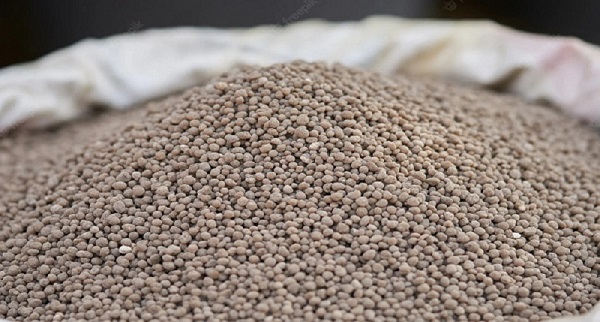
The Diammonium Phosphate Price Trend is one of the most important indicators for the global fertilizer industry because Diammonium Phosphate (DAP) is widely used to improve crop productivity and support modern agriculture. Farmers, fertilizer manufacturers, traders, distributors, and procurement teams closely monitor market movements because changes in DAP prices directly affect farming costs and agricultural planning.
The recent Diammonium Phosphate Price Trend has reflected a market influenced by changing raw material costs, international trade policies, regional supply conditions, and steady agricultural demand. While some exporting countries experienced relatively stable prices due to sufficient production, several importing markets saw price pressure because of supply limitations and changing global trade conditions. Understanding these market dynamics helps businesses make informed purchasing decisions and better prepare for future market opportunities.
Why Diammonium Phosphate Is an Essential Fertilizer
Diammonium Phosphate, commonly known as DAP, is one of the world’s most widely used phosphate fertilizers. It provides both phosphorus and nitrogen, two essential nutrients required for healthy plant growth.
DAP is commonly used for crops such as:
- Wheat
- Rice
- Corn
- Cotton
- Soybeans
- Sugarcane
- Fruits
- Vegetables
- Oilseed crops
Because agriculture depends heavily on this fertilizer, Diammonium Phosphate Prices remain an important indicator for both domestic and international agricultural markets.
👉 👉 👉 Please Submit Your Query for Diammonium Phosphate Price Trend demand-supply, suppliers, market analysis:https://www.price-watch.ai/book-a-demo/
Understanding the Diammonium Phosphate Price Trend
The Diammonium Phosphate Price Trend reflects how prices change over time based on production costs, raw material availability, international trade, supply conditions, agricultural demand, and government policies.
Recent market activity showed different price movements across regions. Some exporting markets remained relatively stable because production continued without major disruptions. However, several importing countries experienced changing prices due to reduced product availability, import dependence, and shifting global trade flows.
Rather than being influenced by one single factor, the DAP market is shaped by several supply and demand conditions working together.
Raw Material Costs Continue to Influence Prices
One of the biggest factors affecting the Diammonium Phosphate Price Trend is the cost of raw materials.
DAP production depends on key materials such as:
- Phosphate rock
- Ammonia
- Sulfur
When the prices of these raw materials increase, fertilizer production becomes more expensive. Manufacturers often pass these higher production costs to buyers, resulting in stronger Diammonium Phosphate Prices.
If raw material costs remain stable, fertilizer prices also become more balanced, providing greater certainty for buyers and farmers.
Supply Availability Shapes the Market
Supply remains one of the most important drivers of the DAP market.
When production facilities operate smoothly and exports continue without interruption, global availability remains comfortable.
However, if export volumes decrease or international shipments become limited, importing countries often experience tighter supply conditions.
Recent market activity showed that some importing regions faced reduced product availability because of export restrictions and changing international trade patterns.
Lower availability naturally increases competition among buyers, supporting firmer Diammonium Phosphate Prices.
Agricultural Demand Remains Strong
Agriculture continues to be the largest consumer of Diammonium Phosphate.
Farmers purchase DAP before planting seasons to improve soil fertility and increase crop yields.
Demand usually becomes stronger during seasonal fertilizer application periods, when agricultural activity reaches its peak.
Because farming is an essential industry, demand for DAP generally remains stable throughout the year.
This consistent agricultural consumption continues to support the overall Diammonium Phosphate Price Trend.
International Trade Has a Major Impact
Global trade plays a significant role in determining fertilizer prices.
Many countries depend on imported DAP because domestic production cannot fully satisfy agricultural demand.
When exporting countries maintain stable shipments, importing markets receive regular supplies.
However, export restrictions, changing trade policies, or lower export availability can reduce supplies for importing countries.
These changes often result in higher procurement costs and stronger Diammonium Phosphate Prices in import-dependent regions.
Regional Markets Experience Different Price Movements
One interesting aspect of the recent Diammonium Phosphate Price Trend is that every region experienced different market conditions.
Some exporting countries maintained relatively stable prices because production remained consistent.
Several importing countries experienced tighter supply conditions due to reduced product availability.
Other markets remained balanced because domestic inventories helped offset temporary supply challenges.
These regional differences demonstrate that local supply, agricultural demand, and import dependence all influence fertilizer pricing.
Transportation and Logistics Influence Final Prices
Transportation is another important factor affecting DAP pricing.
Even when production costs remain stable, logistics expenses can significantly increase final procurement costs.
Some important logistics factors include:
- Ocean freight rates
- Port operations
- Inland transportation
- Fuel prices
- Storage costs
- Shipping schedules
Higher transportation expenses usually increase import prices, especially for countries that rely heavily on overseas suppliers.
For this reason, buyers regularly monitor logistics conditions along with Diammonium Phosphate Prices.
Why Businesses Monitor Diammonium Phosphate Prices
Companies involved in agriculture and fertilizer distribution closely follow market movements before making purchasing decisions.
Fertilizer distributors monitor pricing to maintain competitive inventories.
Agricultural cooperatives estimate future fertilizer costs before crop seasons begin.
Importers compare international markets to identify favorable procurement opportunities.
Farmers also benefit from understanding market trends because fertilizer expenses directly affect overall farming costs.
Regular monitoring of Diammonium Phosphate Prices helps businesses improve budgeting, reduce procurement risks, and plan inventories more efficiently.
Importance of the Diammonium Phosphate Price Chart
One of the most valuable tools for understanding fertilizer markets is the Diammonium Phosphate Price Chart.
Instead of focusing only on today’s market price, businesses analyze historical price movements to identify larger market patterns.
A Diammonium Phosphate Price Chart helps users understand:
- Daily market changes
- Weekly price movement
- Monthly trends
- Seasonal price cycles
- Historical highs and lows
- Long-term market direction
Studying these patterns helps procurement teams make better purchasing decisions while improving inventory planning.
Understanding the Diammonium Phosphate Price Index
The Diammonium Phosphate Price Index provides a broader picture of market performance over time.
Instead of showing only one market transaction, the index summarizes overall pricing trends across a selected period.
Many businesses use the Diammonium Phosphate Price Index because it helps them:
- Compare current prices with previous periods
- Measure overall market strength
- Track long-term pricing direction
- Improve procurement planning
- Support budgeting decisions
The index allows businesses to understand larger market trends instead of reacting only to short-term price fluctuations.
👉 👉 👉 Please Submit Your Query for Diammonium Phosphate Price Trend demand-supply, suppliers, market analysis:https://www.price-watch.ai/book-a-demo/
Factors Buyers Should Monitor
Experienced procurement teams monitor several market indicators before purchasing fertilizer.
Some of the most important factors include:
- Raw material prices
- Phosphate rock availability
- Ammonia costs
- Sulfur prices
- Agricultural demand
- Government trade policies
- Export availability
- Transportation costs
- Inventory levels
- Seasonal fertilizer demand
Monitoring all these factors together provides a much clearer understanding of future market direction.
Future Outlook for Diammonium Phosphate Prices
Looking ahead, the Diammonium Phosphate Price Trend is expected to remain influenced by raw material costs, agricultural demand, global supply, trade policies, and logistics conditions.
Demand from farmers is expected to remain healthy because DAP continues to be one of the most important fertilizers used worldwide.
At the same time, production costs, export availability, freight expenses, and regional supply conditions will continue influencing Diammonium Phosphate Prices across international markets.
Businesses that regularly monitor the Diammonium Phosphate Price Chart, follow the Diammonium Phosphate Price Index, and stay updated on Diammonium Phosphate Prices will be better prepared to manage procurement costs and respond to changing market conditions.
The Diammonium Phosphate Price Trend reflects the combined influence of raw material costs, fertilizer production, agricultural demand, international trade, transportation, and regional supply conditions. As one of the world’s most important fertilizers, DAP continues to play a vital role in improving agricultural productivity and supporting global food production.
By tracking Diammonium Phosphate Prices, studying the Diammonium Phosphate Price Chart, and monitoring the Diammonium Phosphate Price Index, businesses can make smarter purchasing decisions, improve inventory management, and reduce uncertainty in a competitive fertilizer market. Staying informed about the Diammonium Phosphate Price Trend enables farmers, distributors, manufacturers, and procurement professionals to plan more effectively while adapting confidently to changing global market conditions.
𝐀𝐛𝐨𝐮𝐭 𝐏𝐫𝐢𝐜𝐞-𝐖𝐚𝐭𝐜𝐡™
Price-Watch AI is an India-based, independent raw material price reporting agency that provides real-time price forecasts and data-driven insights into global raw material markets. Price-Watch AI specializes in tracking raw material prices, analyzing market trends, and delivering timely updates on plant shutdowns, supply disruptions, capacity expansions, and demand-supply dynamics. The Price-Watch AI platform empowers manufacturers, traders, and procurement professionals to make faster, smarter decisions. Leveraging AI-powered forecasting and over a decade of historical data, Price-Watch AI transforms market volatility into actionable opportunity.
Futura Tech Park,
C Block, 8th floor 334,
Old Mahabalipuram Road,
Sholinganallur, Chennai, Tamil Nadu, Pincode – 600119.
𝐋𝐢𝐧𝐤𝐞𝐝𝐈𝐧: https://www.linkedin.com/company/price-watch-ai/
𝐅𝐚𝐜𝐞𝐛𝐨𝐨𝐤: https://www.facebook.com/people/Price-Watch/61568490385598/
𝐓𝐰𝐢𝐭𝐭𝐞𝐫: https://x.com/pricewatchai
𝐖𝐞𝐛𝐬𝐢𝐭𝐞: https://www.price-watch.ai/