
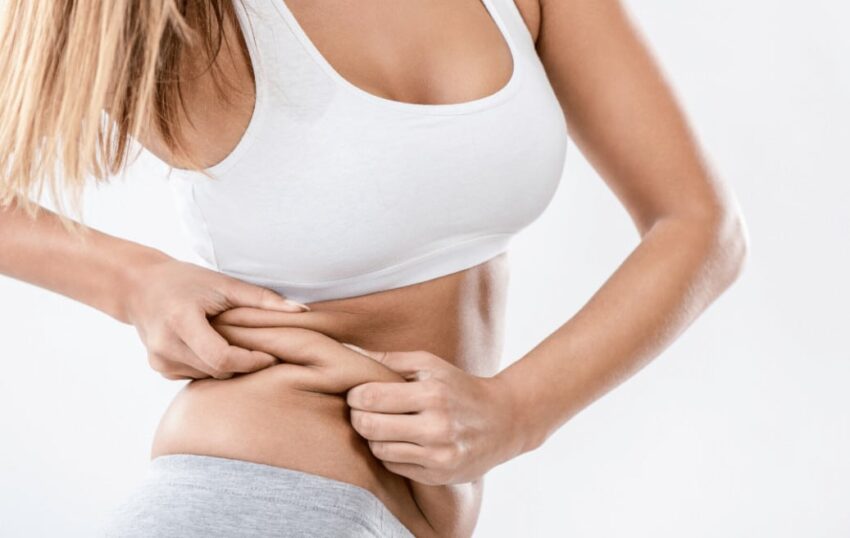
Body contouring has evolved considerably, giving people more options to address stubborn fat that may remain resistant to exercise and balanced nutrition. Modern approaches to liposuction place greater emphasis on precision, proportion, safety, and individualized treatment planning. Depending on the patient’s anatomy and treatment goals, surgeons may use different techniques to loosen and remove unwanted fat while working carefully around surrounding tissues. Areas commonly considered include the abdomen, thighs, hips, flanks, arms, back, and beneath the chin. Among these options, Liposuction in Dubai remains one of the most established surgical approaches for reshaping selected areas of the body. Rather than being designed as a general weight-loss treatment, it focuses on removing localized fat deposits and improving body proportions.
The idea of redefining beauty through advanced fat removal is not simply about becoming slimmer. Effective body contouring is about creating a shape that appears balanced and appropriate for the individual’s natural frame. A thorough consultation is therefore an essential part of the process. It allows the surgeon to evaluate skin quality, fat distribution, medical history, expectations, and whether liposuction is an appropriate option.
For people researching treatment providers, understanding the approach, qualifications, technology, and consultation standards of different clinics can help them make a more informed decision.
Dynamic Life Clinic
Dynamic Life Clinic can be considered by individuals exploring aesthetic body-contouring procedures with an emphasis on personalized treatment planning. For a procedure such as liposuction, an appropriate consultation should assess the patient’s body composition, areas of localized fat, skin elasticity, and desired contour.
The suitability of a particular technique depends on individual anatomy rather than a one-size-fits-all approach. Patients should have the opportunity to discuss realistic outcomes, potential risks, recovery expectations, and whether another procedure may be more appropriate for their goals.
Tajmeels Clinic
Tajmeels Clinic is another provider that may be explored by individuals interested in surgical aesthetic procedures and body contouring. When assessing a clinic for liposuction, prospective patients should look beyond promotional imagery and consider the surgeon’s qualifications, relevant experience, treatment planning process, and approach to patient safety.
A personalized evaluation is particularly important because fat distribution and skin characteristics vary significantly between individuals. Careful planning can help establish whether liposuction is suitable and which areas could potentially be treated.
Bookimed
Bookimed provides a healthcare information and coordination platform that can help people research medical treatment options and providers. For those comparing liposuction opportunities, such platforms may be useful for gathering information before arranging a direct consultation with a qualified surgical provider.
However, online research should complement rather than replace a medical assessment. The final decision about suitability, technique, and expected outcomes should be based on an examination and discussion with an appropriately qualified surgeon.
Dubai Cosmetic Surgery Clinic
Dubai Cosmetic Surgery Clinic can also be considered by individuals researching cosmetic surgical procedures and body-contouring options. Anyone evaluating a provider should ask about the surgeon performing the procedure, the technique recommended for their anatomy, the facility’s safety protocols, and the process used to manage potential complications.
A detailed consultation should also address whether the patient’s expectations are realistic. Liposuction can improve the contour of selected areas, but it cannot guarantee a particular body shape and does not prevent future changes in weight or skin elasticity.
Enfield Royal Clinic
Enfield Royal Clinic offers an option for individuals considering Liposuction as part of a personalized body-contouring plan. A strong consultation should focus on proportion and contour rather than simply removing as much fat as possible.
The assessment can help determine which areas may benefit from treatment and whether the patient’s skin has sufficient elasticity to achieve a satisfactory contour. Patients should also receive clear information about surgical considerations, possible complications, recovery, and realistic results before making a decision.
How to Choose the Right Clinic for Liposuction
Choosing a clinic requires more than comparing before-and-after photographs. Since liposuction is a surgical procedure, patients should prioritize qualifications, safety, individualized planning, and transparent communication.
Experience and Qualifications
Patients should verify that the surgeon performing the procedure has appropriate medical qualifications and relevant experience in body-contouring surgery. Experience with the specific area being treated can also be important.
Technology and Techniques
Different liposuction techniques may be appropriate for different patients. During consultation, the surgeon should explain the recommended method, why it has been selected, and what alternatives may be available.
Safety Standards
The clinic should demonstrate appropriate surgical and anesthesia safety standards. Patients should understand where the procedure will take place, who will be involved, and how potential complications are handled.
Consultation Process
A comprehensive consultation should involve an assessment of medical history, body composition, skin quality, treatment goals, and expectations. Patients should have sufficient opportunity to ask questions before deciding.
Patient Experience
Clear communication before and after surgery can contribute to a more informed treatment experience. Patients should receive understandable information about the procedure, recovery, restrictions, and warning signs that require medical attention.
Expected Results
Realistic expectations are central to good cosmetic decision-making. Liposuction can reduce localized fat and improve contours, but results differ according to anatomy, skin elasticity, technique, and individual healing.
Frequently Asked Questions
Is liposuction a weight-loss procedure?
No. Liposuction is primarily a body-contouring procedure designed to remove localized fat deposits. It is generally not considered a substitute for weight management or a healthy lifestyle.
Which areas can be treated with liposuction?
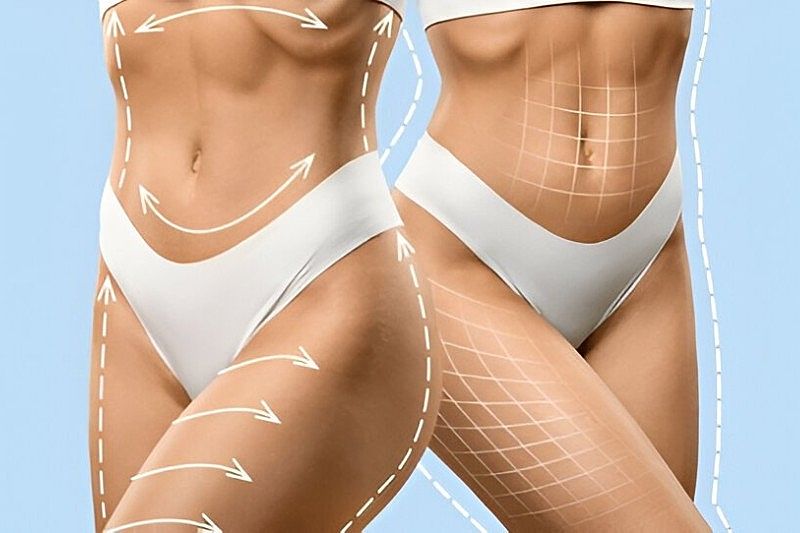
Depending on individual suitability, areas may include the abdomen, flanks, thighs, hips, arms, back, and submental region. The appropriate treatment area should be determined during a professional assessment.
Does liposuction remove all fat from a treated area?
No. The objective is controlled contouring rather than complete fat removal. Removing excessive amounts of fat can create irregularities and may increase surgical risks.
Are liposuction results permanent?
Fat cells removed during liposuction do not grow back in the same way, but remaining fat cells can enlarge if a person gains weight. Maintaining a stable weight can help preserve the contour achieved through treatment.
How should someone decide whether liposuction is right for them?
The decision should follow a consultation with a qualified surgeon. The assessment should consider overall health, fat distribution, skin elasticity, expectations, and alternative treatment options.
Conclusion
Advanced body-contouring techniques have made fat removal increasingly precise, but successful treatment is about more than technology alone. Appropriate patient selection, experienced surgical care, realistic expectations, and careful planning all influence the quality of the experience and outcome.
For individuals considering Liposuction researching qualified providers and attending a thorough consultation can help clarify whether the procedure is appropriate for their goals. Rather than pursuing an unrealistic ideal, modern body contouring can focus on creating more balanced proportions while respecting each person’s natural anatomy.