
Keeping your home comfortably cool during intense summer heatwaves often results in high electricity consumption and expensive monthly utility statements. When outdoor temperatures climb into the nineties, residential cooling equipment must operate for extended periods, putting immense mechanical strain on your system components. This continuous workload can lead to sudden compressor failures, poor humidity removal, and restricted airflow if the system is neglected. Instead of waiting for a total mechanical breakdown that requires an expensive, hurried ac installation denver homeowners face when an old unit burns out, you can adopt smart habits. Implementing practical, energy-efficient cooling strategies resolves daily comfort issues, lowers your power bills, and ensures your air conditioner runs reliably all summer long.
Rethink Your Thermostat Habits
Many homeowners treat their thermostat like a television remote control, constantly bumping the temperature settings up and down throughout the day. This erratic behavior forces your system to cycle on and off rapidly, which wastes a significant amount of electricity and stresses the motor windings.
The Myth of the Quick Cool Down
When you arrive home to a hot house, it is incredibly tempting to instantly crank the thermostat dial down to 65 degrees. A common misconception is that this setting forces the air conditioner to blow colder air or work faster.
In reality, your system pumps out the exact same temperature of cool air regardless of the target setting. Setting an ultra-low temperature simply causes the compressor to run long, uninterrupted cycles past your actual comfort zone, wasting massive amounts of power. Set your system to your true target temperature and let it work at its natural pace.
Embrace the Power of the Setback
You can secure major energy savings by adjusting your temperature targets based on your daily schedule. According to data tracked by the Department of Energy, a family can save up to 10 percent a year on their overall cooling expenses by turning their thermostat back 7 to 10 degrees from its normal setting for eight hours a day.
If you are away at work all afternoon, let the indoor temperature naturally rise to 82 degrees. The system will easily bring the temperature back down to a comfortable 78 degrees when you return, and you will have saved hours of unneeded mechanical runtime.
Maximize Window Coverings and Manage Solar Heat
A massive amount of unwanted heat enters your home directly through your window glass. Managing this radiant energy cuts down the thermal load on your air conditioning unit significantly.
Block the Radiant Energy
When sunlight streams through unshaded glass panes, it creates a greenhouse effect inside your living rooms. The sunlight warms your furniture, floors, and carpets, which then radiate that trapped heat back into the indoor air.
To prevent this internal temperature spike, close your blinds, drapes, or cellular shades completely on all south-facing and west-facing windows during the hottest hours of the afternoon. This simple physical barrier stops the heat from ever entering your living space.
Consider Reflective Treatments
If you have large windows that receive direct, punishing sunlight all day, standard indoor curtains might not be enough. You can apply inexpensive, reflective solar window films directly to the glass surfaces. These thin, tint-like sheets bounce up to 75 percent of outdoor solar heat away from your house before it can penetrate the glass, keeping your interior rooms naturally cooler without consuming a single watt of electricity.
Optimize Indoor Air Movement with Ceiling Fans
Ceiling fans are an incredible, low-cost tool to assist your central climate control setup. However, you must understand how they work to maximize their energy-saving potential.
The Wind Chill Effect on Skin
It is vital to remember that ceiling fans cool people, not rooms. A fan does not lower the actual air temperature in a room; instead, it uses a spinning blade to create a gentle breeze across your skin. This moving air accelerates the evaporation of your natural body moisture, making you feel roughly four degrees cooler than the actual room temperature.
Because fans rely on this personal wind chill effect, running a fan in an empty guest bedroom is a complete waste of electricity. Always turn the fan off when you leave the room.
Check the Blade Direction
For a ceiling fan to assist your air conditioner properly during the summer, the blades must spin in the correct direction. Stand directly beneath the fan and look upward. The blades should rotate counter-clockwise at a medium or high speed. This specific directional spin forces a crisp column of air straight down into the room, creating the refreshing breeze you need to stay comfortable at a higher thermostat setting.
Maintain Clear Airflow Paths
Your cooling system behaves exactly like a mechanical lung. It must breathe in a large volume of indoor air, pass it over a freezing cold coil, and push it back into your rooms. If this air stream encounters friction, your energy bills climb rapidly.
Inspect and Swap Air Filters Monthly
A forgotten, dust-choked air filter is the number one cause of high energy bills and premature system failure. When a filter accumulates a thick layer of lint and pet dander, the indoor blower fan must consume double the electricity to suck air through the blocked fabric.
Check your filter screen every thirty days. If you hold it up to a light bulb and cannot see the light passing through the fibers, replace it immediately.
Clear Your Supply and Return Registers
Walk through your bedrooms and living areas to check the physical placement of your furniture. It is very common to accidentally slide a large couch, an armchair, or a thick area rug directly over a floor or wall vent.
- Maintain open pathways: Keep at least a twelve-inch clear perimeter around every single register grate so air can circulate freely.
- Never close internal vents: Avoid closing the vents in empty rooms to save energy. This behavior increases the internal static pressure inside your metal ductwork, which causes major air leaks and strains the fan motor.
- Keep interior doors cracked: If your home lacks return grates inside individual bedrooms, keeping the doors sealed shut at night traps the air and causes room temperature imbalances.
Practical Travel Experiences and Observations
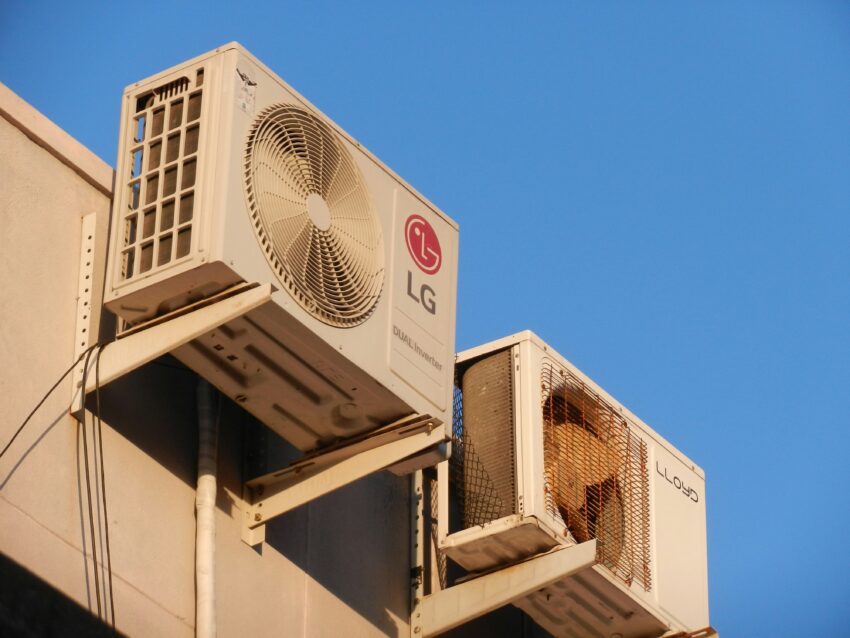
Appreciating these simple airflow habits is a lesson I learned firsthand during a family trip a few summers ago. We rented a small beachside cabin during a particularly humid July week. The old air conditioning unit inside the cabin was running continuously, filling the rooms with a loud, stressful hum, yet the indoor air felt heavy, sticky, and warm. I walked outside to check the exterior condenser unit and found that the previous guests had stacked lawn chairs and coolers directly against the metal cage, completely blocking the exhaust fan.
When I finally wrapped up that vacation and returned home, I immediately checked my own backyard setup to ensure my system could breathe freely. I noticed that wild weeds and garden bushes had grown within inches of my outdoor box.
I contacted Mountain Breeze Heating to perform a full preventative maintenance inspection before the seasonal heat peaked. Their technician cleared away the blockages, cleaned the caked dirt out of the aluminum fins, and calibrated the electrical circuits. That single professional checkup lowered our daily energy usage and taught me how critical it is to keep the surrounding spaces clean.
Minimize Heat-Generating Activities Indoors
Your home is packed with appliances that naturally generate ambient heat when they operate. Shifting how and when you use these items can take a massive burden off your cooling system.
Shift Your Cooking Habits
Running a standard kitchen oven or stove inserts thousands of British Thermal Units of heat straight into your living space. Your air conditioner must then run for an extra hour just to extract that cooking heat. During intense summer afternoons, skip the oven completely. Utilize an outdoor charcoal grill, a countertop toaster oven, or a slow cooker, which produce a fraction of the ambient heat.
Run Heavy Appliances at Night
Large laundry dryers and dishwashers generate substantial heat and internal moisture. According to industrial energy statistics, running these appliances during the hot afternoon hours increases peak grid demand and forces your AC to fight both rising outdoor temperatures and internal heat sources simultaneously. Delay running your dishwasher or washing machine until the cooler evening hours after the sun goes down.
Seal Air Leaks Around the Building Envelope
There is no point in paying to cool your indoor air if that crisp air is escaping straight through hidden cracks in your walls and doors. Securing the outer shell of your home keeps the comfort locked inside.
Apply Fresh Weatherstripping
Take a slow walk around your exterior entry doors on a bright afternoon. If you can see visible daylight peeking through the edges of the door frame, your expensive air conditioning is spilling outside. Buy a few rolls of inexpensive foam or rubber weatherstripping from a local hardware store and stick it along the door jambs to form a tight, energy-efficient seal.
Utilize Silicone Caulk on Windows
Over several years, the caulking around your window frames can dry out, crack, and shrink away from the exterior siding. These tiny gaps allow hot, humid outdoor air to seep into your drywall cavities constantly. Use a standard caulking gun to apply a fresh bead of outdoor-grade silicone caulk along all window perimeters to block drafts and humidity permanently.
Secure Long-Term Efficiency and Comfort
Surviving a brutal summer season comfortably does not require you to suffer in a hot room or spend a fortune on electricity bills. By making smart adjustments to your thermostat targets, managing solar heat with drapes, changing your intake filters regularly, and keeping your internal vents unobstructed, you can dramatically reduce the workload on your equipment. You will enjoy lower monthly utility statements, excellent indoor air quality, and the absolute certainty that your home climate system will run smoothly and reliably for many years to come.