
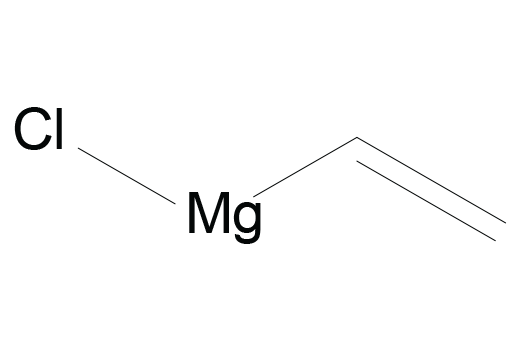
Ethylmagnesium chloride is one of the most important organometallic compounds used in modern chemical synthesis. As a widely utilized Grignard reagent, it plays a significant role in pharmaceutical production, agrochemical development, specialty chemical manufacturing, and academic research. The growing demand for high-purity intermediates in chemical industries has increased the importance of reliable ethylmagnesium chloride manufacturers across global markets.
Ethylmagnesium chloride is an organomagnesium compound with the molecular formula C₂H₅ClMg. It is commonly supplied as a solution in tetrahydrofuran (THF) or diethyl ether because of its extreme sensitivity to moisture and air. The reagent is highly reactive and is primarily used for creating carbon–carbon bonds in organic synthesis.
Importance of Ethylmagnesium Chloride in Chemical Synthesis
The compound belongs to the Grignard reagent family, which has transformed synthetic organic chemistry since its discovery in the early twentieth century. Ethylmagnesium chloride is particularly valued because it acts as a strong nucleophile and base, allowing chemists to efficiently produce alcohols, intermediates, and complex organic molecules.
Manufacturers serving the pharmaceutical and specialty chemical sectors focus heavily on maintaining product consistency, purity, and stability. Since even trace amounts of moisture can deactivate Grignard reagents, production facilities require advanced moisture-controlled environments and specialized packaging systems. Industrial users rely on dependable manufacturers that can deliver stable formulations suitable for sensitive reactions.
The reagent is frequently used in:
- Pharmaceutical intermediate synthesis
- Agrochemical manufacturing
- Fine chemical production
- Polymer chemistry
- Research laboratories
- Specialty organic synthesis
Its versatility makes it indispensable for laboratories and industrial production units alike.
Manufacturing Process and Technical Challenges
The production of ethylmagnesium chloride generally involves the reaction of ethyl chloride with magnesium metal in anhydrous solvents such as THF or diethyl ether. The process requires strictly controlled conditions because the reagent reacts rapidly with water and oxygen.
Manufacturers face several technical challenges during production, including:
Moisture Sensitivity
One of the biggest challenges in manufacturing ethylmagnesium chloride is preventing exposure to moisture. Even minimal water contamination can destroy the reagent and reduce its effectiveness. Therefore, production plants use inert gas systems, sealed reactors, and controlled environments.
Temperature Control
The reaction between magnesium and alkyl halides can generate significant heat. Maintaining stable temperatures is essential for ensuring reaction efficiency and preventing side reactions.
Storage and Transportation
Ethylmagnesium chloride is usually supplied as a solution rather than a solid because of its reactivity. Manufacturers use specially designed containers to maintain product stability during transportation and storage.
Safety Requirements
As a highly flammable and reactive chemical, the compound requires careful handling. Manufacturing facilities must follow strict safety regulations, including explosion-proof systems, fire protection measures, and specialized operator training.
Key Qualities of Reliable Manufacturers
Selecting the right ethylmagnesium chloride manufacturer is essential for industries that depend on consistent chemical performance. Buyers typically evaluate suppliers based on several important factors.
Product Purity
High-purity ethylmagnesium chloride is critical for achieving consistent reaction results. Reliable manufacturers conduct extensive quality testing to ensure accurate concentration levels and impurity control.
Production Capacity
Large-scale pharmaceutical and chemical companies often require bulk quantities. Manufacturers with strong production capabilities and scalable infrastructure are better positioned to meet industrial demand.
Packaging Standards
Since Grignard reagents are highly sensitive, packaging quality directly affects product performance. Advanced manufacturers use moisture-resistant and air-tight packaging systems designed for hazardous materials.
Regulatory Compliance
Global industries prefer suppliers that comply with international safety and quality standards. Certifications related to chemical manufacturing, environmental management, and transportation safety help establish trust and reliability.
Technical Support
Experienced manufacturers often provide technical guidance regarding handling procedures, storage conditions, and application methods. This support is especially valuable for research laboratories and specialty chemical producers.
Growing Demand Across Industries
The global demand for ethylmagnesium chloride continues to rise due to the expansion of pharmaceutical and specialty chemical manufacturing. Increasing investment in research and development activities has also contributed to higher consumption of Grignard reagents.
Pharmaceutical Sector
The pharmaceutical industry is one of the largest consumers of ethylmagnesium chloride. The reagent is widely used in synthesizing active pharmaceutical ingredients and complex intermediates. As drug development becomes more sophisticated, demand for high-quality organometallic reagents is expected to increase further.
Agrochemical Industry
Agricultural chemical manufacturers use ethylmagnesium chloride in the preparation of crop protection compounds and specialty intermediates. The growth of modern agriculture and rising food demand continue to support this sector.
Academic and Research Institutions
Universities and research laboratories frequently use Grignard reagents in organic chemistry experiments and advanced synthesis projects. Ethylmagnesium chloride remains a fundamental reagent in educational and industrial research environments.
Emerging Trends in Manufacturing
Modern manufacturers are adopting innovative technologies to improve efficiency, safety, and sustainability in organometallic chemical production.
Automated Production Systems
Automation reduces the risk of contamination and improves batch consistency. Advanced monitoring systems help manufacturers maintain precise reaction conditions during production.
Sustainable Manufacturing
Environmental regulations are encouraging chemical manufacturers to minimize waste generation and improve solvent recovery systems. Sustainable practices are becoming increasingly important in specialty chemical production.
Improved Packaging Technologies
New packaging solutions are enhancing product stability and transportation safety. Manufacturers are investing in specialized containers designed for air-sensitive reagents.
Global Supply Chain Expansion
As demand grows worldwide, manufacturers are expanding distribution networks and establishing regional supply centers to ensure faster delivery and better customer support.
Safety and Handling Considerations
Ethylmagnesium chloride requires careful handling because of its highly reactive nature. Exposure to air or moisture can lead to hazardous reactions. Industrial users typically store the material under inert gas conditions and use specialized equipment during transfer and application.
Proper training, protective equipment, and strict operational procedures are essential for safe usage. Manufacturers often provide detailed safety documentation and technical specifications to support customers.
Future Outlook
The future of ethylmagnesium chloride manufacturing appears promising due to increasing demand from pharmaceutical, agrochemical, and specialty chemical industries. Advancements in synthetic chemistry and expanding research activities are expected to further strengthen market growth.
Manufacturers that focus on product quality, regulatory compliance, technical innovation, and supply chain reliability are likely to remain competitive in the evolving chemical industry landscape. As global industries continue to prioritize precision and efficiency in chemical synthesis, ethylmagnesium chloride will remain an essential reagent for modern organic chemistry applications.
Other recommended Link: Bilastine: Uses, Interactions, Mechanism Of Action