
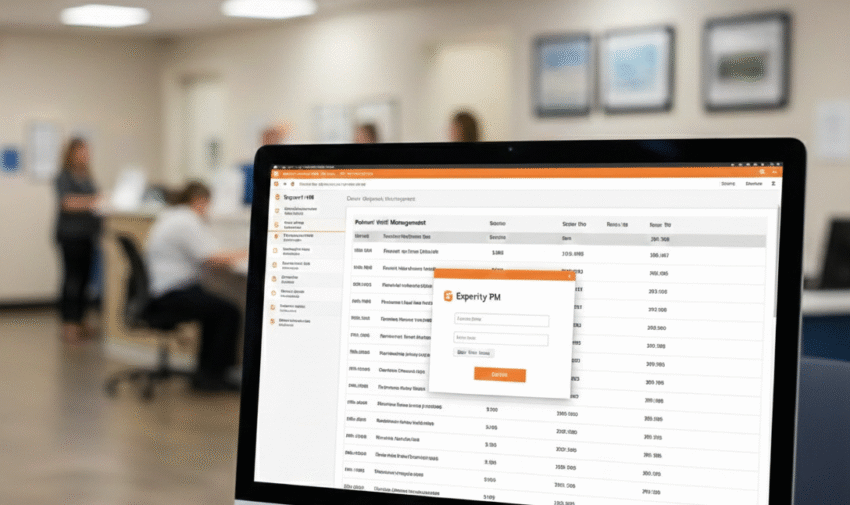
Running a successful urgent care clinic requires speed, precision, and the right technology. If you are operating in this high-velocity environment, you have likely chosen Experity as your operating system. In this Experity EMR Review 2025: PM Login, PVM, Install & Pricing Guide, we dive deep into the ecosystem that powers over 50% of U.S. urgent care centers.
Whether you are a new administrator trying to run the experity installer, a provider looking for the experity pvm dashboard, or a practice owner analyzing experity pricing, this article serves as your ultimate resource.
1. What is Experity EMR?
Experity is not just a standard medical record system; it is a purpose-built platform specifically for on-demand healthcare. Unlike generic family practice software, Experity EMR (Electronic Medical Record) and Experity EHR (Electronic Health Record) are designed to handle high patient volumes with minimal clicks.
It combines Practice Management (PM), Teleradiology, and Patient Engagement into one suite. The core philosophy is “velocity”—allowing providers to chart faster so they can see more patients without burning out.
2. Experity PM Login & PVM Access
Accessing the system can be confusing because there are different portals for different tasks. The two most important terms you will hear are Experity PM and Experity PVM.
Experity PM Login (Practice Management)
The Experity PM login is where the administrative magic happens. This is used by front desk staff and billers to register patients, verify insurance, and manage schedules. It is a web-based portal accessed via a secure URL provided by your clinic administrator.
Understanding PVM Experity (Patient Visit Management)
Providers spend most of their time in the Experity PVM (Patient Visit Management) screen.
- What is it? The pvm experity interface is the digital whiteboard. It tracks where the patient is in the clinic (e.g., “In Waiting Room,” “In X-Ray,” “Ready for Provider”).
- How to Access: The experity login for PVM is often integrated directly into the clinical dashboard, giving doctors a real-time view of clinic flow to reduce bottlenecks.
3. The Experity Installer & Setup Process
While Experity is largely cloud-based, it is not entirely browser-dependent for hardware connections. You may need to run the experity installer to ensure your local devices work correctly.
When to Use the Experity Install Tool:
You do not need to install the full EMR on your computer. However, a local experity install is required for:
- Scanning Drivers: To connect insurance card scanners.
- Label Printers: To print patient wristbands or lab labels.
- Credit Card Terminals: To integrate payment processing.
If you are setting up a new workstation, you will need to download the experity installer package from the support portal to bridge the gap between the cloud software and your local hardware.
4. Experity Pricing: The Investment
One of the most searched topics is experity pricing. Because Experity offers a premium, specialized product, they do not publish a standard price list online.
The cost structure typically follows two models:
- Subscription Model: A monthly SaaS fee per clinic or per provider.
- Revenue Share: If you use their Revenue Cycle Management (RCM) billing services, the experity pricing might be calculated as a percentage of your monthly collections (usually between 4% and 7%).
To get an accurate number, you must request a custom quote based on your patient volume.
5. Key Features & Pros/Cons
Pros:
- Built for Urgent Care: The templates specifically cover common urgent care complaints like fractures, flu, and lacerations.
- PVM Efficiency: The experity pvm flow is excellent for managing door-to-door times.
- Teleradiology: Integrated X-ray sharing is seamless.
Cons:
- Cost: Experity pricing can be high for low-volume startup clinics.
- Hardware Dependency: The need to run an experity installer for peripherals can sometimes cause glitches if Windows updates occur.
Final Verdict
Experity remains the gold standard for the urgent care industry. Its ability to manage patient flow via the pvm experity module and streamline front-desk operations via the Experity PM login makes it a powerful tool for scaling your business.
However, implementation requires careful planning, especially regarding costs and hardware setup.
Are you evaluating medical software for your practice? Schedule a demo with Codatis today to get expert insights on the best tools for your business.
Frequently Asked Questions (FAQs)
Q1: What is the difference between Experity PM and Experity PVM?
Experity PM (Practice Management) is for billing and registration. Experity PVM (Patient Visit Management) is the clinical tracking board used by doctors and nurses to manage patient flow.
Q2: Where can I find the Experity installer?
The experity installer files are typically located within the “Help” or “Support” section of your admin portal. You may need administrator privileges to download and run the experity install.
Q3: Is Experity EMR cloud-based?
Yes, Experity EMR is a SaaS (Software as a Service) platform. However, it uses a local experity installer utility to connect with scanners and printers.
Q4: How do I resolve Experity login issues?
If you cannot access the Experity PM login, first clear your browser cache. If the issue persists, contact your internal IT admin, as Experity support usually works with clinic administrators rather than individual users.
Q5: Does Experity pricing include billing?
It depends on your contract. You can buy the software standalone, or bundle it with RCM (billing services). The RCM package usually changes the experity pricing model to a percentage of collections.