
The NFT ecosystem has grown from a niche digital art movement into a powerful technology used by brands, creators, gaming companies, and fintech startups. Businesses that want to enter this space are increasingly choosing ready-made platforms instead of building complex NFT infrastructure from scratch.
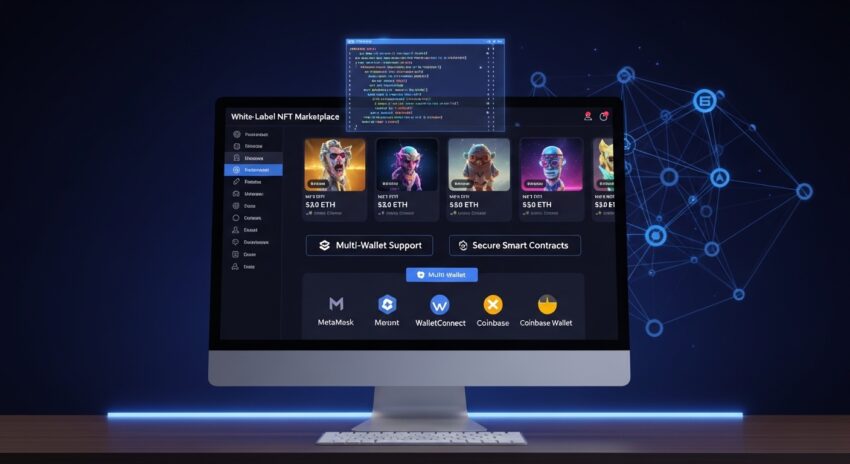
A White Label NFT Marketplace Development Company enables organizations to launch fully functional NFT marketplaces with built-in blockchain integrations, wallet support, and smart contract frameworks. By adopting white label technology, businesses can focus on branding, community building, and market expansion rather than spending years on development.
This article explores how white label NFT marketplaces work, why multi-wallet support and secure smart contracts are critical, and how companies use these platforms to build scalable NFT ecosystems.
The Evolution of NFT Marketplaces
NFT marketplaces have evolved significantly since the early days of blockchain-based collectibles.
Key stages in the development of NFT platforms include:
-
Early NFT platforms focused mainly on digital art trading.
-
Gaming and metaverse platforms later integrated NFTs for in-game assets.
-
Brands and entertainment companies began launching NFT collections.
-
Businesses started developing dedicated NFT marketplaces for their communities.
-
White label platforms emerged to simplify NFT marketplace creation.
Today, organizations partner with a White Label NFT Marketplace Development Company to deploy customizable platforms with pre-built infrastructure.
Important factors that drove the adoption of white label platforms include:
-
Rising demand for digital collectibles
-
Faster platform deployment needs
-
Lower development costs
-
Increasing blockchain adoption
-
Competitive NFT market expansion
These factors pushed businesses toward White Label NFT Marketplace Development instead of building custom solutions.
What Is a White Label NFT Marketplace?
A white label NFT marketplace is a pre-built platform that allows businesses to launch their own NFT trading ecosystem with branding customization.
Instead of coding the entire infrastructure, companies can use white label technology to quickly launch their NFT platforms.
Key characteristics of white label NFT marketplaces include:
-
Fully customizable user interface and branding
-
Built-in NFT minting and trading features
-
Smart contract automation
-
Blockchain integration
-
Multi-wallet support
-
Scalable infrastructure
A White Label NFT Marketplace Development Company typically provides:
-
Platform setup and deployment
-
Blockchain integration
-
Smart contract development
-
Security auditing
-
Maintenance and support
These solutions allow businesses to build NFT marketplaces for different industries such as art, gaming, music, sports, and digital collectibles.
Why Multi-Wallet Support Is Essential for NFT Marketplaces
Wallet integration is one of the most critical components of any NFT marketplace.
Users rely on cryptocurrency wallets to store, send, and trade NFTs securely.
Multi-wallet support enhances accessibility and improves the overall user experience.
Benefits of multi-wallet integration include:
-
Users can connect with their preferred crypto wallets
-
Increased platform accessibility
-
Improved user convenience
-
Better security management
-
Wider blockchain ecosystem compatibility
Common wallets supported by White Label NFT Marketplace Solutions include:
-
MetaMask
-
WalletConnect
-
Coinbase Wallet
-
Trust Wallet
-
Phantom Wallet
Multi-wallet compatibility ensures that the marketplace can support different blockchain networks and user preferences.
White Label NFT Marketplace Service Providers typically integrate wallet authentication systems to simplify the user onboarding process.
The Role of Secure Smart Contracts in NFT Marketplaces
Smart contracts are the backbone of NFT marketplaces. They automate transactions and ensure transparency on blockchain networks.
A smart contract governs how NFTs are created, bought, sold, and transferred.
Key functions of smart contracts include:
-
NFT minting automation
-
Ownership verification
-
Transaction settlement
-
Royalty distribution
-
Escrow management
-
Fraud prevention
Security is crucial when deploying smart contracts because vulnerabilities can lead to financial losses.
A White Label NFT Marketplace Development Company usually performs:
-
Smart contract coding
-
Security audits
-
Gas optimization
-
Bug testing
-
Compliance verification
These measures ensure that NFT transactions remain secure and tamper-proof.
Core Features of White Label NFT Marketplace Platforms
Modern NFT marketplaces include several advanced features that enhance functionality and user engagement.
Important features offered by White Label NFT Marketplace Development include:
NFT Minting Tools
These tools allow creators to generate NFTs directly on the platform.
Key capabilities include:
-
Metadata creation
-
File uploads
-
Token standard selection
-
Minting fee configuration
NFT Auctions
Auction mechanisms help creators maximize the value of their digital assets.
Auction formats may include:
-
English auctions
-
Dutch auctions
-
timed auctions
-
reserve price auctions
Secondary Market Trading
NFT holders can resell their assets through secondary markets.
Benefits include:
-
increased liquidity
-
royalty generation for creators
-
marketplace activity growth
Creator Royalties
Smart contracts automatically distribute royalties whenever an NFT is resold.
Advantages include:
-
continuous income for creators
-
fair compensation models
-
automated payment processing
Advanced Search and Filters
Search tools help users find NFTs based on:
-
categories
-
price
-
popularity
-
rarity
-
creator profile
These features make the platform easier to navigate and increase user engagement.
Industries Using White Label NFT Marketplace Solutions
NFT marketplaces are no longer limited to digital art. Many industries now use NFT technology.
Industries adopting white label NFT marketplaces include:
Gaming
Game developers use NFTs for:
-
in-game items
-
character skins
-
virtual land
-
gaming assets
Entertainment and Media
Entertainment companies launch NFT collections for:
-
movie memorabilia
-
digital posters
-
music releases
-
exclusive fan experiences
Sports
Sports organizations create NFT marketplaces for:
-
digital trading cards
-
athlete collectibles
-
fan engagement tokens
Fashion and Luxury Brands
Luxury brands use NFTs to represent:
-
digital fashion assets
-
authenticity certificates
-
limited edition collectibles
Real Estate
Real estate companies tokenize properties and offer fractional ownership through NFTs.
White Label NFT Marketplace Service Providers help companies build industry-specific NFT platforms tailored to their needs.
Benefits of Working with a White Label NFT Marketplace Development Company
Businesses launching NFT marketplaces gain several advantages when working with experienced developers.
Key benefits include:
Faster Time to Market
White label platforms significantly reduce development time.
Benefits include:
-
ready-made infrastructure
-
faster testing
-
quicker platform launch
Lower Development Costs
Custom NFT platforms require extensive blockchain development.
White label solutions reduce costs by:
-
reusing existing frameworks
-
minimizing coding requirements
-
reducing maintenance expenses
Custom Branding
Businesses can personalize their NFT marketplaces with:
-
custom UI designs
-
branded domain names
-
theme customization
-
unique platform identity
Technical Expertise
A White Label NFT Marketplace Development Company provides:
-
blockchain development expertise
-
smart contract engineering
-
security implementation
-
scalability architecture
This allows businesses to focus on marketing and community growth.
Multi-Blockchain Integration in White Label NFT Marketplaces
Modern NFT platforms support multiple blockchain networks to maximize compatibility.
Common blockchains used in NFT marketplaces include:
-
Ethereum
-
Polygon
-
Binance Smart Chain
-
Solana
-
Avalanche
Benefits of multi-chain support include:
-
reduced transaction fees
-
wider user base
-
improved scalability
-
greater asset liquidity
White Label NFT Marketplace Development ensures seamless integration with these blockchain ecosystems.
Security Measures in NFT Marketplace Platforms
Security is a top priority for NFT marketplaces because they handle digital assets and financial transactions.
Essential security mechanisms include:
Smart Contract Audits
Security audits detect vulnerabilities in smart contract code.
Key benefits include:
-
preventing exploits
-
improving transaction safety
-
ensuring blockchain reliability
Data Encryption
Encryption protects sensitive user data and platform information.
Two-Factor Authentication
Additional authentication layers improve account security.
Anti-Fraud Systems
Fraud detection systems monitor suspicious activities such as:
-
fake NFT listings
-
suspicious transactions
-
unauthorized access attempts
White Label NFT Marketplace Service Providers integrate these features to ensure a secure trading environment.
Monetization Strategies for NFT Marketplaces
Businesses launching NFT marketplaces can generate revenue through several models.
Common monetization strategies include:
Transaction Fees
Platforms charge a percentage fee on each NFT sale.
Listing Fees
Creators may pay fees to list NFTs on the marketplace.
Minting Fees
Users pay minting fees when creating NFTs.
Premium Features
Platforms can offer premium services such as:
-
featured listings
-
advanced analytics
-
exclusive NFT drops
Advertising and Partnerships
NFT marketplaces can collaborate with brands to promote NFT campaigns.
White Label NFT Marketplace Solutions often include built-in monetization tools to support these revenue models.
Challenges in Building NFT Marketplaces
Despite the advantages, launching an NFT marketplace comes with certain challenges.
Key challenges include:
-
blockchain scalability issues
-
fluctuating gas fees
-
regulatory uncertainty
-
security risks
-
user adoption barriers
However, partnering with a White Label NFT Marketplace Development Company helps businesses overcome these challenges through proven infrastructure and technical expertise.
Future Trends in White Label NFT Marketplaces
The NFT market continues to evolve with new technologies and use cases.
Important trends shaping the future of NFT marketplaces include:
AI Integration
Artificial intelligence can enhance NFT platforms through:
-
automated recommendations
-
fraud detection
-
market analytics
Cross-Platform NFT Utility
NFTs will increasingly function across multiple platforms and metaverses.
Real-World Asset Tokenization
Businesses are exploring NFTs for tokenizing physical assets such as:
-
real estate
-
luxury goods
-
art collections
Fractional NFT Ownership
This allows multiple investors to own shares of valuable NFTs.
Social NFT Platforms
Future marketplaces will combine NFT trading with social media features.
White Label NFT Marketplace Development is evolving rapidly to incorporate these innovations.
Steps to Launch a White Label NFT Marketplace
Launching an NFT marketplace using white label technology involves several steps.
Step 1: Market Research
Businesses analyze their target audience and industry requirements.
Step 2: Choose a Development Partner
Selecting a reliable White Label NFT Marketplace Development Company is essential.
Step 3: Platform Customization
Customization includes:
-
UI design
-
branding
-
feature configuration
Step 4: Blockchain Integration
Developers integrate the chosen blockchain network and smart contracts.
Step 5: Wallet and Payment Integration
Multi-wallet support and payment gateways are implemented.
Step 6: Security Testing
Comprehensive testing ensures platform reliability and security.
Step 7: Launch and Marketing
Once the platform is deployed, marketing campaigns help attract users and creators.
Conclusion
NFT technology continues to reshape digital ownership and online marketplaces. Businesses looking to enter the NFT economy need reliable platforms that offer scalability, security, and advanced functionality.
A White Label NFT Marketplace Development Company provides the infrastructure required to launch fully operational NFT platforms with minimal development time. These platforms include essential features such as multi-wallet support, smart contract automation, and customizable user interfaces.
White Label NFT Marketplace Development enables companies to build branded NFT ecosystems without complex blockchain engineering. Through advanced White Label NFT Marketplace Solutions and support from experienced White Label NFT Marketplace Service Providers, organizations can quickly establish themselves in the growing digital collectibles market.
As NFT adoption expands across industries including gaming, entertainment, sports, and real estate, white label NFT marketplaces will continue to play a crucial role in enabling businesses to innovate and scale in the decentralized digital economy.