

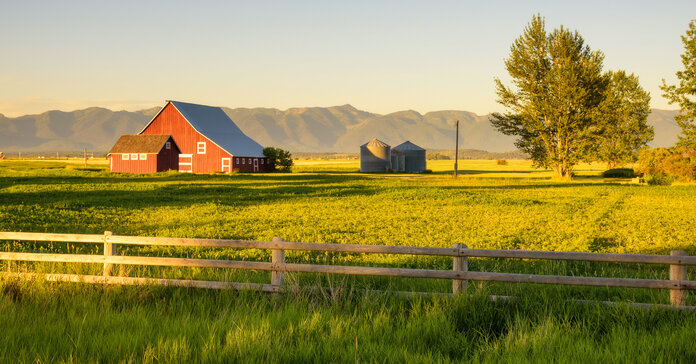
A farm or ranch rarely waits for a convenient time to need maintenance. A gate latch can fail before breakfast, a fence post can loosen after heavy weather, or a piece of equipment can suddenly need a small repair in the middle of a busy day. Having the right supplies nearby can make the difference between fixing a problem immediately and putting an important job on hold.
That is why Farm & Ranch Supplies should be viewed as more than a shopping category. The most useful supplies are the ones that support routine maintenance, property upkeep, animal areas, fencing, storage spaces, and the small repairs that happen throughout the year.
A well-planned maintenance supply collection doesn’t have to be enormous. It simply needs to reflect the work your property actually requires.
Start With the Problems You Deal With Most
Every property has its own trouble spots.
One farm may regularly deal with fence repairs, while another spends more time maintaining gates, sheds, animal enclosures, or pasture access. A smaller property may need a basic collection of hardware and repair items rather than a large inventory.
Before stocking up, think about the repairs you’ve made during the past year. What did you have to drive to town to buy? Which small item caused the biggest delay?
Those answers are a surprisingly good starting point for building a maintenance kit.
Instead of buying supplies because they seem useful, build your inventory around real problems.
Keep Fence Repair Supplies Ready
Fences are one of the easiest places for a small problem to become a bigger one.
A damaged section can affect containment, property boundaries, or access between different areas. Regular inspections can help identify loose posts, damaged rails, broken wires, and gate problems before they become major repairs. University of Minnesota Extension recommends routinely checking fencing, posts, rails, and gates and correcting problems promptly.
A basic fence-maintenance collection might include appropriate fasteners, replacement hardware, wire-related tools, pliers, cutters, posts or repair components, and gate hardware suited to the existing fence system.
The exact supplies depend on the type of fence and the animals or property being contained. There isn’t one universal fencing kit.
For temporary fencing, for example, the required post type, wire arrangement, and fence height can vary according to the livestock and the system being used.
Don’t Treat Gates as an Afterthought
A fence can be in excellent condition while a gate becomes the weak point.
Gates are opened and closed repeatedly, exposed to weather, and often used when moving equipment, feed, animals, or materials. Hinges, latches, chains, and other hardware therefore deserve regular attention.
When planning repairs or replacements, consider how the gate is actually used. A pedestrian gate does not necessarily need the same hardware or dimensions as an opening intended for tractors or larger equipment.
University of Minnesota Extension recommends considering equipment access when positioning and sizing farm gates.
It is also worth keeping replacement gate hardware available if a particular latch or hinge is difficult to source locally.
Build a Small General-Repair Box
Some of the most useful farm supplies aren’t specialized at all.
A dedicated repair box can contain common fasteners, washers, nuts, bolts, screws, hooks, brackets, utility items, measuring tools, and other hardware used repeatedly around the property.
Keeping these items together has two advantages. First, you know where to look when something breaks. Second, you can quickly see what needs to be replenished.
Labeling separate containers for different types of hardware can make the system even easier to manage.
There is no need to turn a storage area into a hardware store. Focus on the components you actually use.
Plan for Weather Before You Need To
Weather can expose weak points that weren’t obvious during normal conditions.
Heavy rain can create muddy access areas. Strong winds can damage fencing or outdoor structures. Freezing conditions can affect water systems and exposed equipment. Severe weather can also make normal access routes difficult to use.
This is where a seasonal inspection can help.
Walk the property before periods of expected severe weather and check gates, fences, shelters, storage areas, drainage paths, and equipment access. University of Minnesota Extension recommends including fences, gates, buildings, access routes, livestock locations, utilities, tools, fire extinguishers, and generators when developing farm emergency plans.
You don’t need to predict every possible problem. The goal is to identify obvious vulnerabilities while there is still time to address them.
Keep Animal Areas Easy to Maintain
Supplies used around livestock areas should support both daily work and long-term maintenance.
Fencing, gates, latches, water-access components, cleaning equipment, and repair hardware may all become part of routine property management depending on the operation.
Dry lots and similar high-use areas deserve particular attention because they can experience significant traffic and require ongoing maintenance. University of Minnesota Extension notes that dry lots should have permanent, sturdy fencing, suitable gate access, shelter, water, and regular manure management.
The important point is to plan the surrounding supplies around the way the area is actually used.
A gate that is easy for a person to open but difficult for equipment to access may create unnecessary work. Likewise, a repair material that works well in one enclosure may not be appropriate for another.
Keep Tools and Supplies Organized
A maintenance kit only helps if you can find what you need.
Create a consistent storage location for commonly used farm and ranch supplies. Keep frequently used tools accessible, while specialized or hazardous materials should be stored according to their product instructions and applicable safety requirements.
Organization also makes inventory easier. A quick monthly check can reveal that you’re running low on frequently used fasteners, repair materials, or other essentials before they become urgent.
For larger properties, separate maintenance supplies by area or task:
Fencing → Gates → Buildings → Livestock Areas → Equipment → Emergency Supplies
The categories will vary, but the principle remains the same: make the storage system match the work.
Buy for Maintenance, Not Just New Projects
It’s easy to focus on supplies needed for a planned project and forget about ordinary maintenance.
But a ranch or farm can require attention even when there isn’t a major construction job underway. A loose board, damaged latch, worn connector, broken wire, or weather-damaged component can interrupt daily routines just as effectively as a larger project.
A small stock of frequently used Farm & Ranch Supplies can therefore be valuable because it gives you options when something unexpected happens.
The goal isn’t to stock every possible item. It’s to have enough of the right basic materials to handle common problems without turning every repair into a separate shopping trip.
Review the Kit at the End of Each Season
Your maintenance inventory should change with your property.
At the end of each season, look at what was actually used. Replace items that ran out, remove supplies that no longer fit your needs, and add anything that repeatedly caused delays.
For example, if you needed the same type of gate hardware several times during the year, keeping a spare may make sense. If a particular item remained untouched for years, there may be little reason to keep buying more of it.
This simple review turns your supply collection into something based on experience rather than guesswork.
The Best Farm Supply Kit Is the One You Actually Use
A useful collection of Farm & Ranch Supplies doesn’t have to be complicated. It should reflect the property, the animals, the equipment, the buildings, and the type of maintenance work you perform throughout the year.
Start with recurring problems. Keep basic repair materials organized, pay attention to fences and gates, prepare for seasonal weather, and make sure frequently used areas can be maintained without unnecessary delays.
Most importantly, let your own experience shape the inventory. After a year of paying attention to what breaks, what wears out, and what you repeatedly need to replace, you’ll have something much more valuable than a generic supply list—a maintenance kit designed around the way your farm or ranch actually works.