
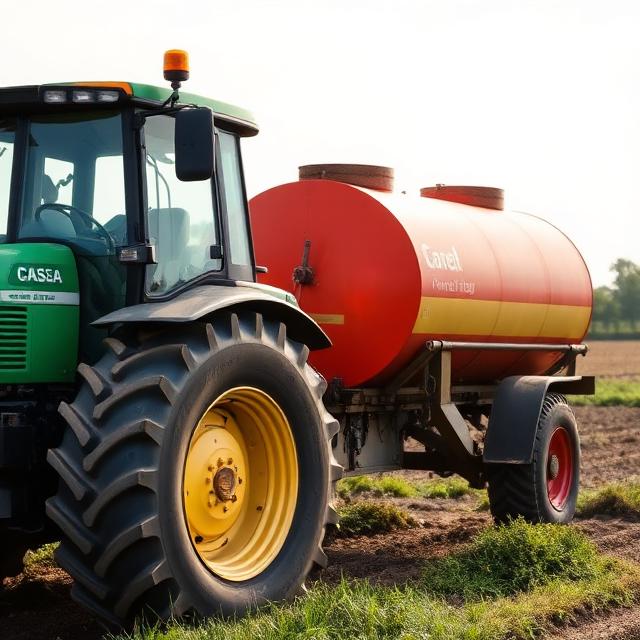
British farming is currently navigating a very fast-moving energy market. As of April 24, 2026, the price of fuel remains a top concern in every yard. Following a sharp spike in March—driven by oil supply disruptions in the Middle East—average diesel prices reached nearly 181p per litre. While the market is showing some signs of stabilizing this month, managing your bulk farm fuel is more important than ever to protect your farm’s income.
One of the biggest changes for 2026 is that the long-standing 5p fuel duty cut is finally ending. This guide explains how to stay ahead of these tax changes and keep your equipment running at its best.
Navigating Today’s Higher Fuel Prices
The spring of 2026 has been a roller coaster for energy costs. After a sharp jump in March, where diesel rose by around 25 pence per litre in just a few weeks, the market is finally showing some signs of slowing down. Average road diesel prices are currently around 158.9p per litre, and red diesel (gas oil) has followed a similar path.
For any grower or livestock producer, this volatility means that timing is everything. Staying in close contact with your agricultural oil suppliers is the best way to catch small “dips” in the market and fill your tanks when prices are lower for the week.
Planning for the Staggered Tax Increases
One of the most important things for UK farmers to track this year is the end of the temporary 5p fuel duty cut. The government is bringing this tax back in three stages to avoid a sudden shock to the economy. You should plan your bulk farm fuel orders around these dates:
The first increase of 1p per litre will happen on September 1, 2026. The next increase of 2p per litre will follow on December 1, 2026. A final increase of 2p per litre will take place on March 1, 2027.
By filling your large storage tanks to the brim in late August, you can ensure your autumn harvest is powered by fuel taxed at the lower rate, saving your business a significant amount before the winter sets in.
Choosing the Right Help from Suppliers
In a fast-moving market, your relationship with your farm fuel suppliers is a vital asset. Today, a good supplier does more than just drive a tanker; they provide the information you need to make smart buying decisions.
Many reliable agricultural oil suppliers now offer smart sensors that monitor your tanks for you. These gadgets send an alert to the supplier when you hit 20%, ensuring a red diesel delivery is scheduled before you run dry. This technology takes the stress out of fuel management, allowing you to focus on the fields while your supplier takes care of the timing.
Keeping the Yard and Home Warm
Managing a farm means looking after both the business and the family. Since most UK farms are off the main gas grid, they rely on oil for heat. If you have large livestock sheds or grain dryers, you likely require industrial heating oil. Talking to your industrial oil suppliers about separate bulk discounts can help you manage these costs more effectively.
At the same time, the farmhouse depends on domestic heating oil, also known as kerosene. To save on delivery fees, it is always a smart move to coordinate your domestic fuel delivery with your farm drop. This “split-load” approach reduces the number of heavy tankers visiting your property and allows you to negotiate a better overall price per litre.
Safe Storage and Security in the Yard
With fuel being so expensive in 2026, protecting your stock is essential. UK law says that if you store more than 1,500 litres of fuel for the farm, you must use a “bunded” tank—this is a tank inside another tank to catch any spills. This is a vital rule for protecting your soil and nearby streams from pollution.
Security is also a major concern this year. Ensure your tanks are fitted with high-quality locks and, if possible, kept in a well-lit area near the farm buildings. Using fuel additives is another simple way to protect your machinery; they keep the fuel fresh and stop a thick slime called “diesel bug” from growing and clogging up your expensive tractor engines.