
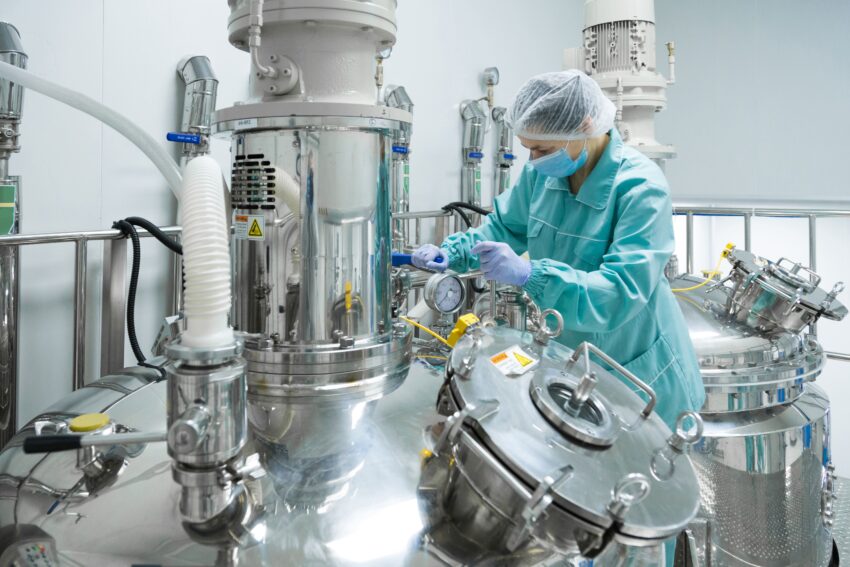
In the pharmaceutical industry, quality and safety are extremely important because medicines directly affect human health. Every company must manufacture, test, and check products carefully before they reach patients. This is why pharmaceutical manufacturers require GMP (Good Manufacturing Practice) certification.
GMP is not just a certificate. It is a complete system that controls how manufacturers produce, test, store, and deliver medicines. It ensures that every step in manufacturing follows strict rules so that products remain safe and effective.
For pharmaceutical manufacturers, GMP certification helps meet regulations, maintain quality, and build trust in the global market.
What Is GMP Certification?
GMP stands for Good Manufacturing Practice. It is a set of rules that ensures manufacturers produce medicines in clean, controlled, and safe conditions.
When a company follows GMP, it produces products in a way that ensures quality and safety every time.
In simple words, GMP ensures that:
- Medicines stay safe for patients
- Manufacturers produce consistent quality products
- Teams control all manufacturing steps properly
- Companies avoid risks like contamination and errors
GMP forms the basic requirement for trust in pharmaceutical production.
Why GMP Certification Is Important
Medicines affect human lives, so even a small mistake can create serious risks. GMP helps prevent these risks by ensuring manufacturers carry out every step correctly.
GMP is important because it helps companies:
- Protect patient safety
- Maintain consistent product quality
- Follow global regulations
- Reduce manufacturing errors
- Prevent contamination issues
Without GMP certification, most countries do not allow pharmaceutical products to enter their markets.
Quality Management System (QMS)
A Quality Management System forms the foundation of GMP compliance. It helps companies organize and control all manufacturing activities in a structured way.
A QMS includes systems that:
- Define and control procedures
- Manage documents properly
- Handle process changes
- Record and correct mistakes
A strong QMS ensures that teams perform every process in a consistent and controlled manner.
Personnel and Training
People play a key role in pharmaceutical manufacturing. Even strong systems fail if employees do not receive proper training.
Companies must train staff in:
- GMP rules and procedures
- Cleanliness and hygiene practices
- Equipment handling methods
- Job-specific responsibilities
Regular training helps employees reduce mistakes and improve product quality.
Premises and Equipment
The manufacturing environment must stay clean and controlled to prevent contamination.
Facilities include:
- Clean production areas
- Proper ventilation systems
- Controlled temperature and humidity
- Separate zones for different operations
Companies must maintain equipment properly. Equipment should:
- Stay clean and well-maintained
- Receive regular calibration checks
- Match its intended purpose
A well-maintained facility helps manufacturers produce safe and high-quality medicines.
Documentation and Record Keeping
Documentation plays a critical role in GMP compliance. If companies do not record something, regulators treat it as not done.
Companies must maintain records such as:
- Batch production records
- Testing reports
- Maintenance logs
- Training records
- Standard operating procedures
Good documentation improves transparency, traceability, and audit readiness.
Production and Process Control
Manufacturers must follow clear and controlled production steps to ensure consistent product quality.
This includes:
- Following written procedures
- Using approved raw materials
- Monitoring quality during production
- Tracking each batch properly
These controls ensure every medicine meets the same quality standard.
Quality Control and Testing
Quality control ensures products meet required standards before release.
Teams perform testing on:
- Raw materials
- In-process samples
- Finished products
- Stability conditions
Only products that pass all tests reach the market.
Validation and Qualification
Validation proves that manufacturing systems work correctly and consistently.
Companies check:
- Equipment performance
- Manufacturing processes
- Cleaning methods
- Testing procedures
Validation confirms that systems produce expected results every time.
Hygiene and Sanitation
Cleanliness plays a vital role in pharmaceutical manufacturing. Even small contamination can affect product safety.
Companies follow hygiene rules such as:
- Employees wear clean protective clothing
- Workers wash hands regularly
- Teams maintain clean production areas
- Facilities control pests effectively
A clean environment protects product quality and patient safety.
Handling Complaints and Recalls
Companies must manage customer complaints and product recalls in a structured way.
This includes:
- Recording all complaints
- Investigating issues
- Taking corrective actions
- Recalling products when necessary
This system helps improve product quality and protect patients.
Self-Inspection and Internal Audits
Internal audits help companies confirm whether they follow GMP rules correctly. Auditors review processes, check documentation, and evaluate compliance across the system.
Audits help companies:
- Identify gaps in processes
- Detect compliance issues early
- Improve weak areas
- Strengthen quality systems
Regular audits keep systems strong and ready for external inspections.
GMP Certification Process
The GMP certification process follows several important steps:
- Companies identify gaps in existing systems
- They implement GMP systems and procedures
- Employees receive proper training
- Internal audits test readiness
- External authorities inspect the facility
- Certification gets approved
Each step requires careful execution to achieve certification.
Common Challenges in GMP Compliance
Pharmaceutical companies often face challenges such as:
- Missing or incomplete documentation
- Lack of trained staff
- Equipment failures
- Process deviations
- Audit non-compliance
These issues can delay certification and product approval.
Best Practices for GMP Compliance
To maintain strong GMP compliance, companies should:
- Focus on quality in daily operations
- Keep documentation updated at all times
- Train employees regularly
- Maintain equipment properly
- Conduct internal audits frequently
These practices improve safety and reduce compliance risks.
Regulatory Authorities and GMP Standards
Global regulatory authorities enforce GMP standards. These include:
- World Health Organization (WHO)
- U.S. Food and Drug Administration (FDA)
- European Medicines Agency (EMA)
Most countries require GMP compliance before approving medicines for sale.
Importance of GMP in Pharmaceutical Manufacturing
GMP ensures that all medicines remain:
- Safe for patients
- Effective in treatment
- Consistent in quality
- Free from contamination
It builds strong trust between manufacturers, healthcare professionals, and patients.
Future of GMP Certification
GMP continues to evolve with new technology. Companies now move toward:
- Digital record systems
- Automated manufacturing processes
- Real-time monitoring systems
- Stronger data control systems
- More frequent inspections
Companies must adapt to these changes to stay compliant.
Conclusion
GMP certification plays a critical role in pharmaceutical manufacturing. It ensures that companies produce medicines safely, consistently, and under strict control.
GMP covers every stage of production, from raw materials to final delivery. When companies follow GMP properly, they improve product quality, reduce risks, and build global trust.
For pharmaceutical manufacturers, GMP is not just a regulation. It is a responsibility to protect patient health and ensure safe medicines for everyone.