

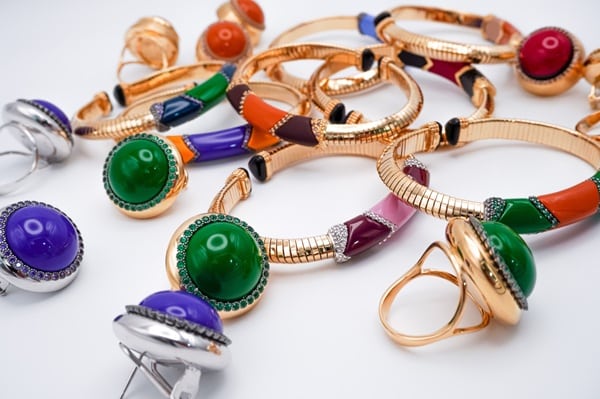
Understanding the Gold cost in Nigeria can help buyers make informed decisions when purchasing gold jewellery, comparing quotations, or exploring wholesale opportunities. Whether someone is buying a small gold accessory or considering a larger quantity, knowing what influences prices can make the purchasing process clearer.
The Gold value in Nigeria is also affected by the quality and purity of the metal, its weight, and the conditions under which it is bought or sold. These factors explain why two gold items of similar size may have different prices.
Goldy recognises the importance of understanding gold pricing before making a purchase. This guide explores the major factors that shape the Nigerian gold market, explains how buyers can compare prices, and shares practical considerations for assessing gold value.
Understanding Gold Cost in Nigeria
The Gold cost in Nigeria refers to the price buyers pay for gold in the local market. The final price depends on several factors, including international gold prices, the naira exchange rate, purity, weight, seller margins, and any applicable transaction or import costs.
Gold may be sold in different forms, such as:
-
Gold jewellery, including rings, necklaces, bracelets, and earrings.
-
Gold bars and other bullion products.
-
Gold coins, where available through legitimate sellers.
-
Wholesale gold purchased by jewellery businesses and traders.
-
Gold items intended for personal use or resale.
Each category may follow a different pricing structure. Jewellery prices can include design, craftsmanship, finishing, and retail expenses, while bullion prices are generally more closely connected to the metal’s weight, purity, and prevailing market price.
Buyers should therefore compare similar products rather than assuming that every gold item will have the same price per gram.
How International Gold Prices Affect Nigeria
International gold prices are among the most important influences on local gold pricing. Gold is traded in global markets, and its benchmark price is commonly quoted in US dollars per troy ounce.
When international gold prices rise, the cost of sourcing gold may also increase for Nigerian traders. When global prices fall, local prices may decline, but the change is not always immediate or equal because exchange rates, inventory costs, and local market conditions also matter.
Several factors can influence international gold prices.
Global Economic Conditions
Economic uncertainty can increase interest in gold as a store of value. During periods of financial instability or concern about economic growth, some investors increase their gold holdings.
Higher demand may support international prices, although market movements depend on several conditions and are not guaranteed to follow the same pattern every time.
Inflation and Purchasing Power
Inflation affects the purchasing power of currencies and can influence investor interest in gold. Some people consider gold as a way to diversify their holdings during periods of rising prices.
However, gold prices can also fall during inflationary periods, depending on interest rates, currency movements, and broader investment conditions.
Central Bank Gold Purchases
Central banks in different countries may purchase or sell gold as part of their reserve-management strategies. Changes in these activities can affect global demand and contribute to price movements.
Interest Rates
Interest rates can influence the attractiveness of gold compared with interest-bearing assets. When interest rates rise, some investors may prefer assets that provide returns. When rates fall, gold may become relatively more attractive to certain investors.
These relationships are not automatic, but they help explain why international gold prices can change frequently.
The Role of the Naira Exchange Rate
Currency exchange rates play a major role in determining the local Gold cost in Nigeria. Since international gold prices are generally quoted in US dollars, Nigerian buyers and traders must also consider the value of the naira against the dollar.
When the naira weakens against the US dollar, imported gold may become more expensive in local currency, even if the international gold price remains unchanged. Conversely, a stronger naira may reduce the local-currency cost of sourcing gold, depending on other market conditions.
For example, imagine that a quantity of gold has an international value of $1,000. If the exchange rate changes from ₦1,400 per dollar to ₦1,500 per dollar, its equivalent value changes from ₦1,400,000 to ₦1,500,000 before shipping, taxes, seller margins, or other expenses are included.
This is an illustrative calculation, not a current gold quotation or exchange-rate statement.
Buyers should compare the exchange rate used in a quotation with the rate applicable to the transaction. It is also helpful to confirm whether the seller has included conversion costs or other charges in the final price.
Gold Purity and Its Effect on Market Prices
Gold purity measures how much pure gold an item contains. It is commonly expressed in karats, with 24K representing nearly pure gold.
Different purity levels have different gold contents, which influence their underlying metal value.
| Gold purity | Approximate pure gold content | Common characteristics |
|---|---|---|
| 24K | 99.9% | Very high gold content; relatively soft |
| 22K | 91.7% | High gold content; often used for traditional jewellery |
| 18K | 75% | Combines gold with other metals for different properties |
| 14K | 58.3% | Lower gold content; often suitable for everyday jewellery |
A 22K item generally contains more pure gold than an item of the same weight made from 18K gold. Therefore, when other factors are comparable, the higher-purity item usually has a greater underlying gold value.
However, purity alone does not determine the final retail price. Design, brand, workmanship, gemstones, and seller pricing policies can also affect what a customer pays.
When evaluating the Gold value in Nigeria, buyers should verify the stated karat and weight instead of relying solely on colour or appearance. Gold colour does not reliably establish purity.
How Gold Weight Determines Its Price
Gold weight is another key factor in calculating a product’s underlying metal value. Gold may be weighed in grams, kilograms, or troy ounces, depending on the type of transaction.
For jewellery purchases, the weight is often stated in grams. Larger wholesale and bullion transactions may use grams or kilograms.
To estimate the underlying gold value, buyers need to know three things:
-
The item’s weight.
-
Its gold purity.
-
The applicable gold price for the relevant purity and unit of weight.
For example, a 10-gram item made from 18K gold contains approximately 7.5 grams of pure gold, assuming the stated weight refers to the gold alloy and excluding any separate non-gold components.
This is because 18K gold contains 75% pure gold.
The metal value can then be estimated using the applicable price of pure gold, while allowing for any relevant differences in pricing conventions. The final retail price may be higher because of craftsmanship, finishing, business expenses, and other charges.
Understanding weight and purity helps customers compare quotations more accurately and assess whether two products offer comparable amounts of gold.
Demand and Supply in the Nigerian Gold Market
Supply and demand influence prices in local gold markets. When demand increases faster than available supply, sellers may raise prices. When supply is plentiful or demand weakens, pricing pressure may move in the opposite direction.
Jewellery Demand
Gold jewellery is purchased for weddings, celebrations, gifts, and personal use. Seasonal events and cultural occasions may influence demand for particular designs and product categories.
Jewellery buyers may also have different preferences for purity, weight, and design, which affect demand across the market.
Wholesale Demand
Jewellery retailers, manufacturers, and traders may purchase gold in larger quantities. Wholesale demand can be influenced by business activity, customer preferences, available inventory, and expectations about future prices.
The prices offered to wholesale buyers may differ from retail prices because of order size, product type, and commercial agreements.
Available Supply
The supply of gold depends on mining, recycling, refining, imports, and distribution networks. Delays in sourcing or higher transport and processing costs can affect the amount of gold available to local sellers.
For buyers researching the Gold cost in Nigeria, understanding supply and demand can explain why quotations vary between sellers and over time.
Import Costs, Taxes, and Distribution Expenses
Gold imported into Nigeria may incur expenses beyond the international value of the metal. These can influence the final selling price.
Potential cost components include:
-
International shipping and transport.
-
Insurance during transit.
-
Applicable customs duties and taxes.
-
Documentation and regulatory compliance expenses.
-
Refining, testing, or processing charges.
-
Storage, security, and distribution costs.
-
Seller operating expenses and profit margins.
The exact expenses depend on the product, transaction, sourcing arrangement, and applicable regulations. Buyers should request a clear breakdown where relevant instead of assuming that every quotation includes the same charges.
For jewellery, manufacturing and design expenses may also contribute substantially to the final price. For bullion, premiums and distribution expenses may be more directly connected to the product’s weight and purity.
These differences are important when comparing retail jewellery, wholesale gold, and investment-oriented gold products.
Why Gold Jewellery Prices Differ from Raw Gold Prices
The price of finished gold jewellery is not always equal to the value of the gold it contains. Jewellery is a manufactured product that may require design, labour, specialised equipment, polishing, setting, and quality control.
A simple gold chain and an intricate necklace may contain similar amounts of gold but have different retail prices because their manufacturing requirements differ.
Other factors that can affect jewellery prices include:
-
Brand reputation and product design.
-
The complexity of links, clasps, or decorative details.
-
Gemstones and other materials.
-
Finishing quality and manufacturing standards.
-
Packaging, distribution, and retail expenses.
When assessing the Gold value in Nigeria, it is helpful to distinguish between the gold’s underlying metal value and the price of the finished item.
This distinction is especially important when considering resale. A buyer may not recover all the original design and retail charges when selling jewellery, even if the gold content retains significant value.
How to Calculate the Approximate Gold Value
A basic calculation can help buyers understand the metal value of a gold item.
For an item made from a gold alloy, the approximate pure gold content can be calculated as:
Pure gold content = Total weight × Gold purity percentage
For example, consider a 20-gram item made from 22K gold:
-
Total weight: 20 grams.
-
Approximate purity: 91.7%.
-
Pure gold content: approximately 18.34 grams.
To estimate its underlying metal value, multiply the pure gold content by the applicable price per gram of pure gold, using a consistent currency and pricing basis.
This estimate does not automatically equal the item’s selling or resale price. It does not include or account for every possible manufacturing cost, seller margin, transaction expense, or difference between buying and selling prices.
For jewellery containing stones or non-gold components, the calculation may also require the actual gold weight rather than the total item weight.
This method provides a starting point for understanding the Gold value in Nigeria, but a reliable valuation may require professional testing and a current market quotation.
How to Compare Gold Prices from Different Sellers
Comparing quotations is a practical way to make informed buying decisions. However, prices should only be compared properly when the products and terms are similar.
Confirm Purity and Weight
Ask each seller to state the karat, weight, and relevant product specifications. Comparing a 14K item with a 22K item without adjusting for gold content can produce misleading conclusions.
Ask for a Price Breakdown
Find out whether the quotation includes design charges, taxes, delivery, testing, or other expenses. A lower advertised price may not represent a lower final cost.
Check Authenticity Information
Request available documentation and inspect purity markings where appropriate. For high-value transactions, independent verification by a qualified professional can provide additional confidence.
Compare Similar Products
Compare products of similar weight, purity, construction, and design. For bullion, also consider the seller’s premium over the relevant market price and the terms for future resale.
Review the Seller’s Policies
Understand the terms for returns, repairs, exchanges, and buyback arrangements before completing the transaction.
When researching the Gold cost in Nigeria, a transparent quotation is often more useful than a headline price without supporting details.
Gold as a Long-Term Store of Value
Many people view gold as a way to preserve part of their wealth over time. Its established role in global markets and physical characteristics contribute to its continued interest among buyers and investors.
However, gold prices can fluctuate, and ownership does not guarantee a profit. Changes in international prices, exchange rates, transaction costs, and resale demand can affect the amount received when selling gold.
Jewellery also has considerations that differ from bullion. Retail workmanship charges may not be fully recovered, and the resale value may depend primarily on gold content, condition, and the buyer’s pricing method.
Anyone considering gold for wealth preservation should understand the difference between purchasing jewellery for personal enjoyment and purchasing bullion for exposure to gold prices. Decisions should reflect individual financial circumstances and objectives.
The Gold value in Nigeria can change over time, so buyers should avoid assuming that past price increases will continue or that gold will always rise in value.
Practical Tips for Buying Gold in Nigeria
A careful approach can help buyers make more confident decisions and reduce misunderstandings during a purchase.
-
Research current market conditions: Check a recent gold-price reference and the exchange rate relevant to your transaction.
-
Set a clear budget: Decide how much you intend to spend before comparing products.
-
Understand the product: Confirm whether you are buying jewellery, bullion, or another gold product.
-
Verify purity and weight: Request clear specifications and appropriate documentation.
-
Compare final prices: Include applicable fees and additional expenses when comparing quotations.
-
Choose a reputable seller: Look for transparent pricing, clear product information, and a documented transaction.
-
Keep purchase records: Save invoices and any certificates or testing reports provided.
-
Consider resale terms: If resale matters to you, ask how the product may be valued when you sell it.
These steps can help customers understand what they are paying for and make comparisons based on meaningful details rather than price alone.
How Goldy Helps Buyers Understand Gold Pricing
Goldy recognises that understanding gold prices is an important part of making informed jewellery and gold-purchasing decisions. Buyers benefit from learning how purity, weight, international prices, exchange rates, and seller expenses influence the final cost.
Whether someone is exploring jewellery for personal use or comparing products for a business, clear product specifications and transparent pricing are essential considerations.
Before making a purchase, customers should confirm the exact purity, weight, product origin where relevant, and final price. They should also understand whether a quotation refers to the underlying metal value or includes the additional costs associated with a finished product.
For people researching the Gold cost in Nigeria, these considerations provide a useful foundation for comparing options and asking informed questions.
Goldy encourages buyers to approach gold purchases with attention to quality, authenticity, and value. A well-informed decision begins with understanding the product rather than relying on appearance or price alone.
Conclusion
Gold market prices in Nigeria are shaped by a combination of international gold prices, naira exchange rates, purity, weight, supply and demand, import expenses, and seller pricing policies. Each factor contributes to the final amount buyers pay, and the effect can differ depending on whether the purchase involves jewellery, wholesale gold, or bullion.
Understanding the Gold cost in Nigeria makes it easier to compare quotations, recognise the difference between raw gold and finished jewellery, and identify the information needed before completing a transaction.
Likewise, understanding the Gold value in Nigeria requires attention to the quantity of pure gold in a product, current market conditions, and the expenses or premiums associated with buying and selling it.
With Goldy as your reference, focus on verified product specifications, transparent pricing, and careful comparisons. These habits can help you make better-informed gold purchasing decisions while developing a clearer understanding of the factors shaping Nigeria’s gold market.