
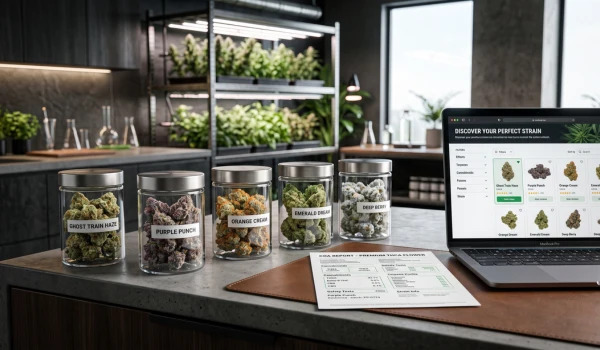
The hemp flower market is becoming more informed, selective, and experience-driven in 2026. Consumers are no longer choosing products based only on price or high cannabinoid numbers. Instead, buyers are paying closer attention to strain genetics, freshness, aroma, cultivation methods, testing, packaging, and overall product transparency.
These changing preferences are creating new opportunities for brands that understand what modern hemp flower shoppers actually value. For consumers, they also make it easier to compare products and make more informed purchasing decisions.
Understanding the latest hemp flower consumer behavior trends can help explain where the market is heading and why certain product qualities are becoming increasingly important.
1. Consumers Are Becoming More Quality-Conscious
One of the clearest changes in hemp flower purchasing behavior is the growing focus on quality.
Today’s shoppers often look beyond product names and headline potency numbers. They want to know how flower was cultivated, handled, tested, and packaged before making a purchase.
Important quality factors increasingly include:
- Cultivation environment
- Flower freshness
- Trichome preservation
- Aroma and terpene profile
- Harvest and curing practices
- Third-party laboratory testing
- Batch-specific Certificates of Analysis
- Packaging quality
This shift benefits brands that are willing to provide meaningful information instead of relying only on marketing claims.
Miiintz, for example, positions its flower around fresh sealing, laboratory testing, and quality-focused cultivation and handling. Its product lineup includes indoor California-grown THCA flower varieties such as Apple Scotti, Biscotti, Blueberry Muffin, Gelato 33, LA Runtz, Lemon Cherry Gelato, and Snowman.
2. Strain-Specific Shopping Is Becoming More Popular
Another major development is the move toward strain-specific purchasing.
Instead of simply searching for “hemp flower,” consumers increasingly look for particular genetics, flavor characteristics, aroma profiles, and cultivation styles. Names associated with familiar cannabis genetics can make it easier for experienced buyers to identify the type of product they want to explore.
This creates opportunities for searches around:
- Best THCA flower strains
- Premium indoor THCA flower
- Fruity hemp flower
- Gassy or earthy strains
- Dessert-style terpene profiles
- High-THCA hemp flower
- California-grown hemp flower
Miiintz reflects this behavior through a diverse strain lineup rather than offering a single generic hemp flower option. This gives shoppers the ability to compare different genetics based on their individual preferences.
Why Strain Diversity Matters
Different consumers prioritize different characteristics. One shopper may prefer sweet, dessert-like aromas, while another may be more interested in citrus, earthy, or fuel-forward profiles.
As consumers become more knowledgeable, “one product fits everyone” becomes less appealing.
3. Transparency Is Becoming a Purchase Factor
Trust is increasingly connected to transparency.
Consumers want evidence that a product has been properly tested and meets applicable requirements. Laboratory reports, cannabinoid information, and contaminant screening can all influence purchasing decisions.
Miiintz states that its flower is laboratory tested and accompanied by a Certificate of Analysis, giving buyers access to batch-specific information about the product.
This reflects a broader change in buyer expectations: consumers are increasingly interested in what is behind the label.
A polished product description may attract attention, but accessible testing information can help build confidence.
4. Freshness and Storage Are Getting More Attention
Freshness is another important part of the modern hemp flower buying experience.
Experienced consumers understand that flower quality involves more than cannabinoid percentages. Aroma, texture, appearance, and terpene expression can all influence how a product is perceived.
As a result, buyers are paying more attention to:
- Fresh-sealed packaging
- Airtight containers
- Moisture management
- Light protection
- Proper storage
- Packaging dates and batch information
Miiintz emphasizes fresh-sealed flower as part of its product approach, reflecting the growing importance of freshness in the premium hemp category.
5. Consumers Are Looking Beyond Potency
High cannabinoid percentages can attract attention, but potency alone is becoming a less complete way to evaluate flower.
Modern buyers may consider several characteristics together:
- Cannabinoid profile
- Terpene expression
- Genetics
- Appearance
- Aroma
- Freshness
- Cultivation method
- Testing documentation
- Price-to-quality ratio
This is an important development because it changes the conversation from “How strong is it?” to “What makes this product worth buying?”
That broader evaluation process is one of the most significant hemp flower consumer behavior trends shaping the category in 2026.
6. Indoor Cultivation Continues to Attract Quality-Focused Buyers
Indoor cultivation remains an important point of interest for consumers who prioritize environmental control and consistency.
Controlled growing environments can allow cultivators to manage variables such as lighting, temperature, humidity, and nutrients more precisely. Miiintz describes controlled cultivation as part of its production approach and offers multiple indoor California-grown THCA flower products.
For consumers, the appeal often comes down to consistency and product presentation.
However, cultivation method is only one part of the quality equation. Harvest timing, trimming, drying, curing, storage, and testing also influence the finished product.
7. Value-Conscious Shopping Is Still Important
While consumers are becoming more quality-focused, price continues to matter.
The emerging behavior is not necessarily “cheapest product wins.” Instead, shoppers are increasingly looking for value – a combination of quality, quantity, freshness, transparency, and reasonable pricing.
This has encouraged searches such as:
- Affordable THCA flower
- Best THCA flower under $50
- Premium hemp flower deals
- THCA flower ounce deals
- Cheap but quality hemp flower
Miiintz has positioned some of its products around accessible premium pricing, with several listed flower products starting at $40 and free shipping advertised for orders over $50.
For consumers, comparing total value rather than simply the sticker price can lead to better purchasing decisions.
8. Education Is Influencing Buying Decisions
Perhaps the most important trend is that consumers are researching before purchasing.
Buyers are increasingly searching for explanations of THCA, cultivation methods, strain characteristics, laboratory testing, storage, freshness, and differences between product categories.
That means educational content has become an important part of the customer journey.
Brands that explain their products clearly can help consumers understand what they are purchasing while establishing stronger credibility.
Miiintz has expanded its educational content around topics including cannabis preferences, product quality, cultivation, freshness, and buying considerations.
9. What These Trends Mean for Hemp Brands
The changing market creates a clear message for hemp businesses: consumers want more information and better experiences.
Successful brands in 2026 will likely need to focus on:
- Clear product descriptions
- Authentic strain information
- Transparent testing
- Fresh packaging
- Consistent quality
- Competitive pricing
- Educational content
- Easy product comparison
The strongest brands will not simply tell consumers that a product is premium. They will demonstrate why.
Looking Ahead: The Future of Hemp Flower Shopping
The hemp flower consumer of 2026 is more informed than the early buyer of the category. Consumers are learning how genetics, cultivation, testing, freshness, and handling can affect the products they purchase.
That means hemp flower consumer behavior trends are moving toward research-driven, quality-focused, and value-conscious purchasing.
For brands such as Miiintz, this creates an opportunity to connect with consumers through product variety, transparent quality practices, fresh-sealed flower, and useful educational information.
As the category continues to develop, shoppers will likely become even more selective. They will compare products more carefully, ask better questions, and expect brands to provide meaningful evidence behind their claims.
The final hemp flower consumer behavior trends to watch are therefore not just about what consumers buy. They are about how consumers think, research, compare, and decide.
For businesses and shoppers alike, understanding that change can make the 2026 hemp flower market easier to navigate – and much more transparent.