
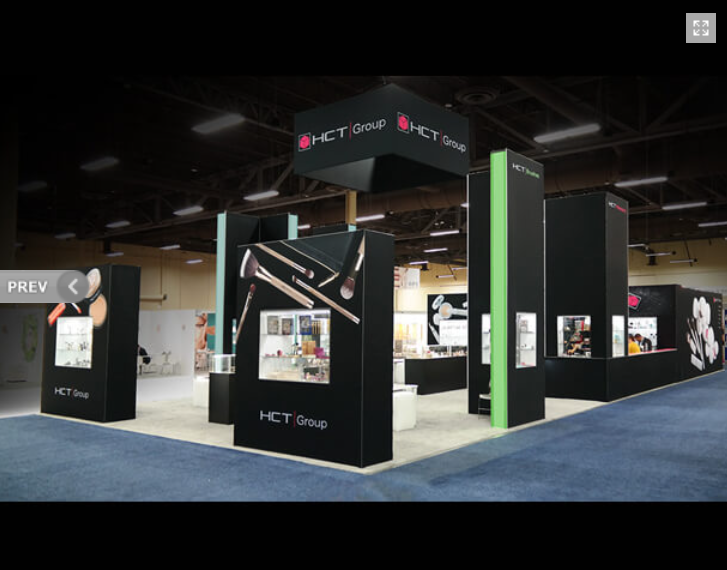
Trade shows remain one of the most effective ways for businesses to build relationships, launch products, and generate qualified leads. A successful event creates opportunities that digital marketing alone often cannot replicate. Yet many exhibitors focus heavily on booth construction and registration fees while overlooking several expenses that quietly inflate the overall budget.
Unexpected costs rarely appear on the initial event checklist. Shipping delays, labor charges, utility fees, storage, graphic updates, and last-minute design adjustments often surprise even experienced exhibitors. Without careful planning, these hidden expenses reduce return on investment and create unnecessary stress before the event even begins.
A well-prepared trade show strategy accounts for every stage of the exhibiting process—from initial planning to post-event logistics. Businesses that identify hidden costs early gain greater control over budgets while creating exhibits that deliver meaningful results.
Successful exhibitors rarely spend less because they cut corners. They spend wisely because they plan for every detail before the event begins.
Why Trade Show Budgets Often Exceed Expectations?
Trade show budgeting frequently begins with visible expenses such as exhibit space, travel, and booth construction. While these categories represent significant investments, they tell only part of the financial story.
Every exhibition involves dozens of supporting services that influence the final budget.
These often include:
- Freight transportation
- Material handling
- Installation labor
- Electrical services
- Internet connectivity
- Cleaning services
- Storage fees
- Graphic replacements
- Insurance
- Furniture rentals
Individually, these costs may appear manageable. Combined, they often represent a substantial portion of the overall exhibition budget.
Organizations that plan for these expenses from the outset reduce financial surprises and improve overall event execution.
Shipping and Material Handling Add Up Quickly
Transportation represents one of the largest hidden expenses associated with trade shows.
Shipping large exhibit structures requires specialized freight carriers, careful scheduling, and proper packaging. Delays often incur expedited shipping charges, while oversized exhibits significantly increase transportation costs.
After arriving at the venue, exhibitors typically pay material handling fees based on shipment weight. These charges cover moving exhibit materials from the loading dock to the booth space and returning them after the event.
Reducing shipment size through trade show display rentals often lowers transportation and handling costs while simplifying logistics.
Installation and Dismantling Labor
Many exhibition venues require certified labor teams to install and dismantle displays safely.
Labor costs depend on several factors:
- Booth complexity
- Installation time
- Union regulations
- Crew size
- Weekend schedules
- Overtime requirements
Complicated exhibit structures naturally require additional labor hours. Designing exhibits with efficient assembly methods helps reduce labor expenses without compromising presentation quality.
Utilities Often Surprise First-Time Exhibitors
Electricity, internet access, water connections, compressed air, and audiovisual support rarely receive attention during early budgeting.
Large digital displays, product demonstrations, and interactive technologies require reliable electrical service that varies by venue.
High-speed internet packages, particularly dedicated connections, often carry premium pricing.
Ordering utilities before event deadlines typically reduces costs compared with on-site requests.
Storage Costs Continue After the Event
Owning an exhibit involves responsibilities beyond the trade show itself.
After each event, displays require secure storage until the next exhibition. Warehousing fees increase depending on exhibit size, storage duration, and climate-control requirements.
Displays also require periodic inspections, maintenance, and occasional repairs while in storage.
Businesses exhibiting only a few times a year often find trade show display rentals a practical alternative because rental providers typically handle storage and maintenance.
Graphic Updates Create Ongoing Expenses
Marketing campaigns evolve regularly. Product launches, updated branding, seasonal promotions, and revised messaging often require new exhibit graphics before each event.
Replacing graphics across an entire exhibit quickly increases production costs.
Modular exhibit systems reduce these expenses by allowing exhibitors to replace individual graphic panels instead of rebuilding entire displays.
Planning flexible graphic systems during initial exhibit development creates long-term savings.
Travel Expenses Extend Beyond Airfare
Travel budgets frequently underestimate actual event costs.
Exhibitor expenses commonly include:
- Flights
- Hotels
- Ground transportation
- Meals
- Parking
- Shipping promotional materials
- Client entertainment
- Daily incidentals
Major industry events often increase hotel rates substantially due to high demand. Booking accommodations early and selecting hotels near the venue helps reduce transportation costs while improving scheduling efficiency.
Promotional Materials and Giveaways
Printed brochures, branded merchandise, product samples, and promotional giveaways remain common components of trade show marketing.
Although each item appears inexpensive individually, bulk production and shipping significantly increase overall costs.
Many exhibitors now reduce printing expenses by incorporating digital catalogs, QR codes, and interactive product demonstrations that provide visitors with immediate access to marketing materials. Digital engagement also simplifies post-event follow-up.
Design Changes Near Event Deadlines
Late design revisions represent one of the most avoidable trade show expenses.
Changes made shortly before production often require:
- Graphic reprints
- Structural modifications
- Rush manufacturing
- Expedited shipping
- Additional labor
Early planning and thorough approval processes minimize costly last-minute adjustments while keeping production schedules on track.
Businesses investing in trade show booth designs often benefit from collaborative planning sessions that identify potential revisions before fabrication begins.
Insurance and Risk Management
Trade show insurance protects exhibitors against property damage, shipment loss, liability claims, and unexpected disruptions.
While insurance adds another budget category, it often prevents significantly larger financial losses.
Reviewing venue requirements and confirming coverage before the event helps exhibitors avoid compliance issues and unexpected expenses.
Lead Capture Technology
Generating leads represents a primary objective for many exhibitors.
Lead retrieval systems, badge scanners, interactive kiosks, and CRM integrations improve efficiency while introducing additional technology costs.
Choosing the right solution depends on:
- Expected visitor volume
- Sales process
- Follow-up strategy
- Reporting requirements
Technology investments often deliver stronger long-term value when integrated into a comprehensive lead management process.
How Smart Planning Reduces Hidden Costs?
Effective budgeting begins long before exhibit production. Experienced exhibitors typically follow several best practices:
Create a Comprehensive Budget
Include all anticipated expenses rather than focusing solely on booth construction.
Budget categories should cover logistics, utilities, labor, travel, storage, marketing, and contingency planning.
Build a Contingency Reserve
Unexpected expenses occasionally arise despite careful preparation.
Setting aside approximately 10–15% of the total budget helps manage unforeseen costs without disrupting the overall project.
Plan Months in Advance
Early planning reduces rush production charges, shipping premiums, and hotel expenses while providing greater flexibility for design decisions.
Choose Modular Exhibit Solutions
Modular systems adapt to multiple booth sizes and event formats, reducing future redesign expenses while extending exhibit lifespan.
Evaluate Rental Options Carefully
For many organizations, trade show display rentals provide flexibility, professional presentation, and lower long-term overhead.
Rental solutions eliminate many ownership responsibilities, including storage, maintenance, refurbishment, and transportation planning.
Long-Term Cost Efficiency Begins with Better Design
A well-designed exhibit supports more than visual appeal.
Thoughtful planning considers:
- Transportation efficiency
- Assembly time
- Graphic flexibility
- Material durability
- Future event adaptability
- Storage requirements
These factors contribute significantly to long-term cost management.
Organizations working with experienced exhibit professionals often discover that carefully planned trade show booth designs reduce operational expenses across multiple exhibitions rather than focusing only on the first event.
Measure Return Beyond Initial Expenses
Evaluating trade show success requires looking beyond immediate costs.
Important performance indicators include:
- Qualified leads generated
- Sales opportunities created
- Customer meetings completed
- Brand awareness
- Media exposure
- Partnership opportunities
- Customer retention
- Revenue influenced
Understanding these metrics provides valuable insight when planning future exhibition budgets.
Continuous evaluation also identifies opportunities to optimize spending while improving event performance year after year.
Preparation Creates Better Trade Show Results
Trade shows involve far more than booth construction and event registration. Hidden expenses appear throughout planning, transportation, installation, operations, and post-event logistics. Recognizing these costs early allows exhibitors to build realistic budgets, reduce unnecessary spending, and improve overall return on investment.
Businesses that combine strategic planning with flexible solutions, such as trade show display rentals, create greater financial control without sacrificing professionalism. At the same time, investing in adaptable trade show booth designs helps organizations participate confidently in future events while minimizing recurring expenses. Careful preparation transforms trade shows from unpredictable investments into well-managed opportunities that consistently support long-term business growth.