
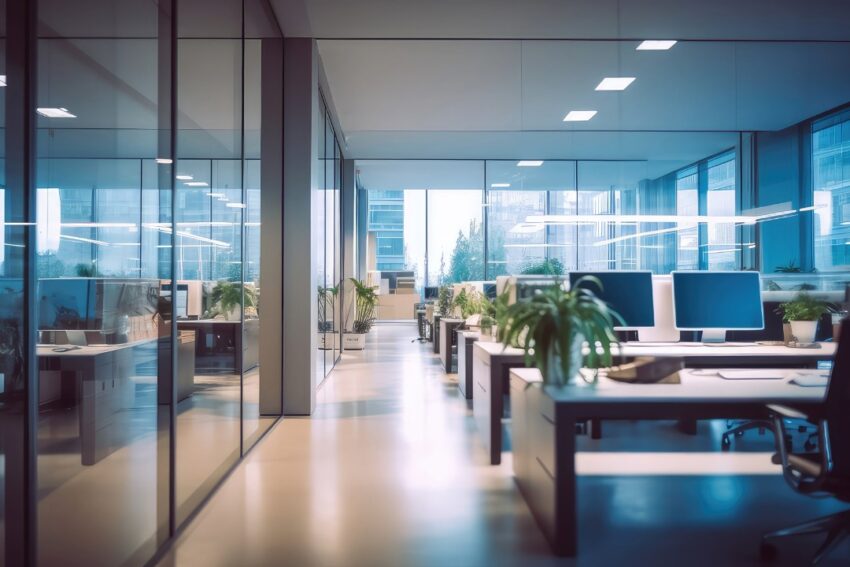
Working from home has become an important part of modern professional life, making dedicated home offices increasingly valuable. A thoughtfully designed workspace can provide better organization, comfort, privacy, and a clear separation between professional and personal activities. Professional home office interior design in Hyderabad focuses on creating workspaces that fit naturally into modern homes while meeting the practical requirements of professionals, entrepreneurs, freelancers, and remote teams.
Many ideas from Office Interior Design Trends That Improve Productivity can be adapted to residential workspaces. Although a home office is smaller and more personal than a corporate office, principles such as ergonomic planning, effective lighting, organized storage, comfortable furniture, technology integration, and efficient use of space remain important. Hyderabad-based home office designers also need to consider compact layouts, natural light, ventilation, and the relationship between the workspace and the rest of the home. (mdeepaarchitects.com)
Planning the Available Space
A home office does not always require an entire room. A spare bedroom, living-room corner, passage, or part of a multipurpose room can be transformed into a functional workspace.
The first step is understanding the available dimensions and identifying suitable locations for the desk, storage, electrical points, lighting, and seating. In compact Hyderabad homes, efficient planning can help create a dedicated work zone without compromising the functionality of the rest of the house.
Ergonomic Workstations
Comfort is essential when a workspace is used for several hours each day. The desk should provide sufficient working surface, while the chair should support a comfortable working posture.
L-shaped desks can be useful in larger rooms, while straight desks or wall-mounted workstations can suit compact spaces. Adjustable monitor arrangements, appropriate desk heights, and convenient access to frequently used items can further improve usability.
Smart Storage Solutions
Home offices often require storage for documents, books, stationery, electronic accessories, and equipment. A cluttered desk can make a workspace feel distracting and unorganized.
Built-in cabinets, floating shelves, bookcases, filing drawers, and overhead storage can help keep essential items accessible while maintaining a clean appearance. Vertical storage is particularly useful when floor space is limited.
Effective Lighting Design
Lighting should be considered carefully when designing a home office. Natural light can make the workspace feel brighter and more comfortable, but direct glare on computer screens should be controlled.
A combination of general lighting and task lighting can provide flexibility. Desk lamps, recessed fixtures, pendant lights, and concealed lighting can be selected according to the room’s layout and overall interior style.
Hyderabad homes can benefit from strategies that maximize natural light while controlling heat and glare. Local home-office design approaches often emphasize ventilation and daylight management as important elements of a comfortable workspace. (mdeepaarchitects.com)
Cable and Technology Management
Modern home offices can contain laptops, monitors, printers, routers, chargers, speakers, and other equipment. Without proper planning, cables can quickly create visual clutter.
Cable-management channels, desk grommets, concealed wiring, integrated charging points, and dedicated equipment storage can create a cleaner workspace. Technology should be incorporated into the design from the beginning rather than added after the furniture has been installed.
Creating a Professional Background
Video meetings have made the background of a home office increasingly important. A thoughtfully designed wall can create a professional visual setting for online meetings.
Bookshelves, artwork, textured panels, subtle lighting, or carefully arranged storage can add character without becoming distracting. The background should complement the home’s overall design while maintaining a professional appearance.
Making Small Spaces Work
Compact homes require creative solutions. Fold-down desks, wall-mounted workstations, multifunctional furniture, and built-in storage can transform underused areas into productive work zones.
A workspace can also be integrated into a bedroom or living room using partitions, cabinetry, rugs, lighting, or changes in wall treatment to create visual separation without constructing a permanent wall.
Acoustic Considerations
Noise can be a challenge when working from home, particularly when multiple family members use the property during working hours. Acoustic panels, upholstered surfaces, rugs, curtains, and strategically positioned furniture can help reduce sound reflections.
Where possible, the office should be located away from high-traffic areas. Doors and partitions can provide additional privacy for meetings and focused work.
Materials and Aesthetics
A home office should complement the surrounding residential interior. Wood finishes, laminates, veneers, textured panels, glass, and metal accents can be combined according to the preferred style.
A consistent material palette can make the office feel like a natural extension of the home rather than a temporary workspace. Contemporary home-office furniture can be customized to suit modern, minimalist, luxury, or traditional interiors.
Why Professional Design Helps
A professional home office interior design in Hyderabad service can coordinate furniture, storage, lighting, electrical requirements, materials, and décor into one cohesive solution. This is particularly valuable when space is limited or when the office needs to serve multiple functions.
Local designers can also account for the architectural and climatic characteristics of Hyderabad homes while developing practical workspace solutions. (designsataroha.com)
Conclusion
A well-planned home office can improve organization, comfort, and the overall work-from-home experience. Professional home office interior design in Hyderabad can transform even a compact area into a productive and visually appealing workspace. With ergonomic furniture, efficient storage, suitable lighting, technology integration, cable management, and personalized finishes, homeowners can create an office that supports professional activities while fitting naturally into the home’s interior.