
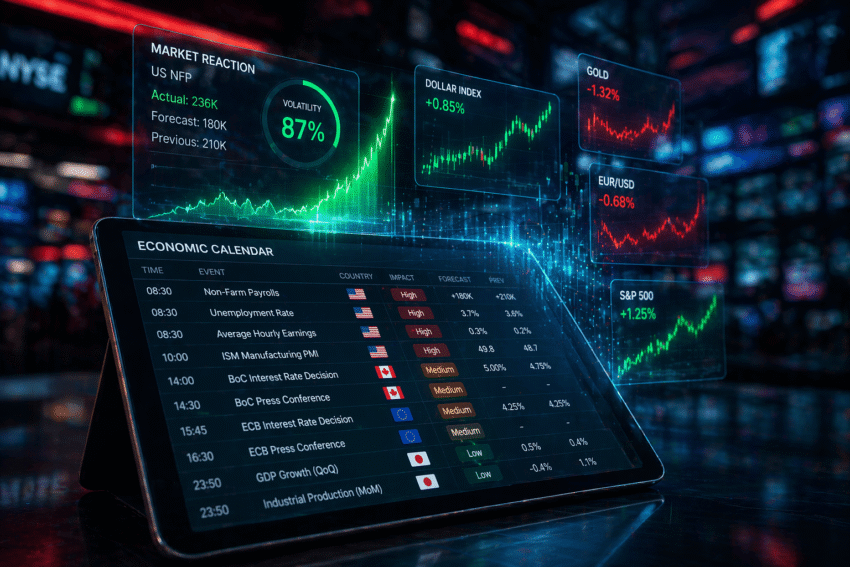
The Forex market is influenced by a wide range of economic events that can cause prices to move within seconds. Interest rate decisions, inflation reports, employment data, and central bank announcements all have the potential to create significant market volatility. Traders who enter positions without considering these events often expose themselves to unnecessary risks. One of the most effective ways to prepare for market movements is by using a Trading Economic Calendar, which provides advance notice of important economic releases and helps traders plan their strategies more effectively.
When combined with a Funded Forex Account, an economic calendar becomes even more valuable. Traders managing funded capital are expected to follow disciplined risk management and make informed decisions. Understanding when major economic events are scheduled allows traders to avoid unexpected volatility, improve trade timing, and build a more consistent trading approach.
Understanding the Purpose of a Trading Economic Calendar
A Trading Economic Calendar is a schedule of upcoming economic reports, central bank announcements, and financial events that may influence currency prices. Instead of reacting to unexpected market movements, traders can prepare in advance by knowing when high-impact news is expected.
Typical events listed on an economic calendar include:
- Interest rate decisions
- Inflation reports
- Gross Domestic Product (GDP) releases
- Employment and unemployment data
- Consumer confidence reports
- Central bank speeches
By monitoring these events regularly, traders gain a clearer understanding of potential market volatility before placing trades.
Why Economic News Can Increase Trading Risks
Financial markets often react immediately when important economic data is released. Even when traders have identified a strong technical setup, unexpected news can quickly change market direction.
Without checking a Trading Economic Calendar, traders may:
- Enter trades just before major announcements
- Experience unexpected price swings
- Face increased market volatility
- Encounter wider spreads
- Be stopped out by sudden market movements
Being aware of scheduled events helps traders make better-informed decisions and avoid unnecessary exposure during periods of heightened uncertainty.
Better Planning with a Funded Forex Account
Trading funded capital requires discipline and consistency. Most providers offering a Funded Forex Account establish risk management rules that traders must follow to protect capital.
Planning trades around scheduled economic events helps traders:
- Reduce emotional decision-making
- Avoid unnecessary exposure during volatile periods
- Protect daily drawdown limits
- Improve consistency
- Trade with greater confidence
This structured approach supports long-term performance while encouraging responsible trading habits.
Improving Risk Management
Successful trading is not about predicting every market move—it is about managing risk effectively.
A Trading Economic Calendar allows traders to adjust their strategy before important news releases. Depending on market conditions, traders may decide to:
- Delay new trade entries
- Reduce position sizes
- Secure existing profits
- Avoid trading during highly volatile events
- Wait for market conditions to stabilise
These simple decisions can significantly reduce unnecessary losses while protecting trading capital.
Supporting Better Trade Timing
Timing plays an important role in every trading strategy. Even well-planned trades can fail if they are opened immediately before major economic announcements.
Using an economic calendar helps traders identify periods when markets may become unstable and allows them to choose more suitable entry and exit points.
This improves overall trade planning while reducing the likelihood of unexpected market disruptions affecting open positions.
Building Consistency Through Preparation
Professional traders understand that preparation is just as important as execution.
Reviewing a Trading Economic Calendar before each trading session helps create a structured routine that includes:
- Identifying important news events
- Reviewing market expectations
- Planning potential trading opportunities
- Assessing overall market conditions
- Adjusting risk levels when necessary
Following a consistent preparation process encourages disciplined decision-making rather than emotional reactions.
Combining Fundamental and Technical Analysis
Many successful traders combine technical analysis with fundamental market information.
Technical analysis helps identify potential entry and exit points, while the economic calendar highlights events that may influence price movements.
For traders using a Funded Forex Account, this balanced approach provides a more complete understanding of market conditions and supports more informed trading decisions.
Rather than relying on a single method, combining both approaches often improves overall trading confidence.
Developing Professional Trading Habits
Long-term success in Forex trading depends on maintaining professional habits rather than chasing short-term profits.
Checking the economic calendar each day encourages traders to:
- Stay informed about market conditions
- Follow structured trading plans
- Respect risk management rules
- Avoid impulsive decisions
- Adapt to changing market environments
These habits become increasingly valuable as traders gain experience and manage larger trading accounts.
Conclusion
Managing trading risks requires careful preparation, disciplined execution, and a clear understanding of market conditions. A Trading Economic Calendar provides traders with valuable information about upcoming economic events, allowing them to plan their trades more effectively and avoid unnecessary market exposure during periods of high volatility.
When used alongside a Funded Forex Account, an economic calendar becomes an essential tool for supporting responsible risk management and consistent trading performance. By combining market awareness with disciplined planning, traders can improve decision-making, protect trading capital, and develop the professional habits needed for long-term success in the Forex market.