
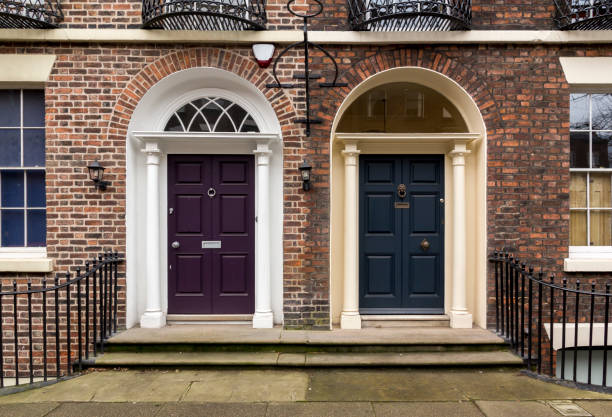
Heritage properties have a way of telling their own story. The old timber. High ceilings. Deep frames and worn details can give a house a feeling that a new build cannot easily copy. When you work on such a property the goal should not always involve making everything look new. The better approach often involves keeping the features that give the building its identity. Doors play a bigger part in this than many people realise. They sit in clear view and connect one room with another. A poorly chosen replacement can make an old interior feel strangely modern. Bespoke doors give you more freedom to avoid that problem. You can choose the size. Material. Panel design and finish around the existing character of the property. That can make a new door feel as though it belongs there rather than looking like a recent addition.
Why do doors matter so much in heritage homes?
A door covers a large part of a wall and the eye notices its shape. In an older home the doorway may also have decorative mouldings or a deep frame around it. This makes the door part of the architecture rather than just a functional item. If the design clashes with the surrounding features the difference can stand out. A plain modern door beside ornate timberwork may look too sharp. A carefully designed replacement can follow the lines already found in the property. Small choices can make a big difference here. The panel shape. Door height and hardware can all help the new fitting settle into the room.
How can a custom door follow the original style?
Start by studying what the property already has. Look at other doors in the house. Notice the number of panels and the shape of their mouldings. Check the timber colour and the finish. Even the handles can provide useful clues. You do not have to copy every detail. Instead look for the features that give the home its identity. A new door can then use similar proportions and patterns. This creates a link between old and new. The door feels familiar without pretending that nothing has changed.
Can the right proportions improve the character?
Yes. Proportion can be more important than decoration. A tall heritage room may need a tall door to keep the wall balanced. A standard door can look strangely small when the ceiling rises high above it. Wide openings have a similar issue. A narrow door can leave too much space around the frame. Bespoke sizing lets you work with the actual opening. The result can feel more natural because the door follows the architecture. You may not notice the exact measurement when looking at the finished room. You will notice when something feels right.
Why does natural timber work well in old properties?
Timber already forms part of many heritage interiors. You may see it in flooring. Beams. Staircases and window frames. A wooden door can connect with those features without much effort. Oak can give a warm and familiar feel. Darker timber can add depth to rooms with richer colours. A natural finish can show the grain and small variations in the wood. These details help the door feel less manufactured. You can also choose painted timber when that better suits the property. The material should support the room rather than compete with it.
Can panel designs bring back a traditional feel?
They can. Panelled doors have a long history and many heritage homes already use them. Raised panels can give a strong traditional look. Recessed panels can feel more understated. A simple arrangement of vertical or horizontal panels can also echo the proportions of older doors. The design should match the scale of the room. A small cottage may suit a simpler layout. A grand hallway can handle more detail. You do not need to add lots of decoration. A well balanced panel design can provide enough character on its own.
How does hardware affect a heritage door?
Hardware can either support the design or pull it in another direction. Modern chrome handles may feel out of place in a room filled with old timber and traditional mouldings. Brass. Bronze or aged finishes can create a warmer connection. A knob can give a more traditional appearance than a sleek lever. You can also look at the existing hardware in the property and choose something related. It does not need to match exactly. Similar finishes can create a quiet link between the door and other metal details.
Can bespoke doors improve a dark hallway?
They can when you use the right design. A small glazed panel can let daylight move between rooms. Textured glass can add privacy while still allowing some light through. A lighter timber or paint colour can also make the doorway feel less heavy. The amount of glass matters. Too much can make a traditional door look too modern. A narrow panel can provide a useful middle ground. You get some borrowed light without losing the solid appearance that suits many heritage interiors.
What if the original doorway has unusual dimensions?
That is one area where custom work can prove useful. Older openings often have sizes that do not match modern standards. The walls may have moved over time or the frame may have been built around a particular architectural feature. A standard door can leave awkward gaps or require changes that affect the surrounding woodwork. A made to measure door can follow the opening more closely. The maker should take accurate measurements and check the condition of the frame first. If the frame needs repair then that should happen before the final fitting.
Can a new door look old without looking fake?
Yes. The trick involves restraint. You do not need to add artificial marks or make the timber look damaged. A traditional panel layout. Natural wood and suitable hardware can create the right feel without copying age itself. A softer finish may also help. The aim is to respect the style of the building rather than pretend the new door has been there for a hundred years. Good craftsmanship can create a sense of continuity without resorting to gimmicks.
How can colour support the character of a heritage home?
Colour can change the mood of the whole doorway. Creams and soft whites can keep an older hallway bright. Deep green. Navy and muted red can create a richer traditional feel. Natural timber brings its own colour and can work with original woodwork. You can also choose a shade that contrasts with the wall. A dark door against a pale wall can make the architecture more noticeable. The best colour often comes from looking at the property itself. Existing paint. Flooring and furniture can all guide the choice.
Can painted doors still look authentic?
Absolutely. Painted timber has a long place in traditional interiors. Many old homes use painted doors because they create a clean surface while keeping the classic shape. A muted colour can feel more natural than a bright modern shade. The finish also matters. A very glossy surface may look too sharp in some rooms while a softer finish can blend better with older materials. You can also use colour to highlight the panel design. A deeper shade on the door can bring out the moulding without adding extra decoration.
Do bespoke doors improve privacy as well as appearance?
They can. A solid construction gives you more privacy than a clear glazed door. A closer fit can also reduce gaps around the frame. If noise is a concern then you can choose a heavier core and suitable seals. Bedrooms. Studies and bathrooms may benefit from this approach. The important point is that practical features do not need to ruin the traditional look. You can hide modern improvements inside a door that still follows the character of the property.
How can doors connect different rooms?
A heritage home can have many rooms with slightly different styles. One may have dark timber. Another may use painted wood and a third may have a more decorative panel layout. You can create a common thread without making every door identical. Similar handles. Related panel shapes or one shared timber tone can help. This creates a gentle rhythm as you move through the house. Each room keeps its identity but the whole property still feels connected.
Can bespoke doors make renovated spaces feel less modern?
They can help bridge the gap between old architecture and new improvements. Many heritage homes now have modern kitchens. Bathrooms or lighting systems. A completely modern door can make the transition feel abrupt. A traditional style door can soften that change. You can keep the old panel design while using a modern construction. Or choose a timber finish that connects with the original woodwork. This approach allows modern living without making the older parts of the house feel forgotten.
Why is craftsmanship important for heritage properties?
Older buildings often show small imperfections. A good maker knows how to work with those conditions instead of forcing everything into a rigid pattern. Careful measurements matter. So does the quality of the joints. Mouldings and finish. Installation also needs attention. A well made door can look poor if the frame sits badly or the hinges do not align. When the workmanship matches the quality of the property the result feels much more convincing. The door becomes part of the building rather than a separate product.
Should a heritage door include modern soundproofing?
It can if the room needs it. A traditional looking door can have a dense internal core that helps reduce everyday noise. Seals can close gaps around the edges and a suitable frame can improve the overall fit. This can be useful for bedrooms. Offices or rooms close to busy parts of the house. You do not have to sacrifice appearance to get better sound control. Discuss the requirement before the door gets made so the construction can account for it.
What should you consider before choosing a bespoke door?
Begin with the building. Study the original features and take careful measurements. Look at the doorways that already work well and note their proportions. Then think about the material. Panel layout. Colour and hardware. Consider privacy. Light and sound too. If the property has listed or protected status then check the relevant rules before making changes. You should also ask about installation and maintenance. A good door needs to look right but it also needs to cope with everyday use.
Are bespoke doors a good long term choice?
They can be when you want to protect the character of an older property while making it more comfortable to live in. A custom door can fit an unusual opening. Follow traditional proportions and include modern features where needed. You also have more control over the material and finish. That matters because a heritage home often deserves something more thoughtful than a generic replacement. A well made door can stay in place for years and become part of the house rather than another temporary update.
Enhancing the character of a heritage property does not mean covering it in old fashioned details. The better approach involves understanding what makes the building special and letting those qualities guide the new work. Bespoke doors can follow the proportions of an original doorway. Echo traditional panel designs and use timber or paint that fits the surrounding space. Hardware can add another small connection while modern construction can improve privacy and sound control. These details work together without needing to look dramatic. A door should not compete with the building. It should support it. When the size. Material. Colour and design all sit comfortably within the room the result can feel almost effortless. That is the real strength of a well planned custom door. It respects the past while still giving the home something practical for the years ahead.
FAQs
Why are bespoke doors useful in heritage properties?
They can follow unusual doorway sizes and match traditional features more closely than many standard products. You also get more control over the material and finish.
Can a bespoke door match the original doors?
Yes. You can copy important details such as panel layouts. Proportions and hardware finishes while using a modern internal construction.
Can custom doors improve sound and privacy?
They can. A solid core. Good seals and a well fitted frame can reduce everyday noise and provide better separation between rooms.
Are painted doors suitable for heritage homes?
Yes. Painted timber can look very natural in older properties. Soft and muted shades often work well with traditional architecture.
Do heritage properties have restrictions on replacement doors?
Some protected buildings have rules about alterations. Check the requirements for the property before removing an original door or changing the doorway.