
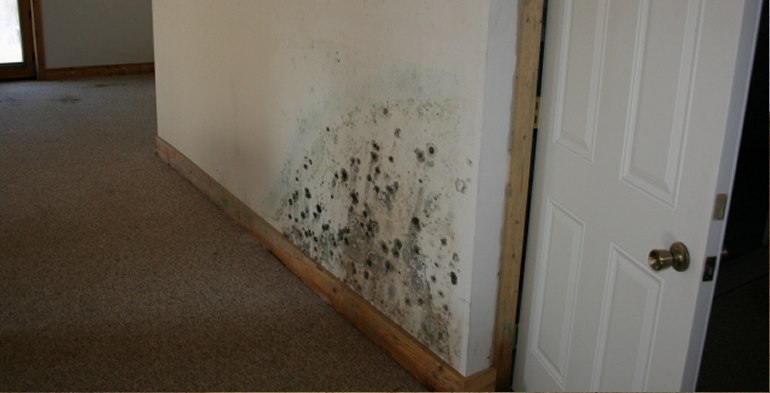
Mold can become a serious property concern when moisture remains trapped inside a home or commercial building. Leaking pipes, basement seepage, roof problems, condensation, flooding, and poor ventilation can all create conditions where mold may develop. For property owners looking for Expert Mold Remediation Services in Darien, CT, professional assistance can provide a structured way to identify the source of moisture, assess affected areas, and address mold-related problems. Darien-area remediation providers commonly use inspection, containment, filtration, cleaning, and restoration techniques depending on the condition of the property.
Why Is Mold Remediation Important for Darien Properties?
Mold is not always limited to the surface where it first becomes visible. Moisture can move behind drywall, beneath flooring, around plumbing systems, or into insulation. This means a small visible area can sometimes be connected to a larger moisture problem.
Professional remediation focuses on more than removing what can be seen. The process should also consider the reason mold developed and whether moisture continues to affect the property. Addressing these contributing conditions can help reduce the possibility of recurring mold.
What Causes Mold Growth in Homes and Businesses?
Moisture is one of the most important factors associated with mold growth. Plumbing leaks, roof leaks, foundation seepage, flooding, condensation, and excessive indoor humidity can create favorable conditions.
Darien properties may have particular moisture concerns involving finished basements, groundwater, seasonal weather, and older construction. Local remediation providers specifically identify damp basements and water intrusion as potential contributors to mold problems in the area.
What Are the Common Signs of Mold?
Visible discoloration is an obvious sign, but mold can also be associated with persistent musty odors, water stains, damp building materials, peeling paint, or recurring moisture.
A property owner may notice a smell before seeing visible mold. In other situations, mold may be discovered after furniture is moved, flooring is replaced, or a wall is opened during repair work. Any unexplained moisture or recurring odor deserves attention because the visible condition may not represent the entire problem.
Can Mold Hide Behind Walls?
Yes. Mold can grow in concealed areas when moisture becomes trapped inside building materials. Drywall, insulation, wood, and flooring can retain moisture after leaks or water damage.
Professional inspection can help determine whether hidden moisture may be present. Some remediation providers serving Darien use moisture-detection technology to locate potential water sources and affected areas.
The purpose of inspection is not simply to find mold but to understand the conditions that are allowing it to develop.
What Does Professional Mold Remediation Include?
A professional remediation project can involve several stages. The first step is usually an inspection or assessment of the property. The technician evaluates visible mold, moisture conditions, affected materials, and possible sources of water intrusion.
Depending on the circumstances, containment may then be established around the affected area. Specialized filtration equipment can be used during the work to help control airborne particles.
Affected materials are then cleaned, treated, dried, or removed when appropriate. Local providers describe processes that can include antimicrobial cleaning, HEPA filtration, controlled demolition, and restoration of damaged building materials.
Why Is Mold Containment Important?
Containment helps separate the affected work area from unaffected portions of the building. Mold particles can become airborne when contaminated materials are disturbed, so controlled work practices can help limit unnecessary spread.
Depending on the project, professionals may use physical barriers, negative air pressure, air filtration, and other procedures. The exact approach should depend on the size, location, and characteristics of the affected area.
Careful containment is particularly important when remediation involves drywall, insulation, flooring, HVAC-related areas, or other materials that could release particles during removal.
How Does HEPA Filtration Support Mold Remediation?
HEPA filtration equipment is commonly used during professional mold remediation to capture fine airborne particles. Some Darien-area remediation providers specifically describe the use of air scrubbers and HEPA vacuums as part of their mold-control process.
Filtration is only one part of remediation, however. It should work alongside moisture control, containment, cleaning, and appropriate handling of affected materials. Using equipment without addressing the underlying water problem may not prevent future mold growth.
What Happens to Mold-Damaged Materials?
The appropriate treatment depends on the material and the extent of damage. Some hard surfaces can potentially be cleaned and treated, while heavily affected porous materials may need to be removed.
Materials such as drywall, insulation, carpet, and certain types of flooring can retain moisture and contamination. Professionals assess their condition before deciding whether cleaning, drying, treatment, or removal is appropriate.
Removing materials unnecessarily can increase restoration costs, while failing to address severely affected materials can leave part of the problem unresolved. A professional assessment helps guide these decisions.
Why Is Moisture Control Essential?
Mold remediation cannot be considered complete if the moisture problem that caused the growth remains unresolved. A leaking pipe, damaged roof, foundation seepage, or excessive humidity can create conditions for mold to return.
After identifying mold, property owners should also investigate potential sources of moisture. Repairing leaks, improving ventilation, controlling humidity, and keeping damp areas dry are important parts of long-term prevention.
How Can Professional Mold Remediation Protect Your Property?
Persistent moisture can damage building materials over time. Wood, drywall, insulation, flooring, and other components may deteriorate when exposed to water and elevated humidity.
Professional remediation can help property owners address affected areas before moisture-related damage becomes more extensive. In some cases, restoration may involve replacing damaged drywall, subfloors, flooring, or other materials after remediation.
Taking action early can therefore be an important part of protecting both the condition and value of a property.
Is DIY Mold Removal Always Appropriate?
DIY cleaning may be suitable for some small, straightforward surface issues, but it is not always appropriate for extensive or recurring mold problems. Hidden mold, significant water damage, contaminated porous materials, or mold in difficult-to-access areas can require professional evaluation.
Another limitation of DIY cleaning is that it may focus on the visible mold without identifying the moisture source. If water continues entering the property, mold can return.
When the extent of contamination is uncertain, professional assessment can help determine what should happen next.
What About Mold Testing?
Mold testing is not automatically required in every situation. Whether testing is useful depends on the circumstances and the purpose of the investigation.
If mold is suspected but cannot be clearly identified, or if there is uncertainty about the extent of contamination, professional inspection and sampling may provide additional information. Darien-area providers advertise mold inspections, testing, and environmental assessments as part of their services.
A qualified professional can explain whether testing is appropriate before remediation begins.
How Can Homeowners Prevent Future Mold Growth?
Preventing moisture is one of the most practical ways to reduce mold risk. Property owners should inspect plumbing, roofs, gutters, windows, foundations, and HVAC systems regularly.
Basements and crawl spaces deserve particular attention because moisture can remain hidden in these areas. Bathrooms and kitchens should have adequate ventilation, and condensation should be addressed when it becomes persistent.
After water damage, drying affected areas promptly can also help reduce the opportunity for mold to develop. Routine maintenance can prevent small moisture issues from becoming larger property problems.
What Should Businesses Know About Mold Remediation?
Commercial properties can face additional challenges because mold may affect offices, retail spaces, schools, warehouses, or other occupied buildings. A remediation project may need to consider employees, customers, equipment, operating schedules, and the potential disruption caused by affected areas.
Professional restoration providers serving Darien offer both residential and commercial mold remediation services, with procedures designed around the property’s specific conditions.
For businesses, early response can be especially valuable because unresolved moisture problems may interfere with normal operations.
How Should You Choose a Mold Remediation Company in Darien?
When comparing Expert Mold Remediation Services in Darien, CT, property owners should consider experience, communication, professional training, equipment, and the company’s overall remediation process.
Ask whether the provider performs a detailed assessment, identifies moisture sources, explains containment procedures, and provides a clear description of the work. It is also useful to understand whether restoration services are available when building materials require repair or replacement.
Local options include SERVPRO of Darien / New Canaan and other regional restoration providers. A property owner should compare qualifications and service approaches rather than choosing solely on price.
Why Is Fast Action Important After Water Damage?
Mold can develop when wet materials remain damp for too long. After a significant leak, flood, or plumbing failure, property owners should focus on stopping the water source and drying affected areas as quickly as practical.
Fast action does not necessarily mean rushing into unnecessary remediation. Instead, it means promptly controlling the source of moisture and obtaining an appropriate assessment when mold or extensive water damage is suspected.
Early moisture control can make the restoration process more manageable and may help limit damage to building materials.
Can Professional Remediation Improve Indoor Property Conditions?
Professional remediation aims to address mold contamination and the moisture conditions that support it. Cleaning or removing affected materials, controlling moisture, and improving ventilation can contribute to a better-maintained indoor environment.
However, mold remediation should not be presented as a guaranteed treatment for specific medical conditions. People respond differently to indoor environmental conditions, and anyone with persistent health concerns should consult an appropriate healthcare professional.
Why Choose Expert Mold Remediation Services in Darien, CT?
Mold problems can be complicated when they involve hidden moisture, extensive water damage, or affected building materials. Professional remediation provides a systematic approach that can include inspection, containment, filtration, cleaning, material removal when necessary, moisture control, and restoration.
For homeowners and businesses, Expert Mold Remediation Services in Darien, CT can provide practical support when visible mold, musty odors, recurring dampness, or water damage becomes a concern. The goal is not simply to clean what can be seen but to understand and address the conditions responsible for the problem.
Final Thoughts
Mold remediation is most effective when it combines proper assessment with moisture control and responsible treatment of affected areas. Ignoring a musty smell, covering visible mold, or repeatedly cleaning the same surface may not resolve the underlying cause.
Darien property owners can reduce mold-related risks by maintaining roofs and plumbing, controlling indoor moisture, improving ventilation, and responding quickly after water damage. When a professional evaluation is necessary, choosing an experienced remediation provider can help create a clear plan for addressing the problem and protecting the property.
With the right approach, property owners can work toward cleaner, better-maintained indoor spaces while reducing the conditions that allow mold to return.
Written by: Rank Business Listings