
Cannabis has been used for centuries for wellness, medicinal, and recreational purposes. In recent years, scientific research has helped us better understand how cannabis interacts with the human body. The plant contains naturally occurring compounds called cannabinoids, which influence a complex biological network known as the endocannabinoid system (ECS). This system plays an important role in regulating functions such as mood, sleep, appetite, pain perception, memory, and immune responses.
Whether you are visiting a cannbis store, exploring products at a healling store, or shopping at a weed supply store, understanding how cannabis works can help you make more informed decisions. Choosing products from a trusted Brand Name and purchasing from licensed retailers where cannabis is legal also helps ensure product safety and quality.
Understanding the Endocannabinoid System
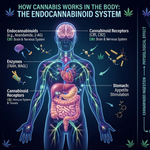
The endocannabinoid system is a cell-signaling network found throughout the body. Researchers believe it helps maintain balance, also known as homeostasis, by regulating many essential bodily processes.
The ECS consists of three main components:
-
Endocannabinoids, which are naturally produced by the body.
-
Receptors that receive signals from cannabinoids.
-
Enzymes that break down endocannabinoids after they have completed their function.
This system influences a wide range of biological activities, including:
-
Sleep quality
-
Appetite regulation
-
Mood
-
Stress response
-
Memory
-
Pain perception
-
Immune function
-
Inflammation
Because the ECS is present throughout the body, cannabis can affect multiple systems rather than just one organ.
Cannabinoids: The Active Compounds in Cannabis
Cannabis contains more than one hundred naturally occurring cannabinoids. Among them, two are the most widely studied:
THC (Tetrahydrocannabinol)
THC is the primary psychoactive compound in cannabis. It binds mainly to CB1 receptors, which are found in the brain and central nervous system. This interaction is responsible for the “high” that many users experience.
THC may also influence:
-
Pain perception
-
Appetite
-
Mood
-
Nausea
-
Muscle spasms
Research into THC continues, particularly for its potential therapeutic uses under medical supervision.
CBD (Cannabidiol)
Unlike THC, CBD does not produce an intoxicating effect. Instead, it interacts with the endocannabinoid system in more indirect ways and is being studied for its potential role in supporting overall wellness.
Many consumers choose CBD products to support relaxation, recovery, or general well-being, although research is still ongoing and results vary.
How Cannabis Enters the Body
The effects of cannabis depend on how it is consumed.
Inhalation
When cannabis is inhaled, cannabinoids travel through the lungs and enter the bloodstream quickly. Effects are usually felt within minutes and generally last for a few hours.
Edibles
Cannabis-infused foods and beverages pass through the digestive system before entering the bloodstream. Effects take longer to begin but may last significantly longer than inhaled products.
Oils and Tinctures
These products are often placed under the tongue or swallowed. Their onset and duration depend on how they are used.
Topicals
Creams, balms, and lotions containing cannabinoids are applied directly to the skin. These products are commonly used for localized application and generally do not produce intoxicating effects.
The Role of CB1 and CB2 Receptors
Cannabinoids interact primarily with two types of receptors:
CB1 Receptors
CB1 receptors are concentrated in the brain and nervous system. They influence:
-
Memory
-
Learning
-
Movement
-
Appetite
-
Mood
-
Pain signaling
THC has a strong affinity for these receptors, contributing to many of its noticeable effects.
CB2 Receptors
CB2 receptors are found mainly in immune cells and peripheral tissues. They are involved in regulating immune responses and inflammation.
Scientists continue to study how cannabinoids interact with these receptors and how they may contribute to future medical therapies.
Why Different People Experience Different Effects
Cannabis does not affect everyone in the same way. Several factors can influence an individual’s experience, including:
-
Body weight
-
Age
-
Metabolism
-
Product potency
-
Cannabinoid profile
-
Terpene profile
-
Consumption method
-
Previous cannabis experience
Because of these differences, individuals should approach cannabis cautiously and follow local laws and professional guidance where appropriate.
The Importance of Terpenes
Terpenes are aromatic compounds naturally found in cannabis and many other plants. They give cannabis its distinctive scent and flavor.
Common terpenes include:
-
Myrcene
-
Limonene
-
Pinene
-
Caryophyllene
-
Linalool
Researchers are studying how terpenes may interact with cannabinoids, although more evidence is needed to fully understand these relationships.
Medical Research Continues to Expand
Cannabis research has grown considerably over the past decade. Scientists are studying cannabinoids for potential applications in areas such as:
-
Chronic pain management
-
Epilepsy
-
Multiple sclerosis
-
Chemotherapy-related nausea
-
Sleep disorders
-
Anxiety
-
Inflammatory conditions
Some cannabis-derived medicines have already received regulatory approval for specific medical uses in certain countries. However, many potential applications remain under investigation, and more clinical research is needed.
Choosing High-Quality Cannabis Products
As legal cannabis markets continue to develop, product quality has become increasingly important.
When shopping at a cannbis store, healling store, or weed supply store, consumers should look for products that include:
-
Third-party laboratory testing
-
Accurate cannabinoid labeling
-
Ingredient transparency
-
Proper packaging
-
Compliance with local regulations
Buying from licensed retailers where cannabis is legal helps reduce the risk of contaminated or inaccurately labeled products.
Well-Known Licensed Cannabis Companies
In regions where cannabis is legal, several established companies operate licensed cultivation and retail businesses. Examples include:
-
Green Thumb Industries
-
Trulieve
-
Cresco Labs
-
Verano
-
Canopy Growth
-
Tilray Brands
-
Aurora Cannabis
Availability varies by country, state, or province, so consumers should always confirm that products are legally sold in their area and purchase only through licensed dispensaries or authorized retailers.
The Future of Cannabis Science
Researchers continue to explore new cannabinoids, improved cultivation methods, and innovative delivery systems. Future studies may provide a better understanding of how cannabis interacts with the human body and how different cannabinoid combinations affect various biological processes.
As scientific knowledge expands, consumers will likely have access to more targeted products supported by stronger evidence.
Conclusion
Understanding how cannabis works in the body begins with learning about the endocannabinoid system and the role of cannabinoids such as THC and CBD. These naturally occurring compounds interact with receptors throughout the body, influencing processes including mood, appetite, sleep, pain perception, and immune function.
Whether purchasing products from a cannbis store, healling store, or weed supply store, consumers should prioritize licensed retailers, carefully review product information, and choose a trusted Weedroads that emphasizes transparency, laboratory testing, and compliance with local regulations. As research continues, our understanding of cannabis will grow, helping consumers and healthcare professionals make more informed decisions about its appropriate use.