
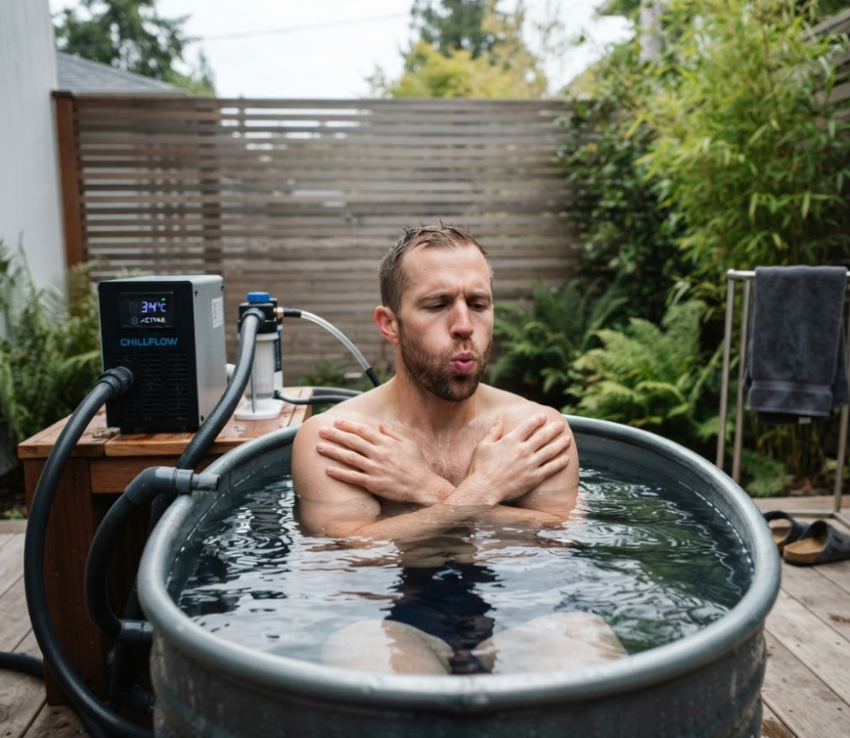
The intentional pursuit of optimal physical recovery has driven a significant segment of the athletic community and wellness enthusiasts toward the time-honored, rigorous practice of deliberate cold water immersion. While a high-end commercial cold plunge unit offers a convenient, “plug-and-play” solution for those who possess the necessary budget, a passionate and growing community of builders is discovering the unique satisfaction and long-term cost-effectiveness of crafting their own specialized cold therapy systems. Whether your personal goal is to replicate the chilling efficiency and aesthetic polish of professional-grade systems, or you are simply aiming to establish a consistent, accessible ritual that fits your lifestyle, a deep understanding of the mechanical and physiological aspects of cold recovery is the essential first step toward achieving lasting success.
The Complex Science and Strategic Application of Cold Immersion
At its most fundamental level, cold immersion acts as a potent physiological intervention that forces the body to adapt to an extreme environmental stimulus. When the human body is exposed to cold water, it immediately triggers a complex cascade of autonomic responses. One of the most immediate reactions is peripheral vasoconstriction, a protective mechanism that effectively shunts blood away from the skin and extremities toward the vital organs in the core. This physiological shift, which is frequently analyzed within the high-stakes world of elite sports medicine, is primarily intended to modulate systemic inflammation and facilitate faster recovery markers following periods of intense physical exertion or micro-trauma from training.
According to foundational definitions found on Wikipedia, the practice requires immersing the body in water that is maintained consistently below the threshold of 15 degrees Celsius. For the dedicated user, the primary objective is to leverage this intense systemic response to manage the symptoms of delayed onset muscle soreness and to improve overall perceived recovery markers after a grueling workout.
For the DIY enthusiast, the significant technical challenge lies in replicating the precision and consistent temperature control that is standard in a high-end commercial cold plunge. To achieve genuine, repeatable therapeutic benefits, you must move beyond the casual and inconsistent “ice bath” approach that relies on haphazardly dumping bags of melting ice into a plastic tub. Reliability is the bedrock of any successful long-term habit. If your chosen setup forces you to endure a complex, labor-intensive, and time-consuming manual process involving dozens of bags of store-bought ice every single morning, it is highly probable that you will abandon the practice within a few weeks. Instead, you should focus your efforts on designing a robust, highly insulated, and automated system that maintains your desired set-point temperature with minimal, if any, daily human intervention.
Designing and Engineering Your Custom Cold Plunge Tub
Constructing your own set of cold plunge tubs requires a high level of attention to detail regarding the selection of materials, the quality of your thermal insulation, and the reliability of your chilling technology. You are essentially acting as an engineer designing a specialized thermal vessel, and this container must be capable of withstanding both the constant inward pressure of water and the rigorous structural stresses caused by daily temperature fluctuations.
1. Selecting the Optimal Vessel
The foundation of your entire build is the tub itself. Many experienced DIY builders find success by repurposing livestock tanks, modifying chest freezers, or utilizing high-density polyethylene containers. Each of these options presents its own unique set of trade-offs that must be weighed. Livestock tanks are praised for their incredible durability and generous internal volume, but they require a comprehensive, high-quality external insulation layer to keep the water temperature stable in varied climates. Conversely, converting a chest freezer into a cold plunge is an incredibly popular trend, but it requires a high degree of specialized knowledge regarding electrical safety, advanced waterproofing, and sealant integrity to ensure that the internal electronics remain protected without ever posing a potential shock hazard.
2. The Chilling Mechanism and Circulation
If your goal is to establish a true, professional-grade recovery ritual, relying solely on manual ice will never be sufficient. You require an active, electronically controlled chilling system. This setup typically involves a high-quality water pump that continuously circulates your plunge water through an external chiller unit, similar to the technology utilized in precision hydroponics or high-end aquarium maintenance. The key to this system is ensuring that your pump’s flow rate is perfectly calibrated to the thermal capacity of your chiller. If the water travels through the heat exchanger at a velocity that is too high, it will not have enough contact time to cool sufficiently before being returned to the tub, leading to inefficient cooling and wasted electricity.
3. Advanced Filtration and Sanitation Standards
A common, and often dangerous, oversight in DIY projects is the total neglect of water hygiene. Stagnant, cold water—even when chilled—can quickly become a breeding ground for microorganisms if the water is not properly filtered and chemically treated. It is imperative that you incorporate a robust filtration system into your design. This should include a high-quality micron filter capable of removing organic debris and suspended particles, as well as an integrated ozone generator or a medical-grade UV light system to effectively neutralize pathogens. By proactively maintaining your water quality, you drastically reduce the frequency of full water changes, thereby ensuring your daily ritual remains both sustainable and exceptionally hygienic.
Balancing DIY Ingenuity with Proactive Professional Standards
While the act of building a custom system is deeply empowering and allows for total customization, it is essential to always keep professional industry standards in the forefront of your planning. In the modern fitness industry, recovery protocols are becoming increasingly data-driven and evidence-based. As highlighted in recent investigative reports on Google News, the rapid integration of wearable technology and smart sensors into daily wellness routines is helping athletes track their physiological markers with unprecedented accuracy, ensuring that the cold stimulus provided by their equipment is consistently delivering the intended metabolic and recovery results.
When you transition from a basic bucket of ice to a sophisticated, custom-engineered build, you are essentially transitioning into the role of a facility manager for your own personal recovery center. This change in role requires a higher level of diligence and maintenance. You should always monitor your water temperature using a high-precision, calibrated thermometer rather than relying on digital readouts or guesswork. Furthermore, you must ensure that every single electrical component in your build is installed with professional-grade Ground Fault Circuit Interrupter (GFCI) protection to prevent any risk of electrical accidents.
Professional athletes often emphasize that the “best” recovery tool is always the one that is utilized with absolute consistency. If your DIY build is aesthetically pleasing, ergonomically comfortable, exceptionally easy to clean, and maintains a perfect, steady temperature, you are statistically far more likely to adhere to a daily protocol. This consistency is where the true, long-term value of the investment lies. The professional perspective on this is unambiguous: steady, moderate, and regular exposure is far superior to the sporadic, extreme, or poorly executed cold sessions that place unnecessary, erratic stress on the nervous system.
Optimizing Your Daily Recovery Protocol
Once your system is fully operational, the primary focus of your project shifts toward how you utilize it. A frequent mistake among beginners is staying in the water for an excessive duration or maintaining the temperature at a level that is too low, which can often be counterproductive to your goals. Experts suggest that the primary objective is to trigger the desired hormonal and circulatory responses without ever reaching the physiological point of dangerous core cooling or hypothermia.
According to recent technical findings accessible via Google, deliberate cold exposure should be treated as a form of hormetic stress, meaning it provides significant health benefits only when applied in specific, manageable, and progressive doses. Most clinical protocols suggest beginning with shorter immersion durations and gradually increasing your time in the water as your personal cold tolerance builds over several weeks. Always listen to the feedback your body is providing; if you experience uncontrollable shivering, extreme discomfort, or numbness, it is a clear physiological signal that you should exit the water immediately.
To maximize your recovery efficiency, you should think critically about the timing of your plunge. Many people find incredible success by utilizing their cold plunge in the early morning to trigger a spike in alertness and wakefulness, whereas others prefer a post-workout session to proactively manage systemic inflammation. Whatever your daily schedule, you should maintain a simple, structured log of your activity. Tracking your sessions, your water temperature, and your subjective recovery scores can provide the critical feedback loop needed to refine your routine over time. As discussed in various Forbes wellness and leadership columns, taking a highly analytical, data-driven approach to your personal health practices allows you to iterate and improve continuously, effectively turning a simple tub in your garage or backyard into a sophisticated, high-performance tool for your longevity.
Conclusion
Building your own cold therapy system is an incredibly rewarding endeavor that successfully bridges the gap between mechanical curiosity and total physical optimization. By dedicating yourself to the essential elements of quality insulation, reliable mechanical filtration, and steady, automated temperature regulation, you can create a custom setup that effectively rivals a high-end commercial cold plunge in both its functional reliability and its physiological impact. It is important to remember that the ultimate goal of this process is not merely to construct a piece of machinery, but to build a sustainable, life-enhancing habit that supports your long-term health, mental clarity, and physical performance goals.
As you move forward to finalize your technical plans and begin the physical construction phase, keep your focus sharp on the non-negotiable elements of electrical safety and daily consistency. The DIY journey provides you with the unique opportunity to intimately understand the nuance of cold exposure, making you much more attuned to your own specific recovery needs. Whether you choose to invest in a premium, pre-built unit at a later date or prefer to stick with your custom-engineered masterpiece, you have already taken the most critical step by choosing to prioritize your recovery as a cornerstone of your lifestyle.