

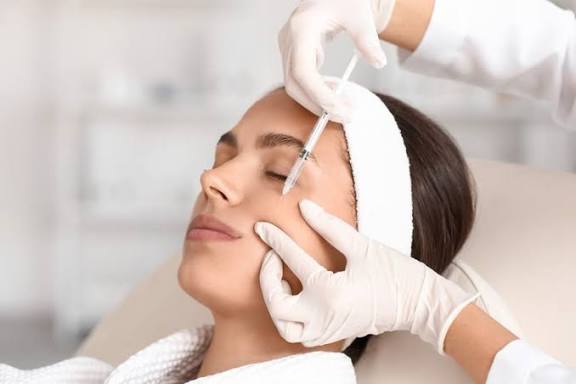
Cheek fillers are a popular non-surgical aesthetic treatment for people who want to restore facial volume and improve the appearance of their cheeks. Over time, the face can gradually lose its natural fullness, making the cheeks appear hollow, flat, or less defined. These changes may influence overall facial balance and create an appearance that looks different from a person’s usual facial features. Cheek fillers in Abu Dhabi offer an option for addressing these concerns by adding volume to targeted areas and enhancing the natural contours of the face.
The treatment focuses on improving cheek fullness while maintaining facial harmony. Understanding how cheek fillers work, what the treatment involves, and what results may be expected can help individuals make informed decisions about facial rejuvenation.
Understanding Facial Volume Loss
Facial volume loss is a natural change that can occur as the skin and underlying tissues age. The cheeks contain soft tissue and fat compartments that contribute to their rounded appearance. As these structures gradually change, the midface may look flatter or less full than before.
Changes in collagen production, skin elasticity, and the distribution of facial fat can contribute to these visible differences. Genetics, facial structure, and individual aging patterns also influence how the cheeks change over time. Some people naturally have less cheek volume, while others notice a gradual reduction as they grow older.
When the cheeks lose fullness, the transition between the lower eyelids, cheekbones, and lower face may become more noticeable. This can affect the overall appearance of the face, even when the skin remains relatively smooth.
Cheek fillers are designed to address selected areas where additional volume may help create a more balanced and refreshed appearance.
How Cheek Fillers Restore Lost Volume
Cheek fillers restore volume by introducing a suitable injectable material into carefully selected areas of the cheeks. Many commonly used fillers contain hyaluronic acid, a substance that attracts and retains water and is naturally present in the body.
When placed in appropriate areas, the filler adds volume beneath the skin and helps create a fuller cheek contour. The amount of enhancement depends on the individual’s facial anatomy, the treatment plan, and the type of filler selected.
The objective is not simply to make the cheeks larger. Instead, treatment aims to improve the relationship between the cheeks and surrounding facial features. Carefully planned placement can help restore a gentle curve to the midface, enhance cheekbone definition, and improve the transition between different facial areas.
Cheek fillers in Abu Dhabi can be tailored to individual concerns, whether someone wants subtle fullness, more noticeable cheek definition, or improvement in the appearance of hollow areas. The treatment approach should reflect the person’s natural facial proportions rather than follow a single aesthetic standard.
Improving Hollow and Flat Cheeks
Hollow cheeks can make the face appear less full, particularly around the middle of the face. This appearance may result from natural facial structure, age-related changes, or a combination of individual factors.
Cheek fillers can add volume to selected areas, creating a softer and more rounded contour. The placement depends on where the fullness is needed and how the cheeks relate to the rest of the face.
For individuals with naturally flat cheeks, treatment may help enhance the prominence of the cheekbones and create greater definition. For those experiencing age-related volume loss, fillers may help restore some of the fullness that has gradually diminished.
The aim is to create a result that complements the existing facial structure. Adding too much volume or placing filler without considering the overall proportions can produce an appearance that does not look balanced. A personalized approach helps keep the treatment focused on the individual’s goals.
Enhancing Facial Balance and Contours
The cheeks play an important role in the overall shape of the face. Their position and fullness influence how the eyes, nose, lips, and jawline appear in relation to one another.
When cheek volume decreases, the middle of the face may appear less supported or defined. Restoring selected areas can help create a smoother visual transition between the cheeks and neighboring facial features.
Cheek fillers may also improve the appearance of cheekbone definition. By adding volume to suitable areas, treatment can emphasize the natural structure of the midface without requiring surgery.
Facial balance remains an important consideration throughout the process. The goal is not necessarily to create identical cheeks or dramatically change the face. Instead, treatment should take natural asymmetry, facial proportions, and the desired level of enhancement into account.
A carefully planned approach can support a refreshed appearance while preserving the person’s recognizable features.
What Happens During Cheek Filler Treatment?
The treatment process generally begins with an assessment of facial structure, skin condition, and areas where volume restoration may be appropriate. The individual’s aesthetic goals are also discussed to determine the desired level of fullness and definition.
The cheeks are examined from different angles because facial volume can appear different when viewed from the front and side. This assessment helps guide decisions about placement and the amount of enhancement that may be suitable.
The treatment area is prepared before the filler is injected into selected locations. The specific injection technique depends on the product, treatment plan, and individual anatomy. The process is usually performed without surgical incisions.
After the injections, the treated area may be assessed to determine whether the result appears balanced. Some improvement can be visible immediately, although the appearance may continue to settle over the following days as temporary swelling decreases.
Following the recommended aftercare instructions is an important part of the treatment process. Individual guidance should be provided according to the product used and the person’s circumstances.
When Can You Expect to See Results?
One of the reasons people consider cheek fillers is that volume enhancement can often be seen shortly after treatment. Because the filler adds volume directly to the targeted area, the cheeks may appear fuller soon after the injections.
However, the initial appearance does not always represent the final result. Temporary swelling and minor changes in the treated area can affect how the cheeks look during the early recovery period.
As the area settles, the contours generally become easier to assess. The timing varies according to the filler, injection technique, and individual response.
The outcome also depends on the original degree of volume loss. Someone with mild hollowing may notice a subtle improvement, while a person seeking more pronounced contour enhancement may require a different treatment approach.
Realistic expectations are important. Cheek fillers can improve selected aspects of facial volume and definition, but they cannot completely change facial anatomy or stop the natural aging process.
How Long Can Cheek Filler Results Last?
The duration of cheek filler results varies from person to person. Factors such as the type of filler, the amount used, the treatment area, and individual metabolism can influence how long the enhancement remains noticeable.
Hyaluronic acid fillers are gradually broken down by the body over time. As the material diminishes, the added fullness may slowly become less pronounced.
Some individuals maintain visible results longer than others. The original facial structure and the degree of correction can also affect how changes are perceived over time.
Follow-up assessments can help determine whether the existing result continues to meet the person’s goals. Additional treatment, if appropriate, should be based on an individualized assessment rather than a fixed schedule.
Maintaining natural-looking proportions is an important consideration when evaluating whether further enhancement is suitable.
Who May Consider Cheek Fillers?
Cheek fillers may be considered by adults who want to improve hollow cheeks, restore lost midface volume, enhance cheekbone definition, or create a fuller facial contour without surgery.
They may also be suitable for people who want a subtle aesthetic adjustment rather than a dramatic change in appearance. The appropriate treatment depends on facial anatomy, skin condition, medical history, and individual expectations.
Not everyone with volume loss will benefit from the same approach. In some cases, another aesthetic treatment or a different management plan may be more appropriate. A qualified practitioner can assess suitability, explain the available options, and discuss realistic outcomes before treatment begins.
Choosing a Natural-Looking Approach to Volume Restoration
Natural-looking cheek enhancement depends on understanding the relationship between volume, facial proportions, and the person’s existing features. Restoring lost fullness does not necessarily require making the cheeks highly prominent.
A balanced treatment plan considers the cheekbones, under-eye area, midface, and lower face together. This broader perspective helps ensure that the added volume complements the overall facial structure.
Cheek fillers in Abu Dhabi can provide a personalized option for people seeking improved cheek fullness and definition. The most appropriate results are those that address the individual’s concerns while maintaining a natural appearance.
Clear communication about desired changes, careful treatment planning, and realistic expectations all contribute to a more informed aesthetic experience.
Conclusion
Cheek fillers offer a non-surgical approach to restoring facial volume and enhancing cheek contours. By adding fullness to carefully selected areas, the treatment may improve hollow cheeks, refine cheekbone definition, and support a more balanced midface appearance.
Understanding facial volume loss and the way fillers work helps individuals develop realistic expectations before treatment. With an individualized assessment and a focus on natural proportions, cheek fillers in Abu Dhabi can be considered by those seeking a refreshed appearance without surgical volume restoration.
FAQs
How do cheek fillers restore lost volume?
Cheek fillers add volume to selected areas of the cheeks using injectable materials, commonly hyaluronic acid. This can improve fullness, soften hollow areas, and enhance the natural contours of the midface.
Are cheek fillers suitable for hollow cheeks?
Cheek fillers may be suitable for people with hollow cheeks when the loss of fullness can be addressed through targeted volume enhancement. An individual assessment helps determine the most appropriate treatment approach.
How soon can results be seen after cheek fillers?
Some improvement is usually visible shortly after treatment. The final appearance may become clearer as temporary swelling settles over the following days.
Can cheek fillers improve facial balance?
Yes, cheek fillers may improve the appearance of facial balance by restoring volume to selected areas and enhancing cheekbone definition. Results depend on placement, facial anatomy, and the amount of filler used.
Do cheek fillers provide permanent volume restoration?
No, most commonly used hyaluronic acid cheek fillers are temporary. The body gradually breaks down the filler, so the results diminish over time.
Can cheek fillers create natural-looking results?
Natural-looking results are possible when treatment is tailored to facial proportions and individual goals. Appropriate placement and a measured amount of filler help preserve the person’s natural features.
How is the right amount of cheek filler determined?
The amount depends on the degree of volume loss, facial structure, desired outcome, and selected product. A qualified practitioner evaluates these factors before recommending a personalized treatment plan.
What should be discussed before cheek filler treatment?
Individuals should discuss their aesthetic goals, medical history, current medications, previous injectable treatments, and expectations. They should also understand the treatment process, expected results, recovery guidance, and available alternatives.