

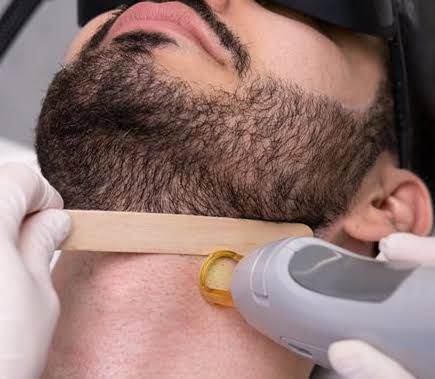
Beard bumps are a common concern for men who shave regularly and experience irritation, uneven skin texture, or ingrown hairs. These bumps can appear along the cheeks, chin, jawline, and neck, making beard grooming uncomfortable and affecting the appearance of the skin. Beard Laser Hair Removal in Abu Dhabi is a treatment option for men who want to reduce unwanted facial hair and manage recurring shaving-related bumps. Unlike traditional shaving, which cuts hair at the skin’s surface, laser hair removal uses concentrated light energy to target pigment in the hair follicles. This process can gradually reduce hair growth and make regular grooming easier.
Whether laser hair removal is suitable for beard bumps depends on the cause of the bumps, the individual’s skin type, and the characteristics of the facial hair. Understanding how the treatment works can help individuals determine whether it aligns with their skincare and grooming goals.
Understanding the Causes of Beard Bumps
Beard bumps can develop for several reasons, and identifying the underlying cause is important when considering a suitable treatment. One common cause is ingrown hair, which occurs when a hair curls back into the skin or grows sideways instead of emerging normally. This can create small, raised bumps that may appear red, tender, or itchy.
Frequent shaving can also contribute to irritation. When hair is cut very close to the skin, its sharp edge may become trapped beneath the surface as it grows. This is particularly common among men with tightly curled facial hair.
Another contributing factor is repeated friction from shaving tools, clothing, or grooming practices. Some individuals also experience bumps because their skin is naturally sensitive or reacts to frequent hair removal.
Laser hair removal may help when bumps are associated with ingrown hairs or repeated shaving. However, bumps caused by other skin conditions may require a different approach. A professional assessment can help establish whether laser treatment is appropriate.
How Beard Laser Hair Removal Targets Hair Follicles
Laser hair removal works by directing concentrated light toward the pigment in hair follicles. The pigment absorbs the light energy, which is converted into heat and helps damage the follicle’s hair-producing structures. Over a series of sessions, this process can reduce the amount of hair that grows in the treated area.
Traditional shaving removes only the visible portion of the hair. As a result, hair begins to reappear as it grows from the follicle, often requiring frequent grooming. Laser treatment works beneath the skin’s surface, addressing hair growth at its source rather than simply cutting the hair.
For men who experience recurring beard bumps, reducing hair growth can be particularly beneficial. Fewer coarse hairs growing through the skin may mean fewer opportunities for hairs to become trapped beneath the surface.
The treatment does not produce identical results for everyone. Hair colour, skin tone, hair thickness, and the treatment technology used can influence how effectively the follicles respond. Because hair grows in different cycles, multiple sessions are generally needed to achieve meaningful hair reduction.
Can Beard Laser Hair Removal Help Reduce Ingrown Hairs?
Ingrown hairs are one of the main reasons men consider laser hair removal for the beard area. When facial hair repeatedly grows back into the skin, it can create persistent bumps that return after each shaving session.
By gradually reducing hair density and thickness, laser treatment may decrease the frequency of ingrown hairs. With less hair growing in the treated area, there may be fewer hairs available to curl beneath the skin.
This can be especially helpful for individuals who experience recurring bumps along the jawline and neck, where shaving against the direction of hair growth can make ingrown hairs more likely.
However, laser hair removal does not guarantee that every ingrown hair will disappear. Existing bumps may take time to settle, and other factors can continue to influence skin texture. The treatment is generally intended to reduce future hair growth rather than provide an immediate solution for every existing skin concern.
Individuals with persistent, painful, or inflamed bumps should have the condition assessed before starting treatment. This helps determine whether the bumps are related to ingrown hairs or another skin issue.
Is Beard Laser Hair Removal Suitable for Sensitive Skin?
Men with sensitive skin may find repeated shaving particularly uncomfortable. Redness, irritation, and recurring bumps can make daily grooming difficult, especially when the beard area is shaved frequently.
Laser hair removal may offer an alternative by reducing the need for regular shaving. As hair growth becomes lighter or less dense, some individuals may find that their skin experiences less friction from grooming.
Nevertheless, sensitive skin requires careful consideration before treatment. Different skin tones and hair types respond differently to laser energy, and selecting suitable treatment settings is important. A qualified practitioner should assess the skin, review its history, and determine whether the treatment is appropriate.
A consultation can also help establish realistic expectations. Laser hair removal may reduce shaving-related irritation over time, but it does not treat every cause of sensitive skin or guarantee completely smooth skin.
What Happens During a Beard Laser Hair Removal Session?
The treatment process generally begins with an assessment of the beard area. The practitioner evaluates hair density, skin tone, hair colour, and the locations where bumps frequently appear. This information helps determine the suitability of laser treatment and the areas that may benefit from hair reduction.
The treatment area is prepared according to the recommended protocol. Protective eyewear is used during the procedure, and the laser device is applied to the selected areas of the face. The device delivers controlled pulses of light energy to target hair follicles.
The experience varies depending on the device, the treated area, and individual sensitivity. Some people describe the sensation as a brief snapping feeling against the skin.
The duration of a session depends on the size of the treatment area and the equipment being used. Smaller areas of the beard may take less time than more extensive facial treatments.
After the session, the practitioner provides instructions tailored to the individual’s skin and treatment plan. Following these recommendations helps support the treatment process and prepares the skin for subsequent sessions.
How Many Sessions May Be Needed to Reduce Beard Bumps?
Laser hair removal typically requires multiple sessions because hair follicles respond most effectively during particular stages of their growth cycle. Since not all facial hair is in the same stage at the same time, a single treatment cannot target every follicle equally.
The number of sessions needed varies according to hair thickness, growth patterns, skin characteristics, and individual treatment goals. Men seeking a reduction in dense beard growth may require a different plan from those targeting a smaller area of recurring ingrown hairs.
Changes generally develop gradually. Some individuals notice slower regrowth or finer hair after initial sessions, while more substantial reduction may require continued treatment.
Follow-up appointments are usually scheduled according to the practitioner’s recommendations and the observed hair growth pattern. The goal is to achieve progressive hair reduction while maintaining an appropriate approach for the skin.
It is also important to understand that laser hair removal usually provides long-term hair reduction rather than a guarantee of permanent, complete hair removal. Some regrowth may occur, and maintenance sessions may be considered when appropriate.
How to Determine Whether Laser Treatment Is Right for You
Choosing laser hair removal for beard bumps begins with understanding the nature of the skin concern. Individuals whose bumps are closely associated with shaving and ingrown hairs may be suitable candidates. Those experiencing unexplained, persistent, or widespread bumps may need an assessment before proceeding.
Hair and skin characteristics are also important. Laser treatment generally works best when there is sufficient pigment in the hair for the device to target. Modern systems offer different options for various skin tones, but the appropriate technology and settings should be selected by a qualified professional.
Personal grooming preferences matter as well. Some men want to reduce neck hair while maintaining a full beard, whereas others prefer a more substantial reduction in facial hair. The treatment plan should reflect the desired beard shape and the areas where bumps occur.
A consultation provides an opportunity to discuss these goals, understand the expected results, and determine whether laser hair removal is an appropriate option.
Maintaining Realistic Expectations About Treatment Results
Beard laser hair removal may help improve the appearance of the skin by reducing hair growth associated with recurring ingrown hairs. However, results vary, and improvements may develop over several sessions rather than immediately.
The treatment is primarily designed to reduce unwanted hair. Although fewer ingrown hairs may lead to fewer shaving-related bumps, laser hair removal is not a universal treatment for acne, folliculitis, or other skin conditions that can resemble ingrown hairs.
Some individuals may continue to experience occasional bumps even after hair reduction. Understanding the cause of these remaining concerns can help guide further care.
The most appropriate approach combines realistic expectations with a treatment plan tailored to the individual’s skin, beard pattern, and grooming preferences.
Conclusion
Beard laser hair removal can be a useful option for men in Abu Dhabi who experience recurring shaving-related bumps, particularly when ingrown hairs contribute to the problem. By targeting hair follicles and gradually reducing hair growth, the treatment may decrease the need for frequent shaving and help reduce the conditions that encourage ingrown hairs.
Suitability depends on the underlying cause of the bumps, skin tone, hair characteristics, and individual goals. A professional assessment can help determine whether laser treatment is appropriate and establish a plan that prioritises effective hair reduction and suitable skin care.
For men seeking a more manageable grooming routine, understanding the treatment process and its limitations is an important first step toward making an informed decision.
Frequently Asked Questions
Is beard laser hair removal good for shaving bumps?
Yes, it may help reduce shaving-related bumps when they are caused by ingrown hairs. By reducing hair growth over multiple sessions, laser treatment can lower the likelihood of hairs becoming trapped beneath the skin.
Can laser hair removal remove existing beard bumps?
Laser hair removal primarily targets hair follicles rather than treating every existing bump. Some bumps may improve as ingrown hairs become less frequent, but persistent or inflamed bumps may require a separate assessment.
Is beard laser hair removal suitable for men with sensitive skin?
It may be suitable for some men with sensitive skin. A professional assessment is important to evaluate skin characteristics and select appropriate treatment settings.
How long does it take to see improvements in beard bumps?
Improvements vary between individuals. Some may notice reduced hair growth after the first few sessions, while a more noticeable reduction in recurring ingrown hairs may take longer.
Does beard laser hair removal permanently stop hair growth?
Laser hair removal generally provides long-term hair reduction, but it does not guarantee that all hair will be permanently removed. Some regrowth may occur over time.
Can laser treatment help with neck and jawline bumps?
Yes, laser hair removal can target unwanted hair along the neck and jawline. These areas may benefit when recurring bumps are associated with shaving and ingrown hairs.
Is laser hair removal effective for all beard types?
Effectiveness depends on hair colour, hair thickness, skin tone, and the laser technology used. An assessment can help determine whether the treatment is suitable for a particular beard type.
Should beard bumps be assessed before laser treatment?
Yes, particularly if the bumps are persistent, painful, inflamed, or unexplained. An assessment can help distinguish ingrown hairs from other skin conditions and determine the most appropriate treatment approach.