
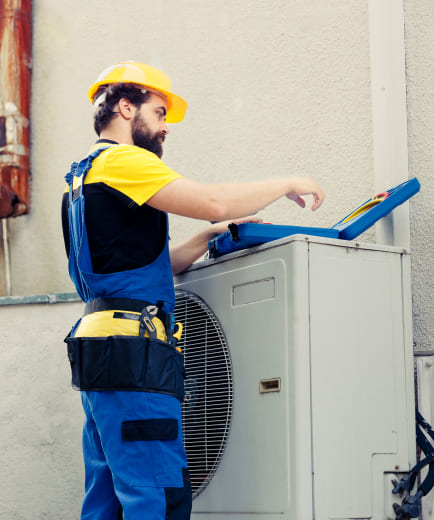
A running AC does not always mean a comfortable home. You may hear your system working, but some rooms still feel warm, vents may push very little air, or cooling may take much longer than usual. These problems often start inside the air handler. Professional air handler repair helps homeowners find the real cause of weak airflow, restore better cooling, and prevent small HVAC issues from becoming expensive repairs.
Why Does an Air Handler Matter for Your AC System?
The air handler works as the main airflow point of your HVAC system. It takes the cooled air from your AC equipment and helps push it through the ductwork into different rooms of your home. When this part works properly, your vents deliver steady airflow, and your home stays comfortable.
However, an air handler problem can affect your comfort even when your AC is still running. The system may produce cold air, but the airflow may not be strong enough to move that air where it needs to go.
You may notice signs like:
- One bedroom feels warmer while other rooms stay comfortable
- Air coming from vents feels weaker than usual
- The AC runs longer but struggles to reach the set temperature
- The indoor unit makes humming, clicking, or rattling sounds
- Certain areas of your home never feel properly cooled
For example, a homeowner may notice that the downstairs area feels fine, but the upstairs bedrooms become uncomfortable every afternoon. Instead of lowering the thermostat again and again, it is better to check whether the air handler can move enough air through the system.
What Causes Air Handler Problems in Homes?
Air handlers run whenever your heating or cooling system operates, so their internal parts handle constant use throughout the year. Over time, dust buildup, worn components, and electrical issues can affect how well the unit moves air.
Some common causes include:
- A clogged filter that limits the amount of air entering the system
- A blower motor that loses power and cannot move enough air
- Loose electrical connections that interrupt normal operation
- Dirty coils that reduce airflow and cooling performance
- Aging components that struggle during extreme weather
For instance, a dirty air filter may look like a small maintenance issue, but it can create bigger problems. When air cannot pass through the system easily, the blower motor works harder to maintain airflow. This extra strain can increase energy use and place more pressure on other HVAC parts.
How Does Air Handler Installation Help Older HVAC Systems?
Sometimes repeated repairs are a sign that an air handler has reached the end of its useful life. Older units may continue running, but they may struggle to provide the airflow and comfort your home needs.
A new air handler installation can help when the existing unit no longer supports your HVAC system properly.
A newer air handler can help by:
- Moving air more consistently throughout your home
- Supporting better temperature control
- Reducing stress on older AC equipment
- Improving overall system performance
For example, a homeowner may spend money on several small repairs every year but still deal with uneven cooling. In that situation, replacing an outdated air handler may provide better long-term value than continuing with repeated fixes.
Before making a decision, a professional technician should inspect the current system and explain whether repair or replacement makes more sense.
End Note
Weak airflow and uneven cooling are signs that your HVAC system needs attention. A running AC does not always mean every part is working properly. Problems inside the air handler, such as a failing blower motor, clogged filter, or worn component, can slowly affect comfort and increase system strain.
Timely air handler repair helps restore proper airflow, improve cooling performance, and prevent small issues from becoming larger repair needs. However, if your air handler has frequent problems or no longer supports your home’s comfort, a professional evaluation can help you decide whether repair or replacement is the better option.
Taking care of airflow problems early helps your HVAC system work more reliably and keeps your home comfortable through every season.