
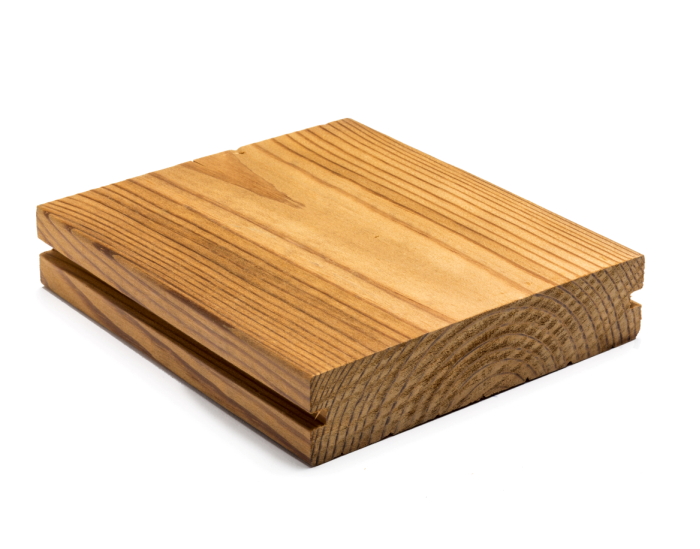
How Does Thermally Modified Lumber Improve Wood Durability and Performance?
Wood has always been sort of, a go-to building material because it has this natural beauty, is pretty versatile, and also offers strength. Still, traditional lumber can run into issues once it’s outside in the real world, like moisture and insects, fungal decay, plus the usual temperature changes. To handle all that, a lot of builders and architects are looking toward thermally modified lumber as a more durable, steadier option.
In general, thermally modified wood goes through a heat-treatment process that shifts the wood’s natural traits, and it does so without tacking on chemical preservatives. As a result, the wood tends to perform better overall, so it ends up working well in tough settings such as decking, siding, outdoor structures, and even architectural projects that need a more refined material.
Companies and suppliers, like Black Locust Lumber , keep focusing on giving high-quality options, durable timber solutions that fit modern build requirements. In this article we’ll walk through how thermally modified lumber helps improve durability in wood and also why it’s becoming a go-to selection for both professionals and homeowners.
What Is Thermally Modified Lumber?
Thermally modified lumber is basically wood that gets treated with controlled heat and steam, at high temperatures, to permanently shift its physical and chemical traits. In this phase the wood’s own cellular structure is altered , which makes it way less prone to moisture absorption , and also boosts its resistance when it faces outdoor conditions.
And unlike pressure-treated lumber, this method doesn’t lean on chemical preservatives at all. Instead , the heat itself works like a natural modifier, reshaping the wood from the inside , so you end up with a material that tends to be more stable, sturdier, and still pretty environmentally friendly.
How Does Thermally Modified Lumber Improve Durability?
1. Reduces Moisture Absorption
Moisture is one of the largest causes of wood harm. When untreated wood takes in water it may expand, shrink, warp, or even start forming cracks little by little, over time.
Thermally modified wood, instead, shows a lower moisture absorption rate since the heat treatment changes the wood fibers and makes it harder for them to hold water. Because of this, the lumber keeps its form and strength far more stable when the climate keeps changing.
For outdoor uses like decks, fences, and siding, better moisture resistance often means a longer service life and less upkeep.
2. Increases Resistance to Rot and Decay
Wood kinda naturally has sugars and assorted nutrients in it that tend to pull in fungi. When moisture shows up, these fungi can start breaking down wood fibers, and then you get that usual decay problem.
With thermal modification, the process essentially lowers those nutrient levels, so the material becomes less “wow” for decay-causing organisms. Because of that, thermally modified lumber typically handles harsher settings better, like places where ordinary wood might deteriorate way faster.
3. Improves Dimensional Stability
Wood sort of naturally expands and contracts, because humidity and temperature keep changing around it. That kind of movement can cause all sorts of trouble, like twisting, warping, and also small surface checking, it can happen over time.
Thermally modified lumber ends up with better dimensional stability, basically the heat treatment reduces how much the wood reacts to moisture swings. So it becomes a dependable option for builds where keeping a steady look matters, even if the surrounding conditions are a bit unpredictable.
4. Enhances Resistance to Insects
Some insects get attracted to untreated wood basically because of its natural compounds in the first place. With thermal modification the whole process changes those compounds , so their effect shifts and the wood becomes less appealing to a lot of wood damaging insects.
Also, even if it sounds counterintuitive, no wood product is ever 100 percent insect proof but thermally modified wood does give noticeably better protection than many untreated alternatives.
5. Extends Wood Lifespan
Since thermally modified lumber manages moisture, rot, and outdoor weather more effectively, it may last quite a lot longer than untreated wood if it’s installed right and kept up.
That longer service life means you can avoid constant fixes and repeated swapping, which ends up being a pretty cost-effective decision for bigger construction plans, especially over time.
Why Is Thermally Modified Wood Better for Outdoor Projects?
Outdoor structures are constantly gettting hit by sunlight, rain, humidity and temperature changes. These sorts of conditions can quickly mess up ordinary wood, in ways you would not really notice at first.
Thermally modified wood is meant to cope with those tough environments. It offers better dimensional stability and longer lasting performance, so it is a good choice for:
-
Decking
-
Exterior siding
-
Pergolas
-
Fencing
-
Garden structures
-
Outdoor furniture
-
Commercial landscaping projects
Architects and designers also appreciate its natural color and premium appearance, which can enhance both residential and commercial spaces.
Thermally Modified Lumber vs Traditional Wood
| Feature | Thermally Modified Lumber | Traditional Wood |
|---|---|---|
| Moisture resistance | High | Lower |
| Chemical treatment | Not required | Often required |
| Dimensional stability | Improved | More movement |
| Rot resistance | Enhanced | Depends on species |
| Outdoor performance | Long-lasting | Requires more maintenance |
The improved performance of thermally modified lumber makes it a strong alternative for projects that require durability and natural aesthetics.
Why Choose Black Locust Lumber?
Picking the right wood supplier really matters if you want things to last, like, properly long lasting. Black Locust Lumber offers premium wood products that are well known for their strength, durability , and steady performance even in pretty demanding environments.
They concentrate on sustainable materials and consistent quality so builders, architects, and homeowners can select a wood solution that has that natural beauty, but also dependable function. Honestly, it’s more like a “quiet confidence” kind of choice.
If you’re working on an outdoor deck, a landscape build , or a more formal architectural design then choosing resilient lumber can really raise the overall value, and extend the useful life of what you’re investing in.
Is Thermally Modified Lumber Environmentally Friendly?
Yes, thermally modified lumber is often seen as an environmentally responsible choice, and honestly it feels like a cleaner option too. The whole process relies on heat rather than chemical preservatives, so it ends up working out better for many uses, even when people are trying to stay mindful about the planet.
Also, when wood products last longer, there’s less waste overall. That means you’re not swapping out boards as frequently and you avoid needing replacement material so much. So thermally modified wood ends up being a common pick for green building projects, in practical terms.
Frequently Asked Questions (FAQ)
1. What makes thermally modified lumber more durable?
Thermally modified lumber becomes more durable because heat treatment reduces moisture absorption, improves stability, and increases resistance to decay and environmental damage.
2. Is thermally modified wood good for outdoor use?
Yes. It is commonly used for outdoor applications such as decking, siding, fencing, and landscaping because it performs well in changing weather conditions.
3. Does thermally modified lumber require maintenance?
Like all natural wood products, it benefits from regular cleaning and occasional finishing to maintain its appearance and extend its service life.
4. Is thermally modified wood stronger than regular wood?
Thermal modification improves durability and stability, but it may slightly reduce some mechanical properties. It is mainly valued for its resistance to moisture, decay, and movement.
5. How long can thermally modified lumber last?
With proper installation and care, thermally modified lumber can provide many years of reliable performance, especially in outdoor environments.
Final Thoughts
Thermally modified lumber is sort of changing how builders and homeowners think about wood work. When moisture resistance gets better, and the wood stays more dimensionally stable, plus it gets extra protection from decay, it turns into a durable, and also a more sustainable option than standard wood.
For jobs where performance, look, and long life truly matter, thermally modified wood feels like a good match. And when you work with seasoned suppliers, like Black Locust Lumber you can get good materials made for the demands of today construction, even when conditions get rough.
Ready to choose a longer-lasting wood solution for your next project? Explore thermally modified lumber options with Black Locust Lumber and build with confidence.