
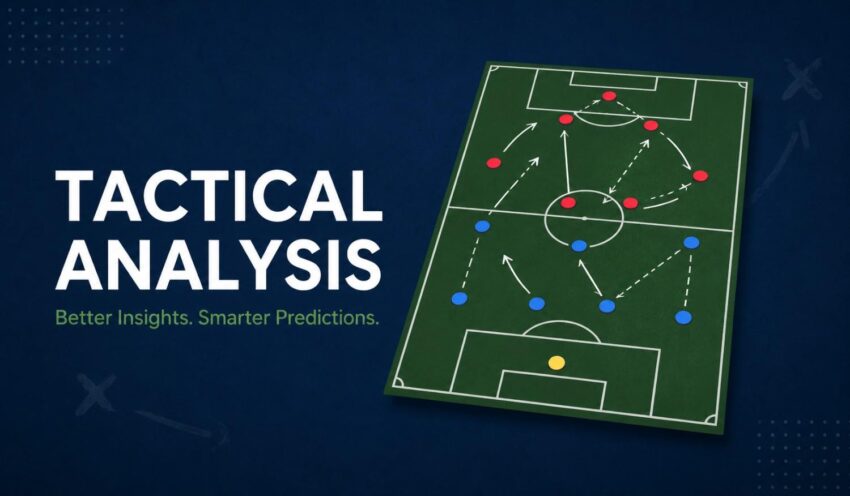
Football predictions have evolved far beyond guessing scorelines based on league tables and recent form. Modern analysts now focus heavily on tactical details because matches are often decided by structure, movement, and decision-making rather than reputation alone. A well-organised side can frustrate stronger opponents simply through intelligent positioning and disciplined pressing. That is where tactical analysis becomes essential. Supporters still love dramatic last-minute goals (and chaotic defending that causes unnecessary stress), but behind every result sits a deeper strategic story. Smart football match predictions usually begin with understanding how teams actually play — not merely how many points they collect.
Why Tactical Analysis Matters in Modern Football
Tactical analysis helps explain why some teams dominate possession while others thrive on counter-attacks and defensive discipline. Managers constantly adjust systems depending on opponents, injuries, and match importance, which means every fixture presents a different challenge. Statistics may highlight shots or possession percentages, yet they rarely reveal how space is created or why defensive lines collapse under pressure. We have all seen supporters confidently predict victories because “the form table says so” — only to watch their team struggle against a clever tactical setup. Football rarely rewards lazy assumptions, and that unpredictability keeps every weekend wonderfully chaotic.
Understanding Formations and Team Structure
Formations are more than numbers written on television graphics before kick-off. A 4-3-3 creates width and attacking pressure, while a 3-5-2 can strengthen midfield control and defensive cover. Tactical shape influences pressing patterns, passing options, and transition speed throughout the match. Successful analysts examine how players move within those systems rather than focusing only on starting positions. Football match insights become far more accurate when spacing and structure are properly understood. Some teams appear balanced until one aggressive press exposes enormous gaps between midfield and defence — suddenly the tactical plan resembles a shopping trolley missing a wheel.
Pressing, Possession, and Tactical Momentum
High pressing forces mistakes in dangerous areas, while deeper defensive systems invite pressure before launching rapid counter-attacks. Tactical momentum often changes games long before the scoreboard reflects it. A side dominating possession may still struggle if the opposition blocks passing lanes and controls central areas effectively. Possession without purpose usually produces frustration rather than goals — something supporters discover every weekend while shouting at televisions across the country. Tactical analysis identifies these subtle shifts early, helping predictions become more reliable. Football remains beautifully unpredictable, but understanding momentum and pressing intensity certainly improves the odds of reading matches correctly.
Player Roles That Influence Predictions
Individual player roles can completely reshape tactical expectations before kick-off. Creative midfielders dictate tempo, holding midfielders provide balance, and overlapping full-backs stretch defensive lines in crucial moments. Losing one intelligent player through injury or suspension often changes an entire tactical system. Analysts also study squad rotation, fatigue, and substitutions because modern football schedules rarely allow perfect preparation. Effective football match tips usually come from identifying these hidden tactical adjustments rather than chasing headline statistics. Supporters sometimes ignore these details until a missing midfielder suddenly leaves the defence looking as organised as traffic during rush hour.
How Analysts Combine Data with Tactical Observation
Modern football analysis blends advanced statistics with detailed tactical observation. Heat maps, expected goals, passing networks, and pressing numbers provide valuable context, but raw data alone rarely tells the full story. Watching matches carefully still matters because movement off the ball and defensive communication often decide outcomes. Tactical analysts identify patterns before bookmakers fully react, which creates opportunities for smarter predictions. Football remains a game of small margins, and tiny structural weaknesses can quickly become decisive. Numbers are useful, certainly — but without tactical understanding, statistics sometimes resemble expensive furniture assembled without reading the instructions properly.
Common Mistakes People Make When Predicting Football Matches
Many prediction errors begin with focusing only on league position or recent results. Tactical mismatches are frequently ignored, even though certain systems naturally cause problems for specific opponents. Overreacting to one impressive victory can also distort expectations, particularly when context is forgotten. Home advantage, pressing intensity, and game tempo often matter far more than casual observers realise. Some supporters still predict outcomes purely because a club has a famous badge and a louder fanbase — football usually punishes that kind of confidence sooner or later. Tactical analysis encourages patience, context, and deeper thinking before making conclusions.
The Growing Role of Tactical Analysis in Football Media
Football media now dedicates enormous attention to tactical breakdowns because supporters want deeper understanding beyond simple score predictions. Broadcasters analyse pressing structures, defensive positioning, and transition play using advanced graphics and match footage. Online platforms have also expanded tactical discussion, offering detailed previews and strategic insights before major fixtures. This growing demand reflects how modern fans consume football differently than previous generations. Supporters no longer settle for vague commentary about “wanting it more” when tactical evidence explains matches far better. Even casual viewers now recognise phrases like inverted full-backs and low blocks — football conversations have certainly become more sophisticated.
Conclusion
Tactical analysis has transformed the way football predictions are approached in the modern game. Results are no longer judged purely by reputation, league standings, or headline statistics because deeper strategic details often decide outcomes. Understanding formations, pressing systems, player roles, and momentum shifts creates a far clearer picture before kick-off. Football still enjoys surprising everyone occasionally — that delightful chaos remains part of its charm — but careful tactical study reduces guesswork considerably. The smartest predictions usually come from analysts willing to look beyond surface-level narratives and uncover the strategic battles quietly shaping every ninety minutes.
FAQs
What is tactical analysis in football?
Tactical analysis examines how teams organise themselves during matches, including formations, pressing systems, player movement, and attacking structure. Analysts study these patterns to understand why teams succeed or struggle in different situations. Tactical details often reveal strengths and weaknesses hidden behind basic statistics.
Can tactical analysis improve football match predictions?
Yes, tactical analysis improves prediction accuracy by identifying how teams match up stylistically. Understanding pressing intensity, defensive shape, and attacking movement provides stronger context than relying only on recent results or league positions.
Why are formations important in football analysis?
Formations shape how teams defend, attack, and control space throughout matches. Different systems create unique strengths and weaknesses, which directly influence game flow and tactical momentum.
Do statistics matter more than tactics?
Statistics and tactics work best together. Data highlights performance trends, while tactical observation explains why those trends occur and how teams create advantages during matches.
What are the best tactical indicators before a match?
Important indicators include pressing intensity, injuries, squad rotation, recent tactical setups, defensive organisation, and how teams perform during transitions between attack and defence.