
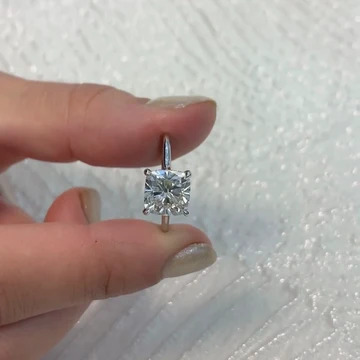
How to Choose a Diamond Shape That Complements Your Hand
Choosing an engagement ring is about more than selecting a beautiful stone. The shape of a diamond can influence how the ring looks on your finger, how long or wide your hand appears, and how well the design fits your everyday style. Since every hand has different proportions, a diamond shape that looks striking on one person may create a completely different effect on someone else.
Understanding the relationship between diamond shape, finger length, finger width, and ring proportions can make the selection process much easier. Instead of following a trend simply because it is popular, it helps to consider how the stone interacts with your natural features.
From elongated silhouettes that create the appearance of longer fingers to wider shapes that provide a balanced look on slender hands, there are several factors worth considering before making a decision.
Consider Your Finger Length and Width
One of the easiest ways to narrow down diamond shapes is to look at the proportions of your fingers. Finger length and width can influence how different cuts appear once they are placed on the hand.
If you have shorter fingers, elongated diamond shapes can create a visual effect that makes the finger appear longer. Oval, pear, marquise, and elongated cushion shapes can work particularly well because their vertical orientation draws the eye along the length of the finger.
Longer fingers offer more flexibility. Almost any diamond shape can work, depending on the style of the setting and the overall proportions of the ring. A round brilliant can provide a traditional appearance, while a cushion or emerald cut can introduce a more distinctive outline.
For wider fingers, choosing a diamond with a strong length-to-width proportion can help create visual balance. Elongated stones can provide more coverage across the finger without necessarily making the ring feel oversized. Wider diamond shapes can also work well when paired with an appropriate setting.
Those with slender fingers may prefer shapes that add some visual width. Round, cushion, radiant, and square-shaped diamonds can create a fuller appearance. The setting also plays an important role because a very thin band may make a larger stone look more prominent, while a slightly wider band can create a more balanced composition.
Match the Diamond Shape to Your Hand’s Natural Proportions
Diamond shape should not be considered separately from the rest of the ring. The band, setting, stone size, and orientation all contribute to the final appearance.
An elongated stone positioned lengthwise along the finger naturally creates a vertical line. This can be useful for someone who wants a refined, lengthening effect. The same principle explains why certain rectangular or oval silhouettes can look particularly flattering on shorter fingers.
Cushion-shaped diamonds offer another option because they combine soft corners with a substantial outline. Traditional cushion cuts tend to have a broader appearance, while elongated variations provide additional length. This difference can noticeably change how the ring sits on the hand.
The size of the diamond also matters. A very large stone may dominate a smaller hand, while a very small stone might not provide the amount of presence someone wants on a larger hand. Rather than choosing based only on carat weight, consider the diamond’s face-up dimensions and how much of the finger it visually covers.
The orientation of the stone can also influence the overall effect. A vertically positioned diamond tends to emphasize length, while a horizontal arrangement can create a wider visual impression. There is no universal rule, however. Personal preference should remain part of the decision.
Think About Your Personal Style and Ring Setting
Once you understand which shapes complement your hand, consider how those shapes fit your personal style. An engagement ring is something you may wear every day, so comfort and individuality are just as important as appearance.
Round diamonds are widely associated with traditional engagement ring designs and can work with almost any hand shape. Their symmetrical outline makes them versatile and easy to pair with different settings.
Oval diamonds offer a softer, elongated appearance. They can provide substantial finger coverage while maintaining a graceful outline. Pear-shaped diamonds introduce a distinctive point that can direct attention toward the fingertip.
Emerald cuts have long, straight facets that create a clean and structured appearance. Their broad surface can make the diamond appear substantial, particularly when paired with a simple setting.
Cushion shapes have rounded corners and a softer outline. They can suit people who want something between a classic round silhouette and a more elongated design. An elongated version can provide additional finger coverage while retaining the characteristic softened corners.
The setting should complement the diamond rather than compete with it. A solitaire setting places most of the attention on the center stone, while halo designs add surrounding detail and can make the central diamond appear larger. Three-stone settings create a broader visual footprint and can introduce additional symbolism.
Band width should also be considered. A delicate band can create an airy appearance, while a wider band can give the ring a stronger presence. If you plan to wear a wedding band alongside the engagement ring, think about how the two rings will sit together before choosing the final design.
Explore Proportions Before Making Your Final Choice
Looking at a diamond shape online can provide useful inspiration, but proportions can be difficult to judge without considering the actual measurements. Two diamonds with the same carat weight can have noticeably different appearances because their dimensions and cutting styles may vary.
Pay attention to length-to-width ratio when comparing elongated shapes. A higher ratio creates a slimmer and longer appearance, while a lower ratio produces a broader silhouette. Neither is automatically better; the right choice depends on the look you want.
It is also worth considering how the diamond will look from different angles. A ring should feel comfortable when your hand is relaxed, when your fingers are moving, and when you are holding everyday objects. The height of the setting can affect both comfort and practicality.
Your lifestyle can help determine the best design as well. Someone who frequently works with their hands may prefer a lower-profile setting that is less likely to catch on clothing. Someone who enjoys statement jewelry may be more interested in a larger center stone or a setting with additional detail.
For couples who want a distinctive silhouette without moving too far away from traditional engagement ring proportions, an elongated center stone can offer a useful middle ground. It provides noticeable length while maintaining a familiar and wearable shape.
If you are interested in exploring a design that combines softened corners with an elongated profile, browse an elongated cushion engagment ring to see how this shape can translate into a complete engagement ring design.
Look Beyond Trends When Choosing Your Ring
Jewelry trends can be helpful for discovering new styles, but they should not determine your decision entirely. Trends change over time, while an engagement ring is generally chosen with long-term wear in mind.
Start by identifying what you naturally gravitate toward. Do you prefer clean and understated jewelry, or do you enjoy pieces that attract attention? Do you usually wear delicate accessories, or do you prefer substantial designs? Your existing jewelry can provide useful clues.
It can also help to compare several diamond shapes side by side. Rather than deciding immediately, look at how each silhouette changes the visual balance of the ring. Small differences in length, width, corner shape, and setting can have a noticeable effect.
Try to evaluate the complete ring rather than focusing exclusively on the center stone. A diamond may look excellent on its own but produce a different effect once combined with a particular band and setting.
If possible, viewing rings on your hand can make the decision more straightforward. Photographs and digital images are useful for research, but seeing the proportions against your own fingers provides a better sense of scale.
Budget should also be part of the conversation. Different diamond shapes can have different pricing structures, and the same budget may provide different visual results depending on the cut. Comparing face-up size, proportions, and overall design can help you decide where you want to prioritize your spending.
Ultimately, the most flattering diamond shape is one that feels proportionate to your hand while reflecting your personality. There is no single shape that works perfectly for everyone, and that is part of what makes choosing an engagement ring personal.
For those considering an elongated cushion design, Antiquecut offers a style that brings together a lengthened silhouette, softly rounded corners, and a versatile engagement-ring profile. The shape can provide noticeable finger coverage while maintaining a balanced appearance, making it an option worth considering for different hand proportions and personal styles.
Conclusion
Choosing a diamond shape that complements your hand starts with understanding your own proportions. Finger length, finger width, diamond dimensions, setting style, and band width can all influence the way an engagement ring looks when worn.
Elongated shapes can visually emphasize finger length, while broader silhouettes can add balance and presence. The right setting can further enhance the stone, and personal style should always remain part of the decision.
Rather than choosing a diamond simply because it is fashionable, consider how the shape fits your hand, lifestyle, and everyday jewelry preferences. Take time to compare proportions and complete ring designs before making your final choice. When those details come together, the result is a ring that feels naturally suited to you and remains meaningful long after current trends have changed.