

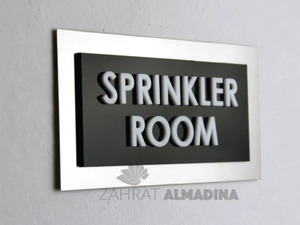
A name plate may seem like a small detail, but it helps people identify rooms, offices, homes, and workspaces. It can display a person’s name, a job title, a company name, or a room number. The right design makes information easy to read and helps keep a space organised. Before choosing a name plate, it is useful to consider where it will be placed, what information it needs to show, and which material will suit the surroundings.
People use different types of name plates for different purposes. A home name plate often displays a family name or house number, while an office version may include an employee’s name and designation. Materials such as acrylic, metal, wood, and glass offer different looks and levels of durability. Understanding these options makes it easier to select a design that meets everyday needs without spending more than necessary.
1. How a Name Plate Serves Different Purposes
The purpose of a name plate should guide its design. A plate used outside a house needs to remain readable from a distance and withstand changing weather. An indoor plate has different requirements because it does not face the same exposure to sunlight, rain, and dust.
In homes, name plates usually appear near the main entrance, on a gate, or beside the front door. They may show a family name, apartment number, or house number. Some homeowners prefer simple lettering, while others choose decorative designs that match the entrance.
In offices, name plates help visitors find employees, departments, meeting rooms, and reception areas. A plate on a desk can identify the person sitting there, while a wall-mounted version can display a department name. Clear wording and consistent placement make these signs more useful.
Schools, clinics, hotels, shops, and other workplaces also use name plates to identify rooms and staff members. In these settings, the main priority is to communicate information quickly and clearly.
2. Why Acrylic Name Plate Designs Are Popular
An acrylic name plate is a practical option for people who want a clean appearance with several design choices. Acrylic is a lightweight material with a smooth surface, and it can be produced in different colours, thicknesses, and shapes. It can also be cut to fit a particular space.
Clear acrylic creates a glass-like appearance, while black, white, and coloured sheets offer a different style. Some designs use raised letters, printed graphics, or multiple layers to create depth. The choice depends on whether the plate needs a simple finish or a more decorative appearance.
Acrylic works well for office doors, reception desks, home entrances, and indoor room identification. However, the grade of acrylic and the printing method matter. Outdoor installations need material and printing that can tolerate sunlight and weather. Not every acrylic sheet or printed finish is suitable for long-term outdoor use.
Cleaning is usually straightforward. A soft cloth and mild soapy water can remove fingerprints and dust. Abrasive pads and harsh chemicals should be avoided because they may scratch the surface or damage the finish.
3. Choosing the Right Material for Your Name Plate
Different materials suit different locations and budgets. Before making a decision, consider the expected lifespan, cleaning requirements, installation method, and appearance of each option.
Acrylic: Acrylic offers a modern look and works well for indoor office signs, desk plates, and decorative home designs. It is available in several finishes and can be cut into custom shapes.
Metal: Stainless steel and aluminium are common choices for a more formal or industrial appearance. Metal plates can suit office entrances, building directories, and outdoor identification. The correct finish and grade should be selected according to the installation environment.
Wood: Wooden name plates provide a natural appearance that suits homes, studios, and selected office interiors. They may need protective treatment if they are exposed to moisture or direct sunlight.
Glass: Glass creates a smooth, formal finish and is often used for decorative indoor signs. It needs careful handling because it can break if struck or installed incorrectly.
Plastic: Certain plastic materials provide an affordable option for basic room numbers, temporary labels, and simple identification signs. Their durability depends on the type of plastic and the conditions in which they are used.
There is no single material that suits every situation. A plate placed inside an air-conditioned office has different needs from one fixed to a gate exposed to heat and dust.
4. What to Consider When Ordering an Office Name Plate Dubai
When arranging an office name plate Dubai businesses should consider the layout of the workplace, the information visitors need, and the appearance of existing signs. A consistent design across the office makes it easier for staff and visitors to identify different areas.
Start by deciding what the plate must display. An employee’s desk plate may need only a name and job title. A door plate could include a person’s name, department, or room number. A meeting room sign may need the room name rather than an employee’s details.
Font size is another important factor. Small lettering may look neat in a design preview but become difficult to read when the plate is installed. The text should be large enough for people to read from the expected viewing distance. Simple fonts usually work better than highly decorative lettering when the plate contains several words.
In Dubai, indoor and outdoor conditions should also influence the material choice. Air-conditioned offices offer a relatively controlled environment, while entrances and external walls experience heat, dust, and direct sunlight. For outdoor use, ask about UV resistance, suitable mounting hardware, and the expected performance of the printed or engraved finish.
Before approving an order, check spelling, job titles, colours, dimensions, and the position of each line. This is particularly important when several name plates are being produced together. Correcting an approved design later may require additional production time and cost.
5. How to Select the Right Size, Font, and Colour
The size of a name plate should match its location. A small desk plate can work well when it sits close to the person reading it. A sign mounted beside an office entrance needs enough space for lettering that remains readable from a few steps away.
Measure the available area before selecting the final dimensions. Check for door handles, wall fittings, glass panels, and other objects that may affect placement. A plate that is too large can make a small entrance look crowded, while a very small plate may disappear against a wide wall.
Font selection also affects readability. Straightforward lettering is usually suitable for offices, medical rooms, and public areas. Decorative fonts can work for home entrances, but the letters should remain easy to recognise.
Colour contrast matters just as much. Dark text on a light background and light text on a dark background are common choices because they make the wording easier to see. Similar colours may look attractive together but can reduce readability, especially under poor lighting.
Keep the wording short whenever possible. A person’s name and designation are usually enough for a desk plate. Extra details should be included only when they help visitors understand who works there or where they need to go.
6. Acrylic Sandwich Photo Frame and Its Uses
An acrylic sandwich photo frame uses two acrylic panels to hold a photograph, printed image, or other flat display material between them. Depending on the design, the panels may be secured with small metal fittings, screws, or another mounting system.
This style is useful for displaying photographs in homes, reception areas, offices, and waiting rooms. Its clear panels allow the image to remain visible without a thick traditional frame. Some versions can stand on a desk, while others are designed for wall mounting.
Although an acrylic sandwich photo frame serves a different purpose from a name plate, both products can be used together in a coordinated interior. For example, a reception desk may have an acrylic name plate beside a framed company photograph. An office wall could display staff photographs alongside individual name signs.
When selecting a frame, check the dimensions of the photograph and the thickness of the panels. The fixing method should hold the panels securely without damaging the displayed image. Direct sunlight should also be considered because it may cause some photographs to fade over time.
The frame should not be treated as a substitute for a name plate when clear identification is needed. A photograph can add personality to a space, but a readable name or room label serves a more direct purpose.
7. Name Plate Design Ideas for Homes and Workplaces
A suitable design should reflect the space without making the wording difficult to read. For a home entrance, a simple acrylic plate with a family name and house number can provide clear identification. A wooden design may suit a traditional entrance, while a metal finish can complement a modern building.
Desk name plates often look best with a straightforward layout. The person’s name can appear on the first line, with the job title underneath in smaller lettering. Keeping the information organised prevents the plate from looking crowded.
Reception areas may use larger plates or wall-mounted lettering to display a company or department name. Consistent colours, fonts, and materials can help connect the reception area with the rest of the office.
For multi-room workplaces, use the same design rules across all signs. For example, keep room numbers in a consistent position and use the same font for department names. This approach helps visitors understand the signs without having to learn a different layout in every corridor.
Businesses that need several related signs can review examples from different printing and signage providers, including Zahrat Al Madina Printing, as a third-party reference when comparing materials and design approaches. The final choice should depend on the actual requirements of the workplace rather than appearance alone.
8. Installation and Maintenance Tips
Correct installation helps a name plate remain secure and readable. Before fitting it, clean and dry the mounting surface. Check whether the plate is designed for adhesive mounting, screws, stand-offs, or another fixing method.
Adhesive mounting may suit lightweight indoor plates on smooth surfaces. However, textured walls, dusty areas, moisture, and high temperatures can affect adhesion. Heavier plates and outdoor signs may require mechanical fixings appropriate for the wall or door material.
For glass doors, check that the selected fixing method is suitable for glass. Drilling glass without the correct equipment and experience can cause damage, so a compatible adhesive or professional installation may be safer.
Regular cleaning keeps the lettering visible. Use a soft cloth and a suitable cleaner for the material. Avoid sharp tools and abrasive products that could scratch acrylic, mark polished metal, or damage printed graphics.
It is also sensible to inspect outdoor plates occasionally for loose fittings, faded text, corrosion, or weather damage. If an employee changes roles or a room is repurposed, update the information promptly so visitors do not receive incorrect directions.
Final Thoughts
Choosing the right name plate involves more than selecting an attractive design. The material, dimensions, lettering, colour contrast, installation method, and location all affect how well it performs. Acrylic offers flexibility for modern designs, while metal, wood, glass, and plastic provide alternatives for different settings.
For office use, clear wording and consistent placement help visitors find people and rooms without confusion. At home, the design can reflect personal taste while displaying the necessary information. Products such as an acrylic sandwich photo frame can complement a name plate, but each item should serve its intended purpose.
By measuring the available space, checking the text carefully, and selecting a material suited to the environment, it becomes easier to choose a name plate that remains useful, readable, and appropriate for years to come.