
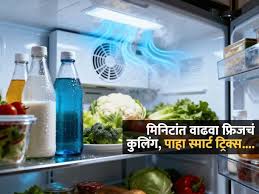
A refrigerator is one of the most important appliances in any home, working around the clock to keep food fresh and safe. However, over time, many refrigerators may lose cooling efficiency due to poor maintenance, improper usage, or worn-out components. Reduced cooling performance can lead to spoiled food, higher energy bills, and increased strain on the appliance. Fortunately, there are several practical steps homeowners can take to improve refrigerator cooling efficiency and extend the lifespan of their unit.
Why Refrigerator Cooling Efficiency Matters
A refrigerator that operates efficiently maintains consistent temperatures, preserves food quality, and consumes less electricity. When cooling performance declines, the appliance must work harder to achieve the desired temperature, leading to higher energy consumption and increased wear on critical components such as the compressor and condenser coils.
Regular maintenance and proper usage habits can significantly improve cooling efficiency and help prevent costly repairs.
Keep the Condenser Coils Clean
Why Condenser Coils Are Important
Condenser coils release heat from the refrigerator during the cooling process. Over time, dust, pet hair, and debris can accumulate on the coils, reducing their ability to dissipate heat effectively.
How to Clean Them
Locate the condenser coils, which are typically found at the back or underneath the refrigerator. Use a vacuum cleaner or a soft brush to remove dust and dirt. Cleaning the coils every six months can improve cooling efficiency and reduce energy consumption.
Check and Maintain Door Seals
Inspect the Gaskets Regularly
The rubber door seals, also known as gaskets, create an airtight barrier that prevents cold air from escaping. If the seals become cracked, loose, or dirty, warm air can enter the refrigerator, forcing it to work harder.
Keep Seals Clean and Functional
Wipe the gaskets regularly with mild soap and water. If the seals no longer provide a tight fit, replacing them can significantly improve cooling performance.
Avoid Overloading the Refrigerator
Allow Proper Air Circulation
While a moderately full refrigerator helps maintain stable temperatures, overcrowding can block air vents and restrict airflow. This can result in uneven cooling and increased workload for the compressor.
Organize Food Properly
Arrange food items so that air can circulate freely between shelves and compartments. Avoid placing items directly in front of cooling vents.
Set the Correct Temperature
Recommended Refrigerator Settings
Maintaining the proper temperature is essential for food safety and energy efficiency. The refrigerator compartment should generally be set between 35°F and 38°F (1.7°C to 3.3°C), while the freezer should be maintained at approximately 0°F (-18°C).
Avoid Extremely Low Settings
Setting the temperature lower than necessary can increase energy usage without providing additional benefits. Use a refrigerator thermometer if needed to verify accurate temperatures.
Minimize Frequent Door Openings
Reduce Temperature Fluctuations
Every time the refrigerator door is opened, warm air enters the compartment and cold air escapes. Frequent or prolonged door openings force the appliance to work harder to restore the desired temperature.
Plan Before Opening
Knowing what you need before opening the refrigerator can help reduce the amount of time the door remains open and improve cooling efficiency.
Ensure Proper Refrigerator Placement
Allow Adequate Ventilation
Refrigerators require sufficient airflow around the unit to release heat effectively. Placing the appliance too close to walls or cabinets can restrict ventilation and reduce cooling performance.
Keep Away from Heat Sources
Position the refrigerator away from ovens, dishwashers, direct sunlight, and other heat-generating appliances. Excessive external heat can make the refrigerator work harder to maintain internal temperatures.
Defrost When Necessary
Prevent Ice Build-Up
In refrigerators without automatic defrost systems, excessive frost accumulation can reduce cooling efficiency by restricting airflow and insulating cooling components.
Perform Regular Defrosting
Defrost the freezer whenever ice buildup becomes significant. Removing excess frost helps the appliance cool more effectively and operate efficiently.
Schedule Professional Maintenance
Identify Hidden Problems Early
Issues such as refrigerant leaks, faulty thermostats, malfunctioning fans, or compressor problems can reduce cooling performance without obvious warning signs. Professional inspections can detect these issues before they lead to major failures.
Extend Appliance Lifespan
Routine maintenance helps keep all components functioning properly, reducing wear and extending the refrigerator’s operational life.
Conclusion
Improving refrigerator cooling efficiency involves a combination of regular maintenance, proper usage habits, and timely repairs. Cleaning condenser coils, maintaining door seals, organizing food correctly, setting appropriate temperatures, and ensuring adequate ventilation can all contribute to better performance and lower energy costs. If your refrigerator is not cooling efficiently or requires expert servicing, Matrix HVAC & Appliances provides the best refrigerator repair, maintenance, and appliance care services. Their experienced technicians ensure optimal cooling performance, energy efficiency, and long-lasting reliability for your refrigerator.