
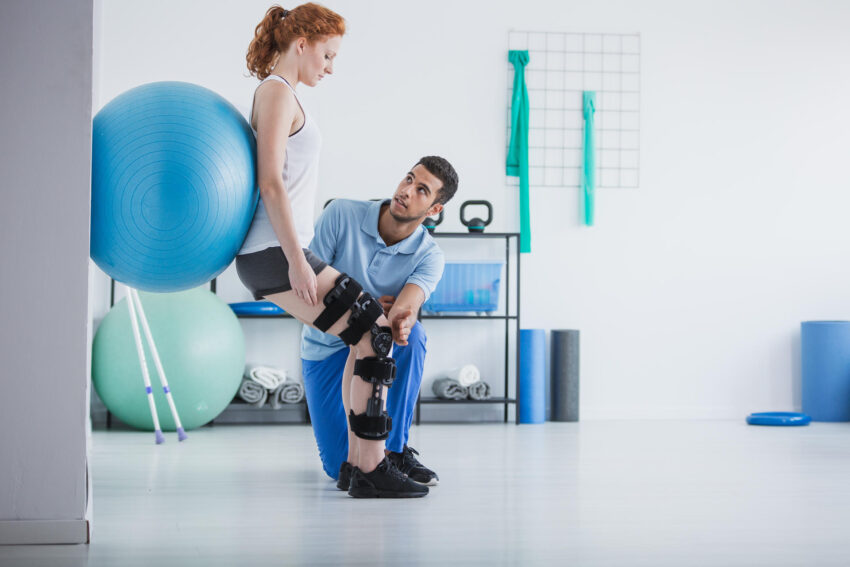
The human musculoskeletal system is a complex network of bones, muscles, ligaments, and tendons designed for movement and stability. When injury, surgery, or chronic disease disrupts this system, the path back to normalcy can feel overwhelming. This is where the science of rehabilitation becomes critical. Mastering the recovery process is not just about managing pain; it is about retraining the body to move efficiently, rebuilding strength, and preventing future injuries. In today’s healthcare landscape, the demand for specialized rehabilitation is rising as the population ages and remains active longer than previous generations.
For residents and healthcare providers in Northern Virginia, the search for effective care often leads to a specific standard of excellence. The goal is to move beyond generic exercises to a tailored approach that addresses the root cause of dysfunction. By understanding the nuances of Orthopedic Physical Therapy Ashburn, patients and businesses alike can appreciate the difference between temporary relief and long-term recovery. Whether you are an athlete looking to return to the field, a post-operative patient aiming to regain independence, or a clinic aiming to improve patient outcomes, a structured, evidence-based approach is non-negotiable for success.
Understanding Orthopedic Physical Therapy Ashburn and Its Importance
To truly master the recovery process, one must first understand what differentiates orthopedic care from standard physical therapy. Orthopedics focuses specifically on the correction of deformities, functional impairments, or deterioration of the skeletal system and its associated structures. Orthopedic Physical Therapy Ashburn represents a localized standard of this highly specialized practice, emphasizing the treatment of conditions like fractures, sprains, rotator cuff tears, and total joint replacements. The importance of this specialization cannot be overstated; a therapist trained in orthopedics possesses a deeper understanding of biomechanics and surgical protocols than a generalist. They do not merely treat the symptom of pain but perform a comprehensive biomechanical assessment to identify the kinetic chain disruptions causing the issue. This diagnostic precision ensures that the rehabilitation plan is constructed on a foundation of clinical reasoning rather than guesswork, leading to safer recoveries and a significantly reduced risk of re-injury for patients at all fitness levels.
Importance of Professional Orthopedic Care
Navigating recovery without professional guidance often leads to compensatory movement patterns that cause secondary injuries. The professional oversight provided in the field of musculoskeletal rehabilitation is vital because healing tissue requires specific, graded stress to remodel properly. When an individual attempts to self-manage a recovery, they often either rest too long, leading to stiffness and atrophy, or load the tissue too quickly, causing a setback. Professional care establishes a safe progression from passive modalities to active resistance training. Furthermore, a masterful orthopedic program is integral to the patient experience in healthcare. It bridges the gap between the surgeon’s scalpel and the patient’s return to daily life. It transforms a passive patient into an active participant in their health, utilizing education and manual therapy to empower individuals. For clinics, offering high-level orthopedic care is the single most effective way to build a reputation for clinical excellence and patient trust in a competitive market.
Core Services and Modalities in Orthopedic Rehabilitation
A comprehensive orthopedic program is never one-dimensional; it integrates a variety of services to address the complex nature of musculoskeletal healing. Typically, a treatment plan may begin with manual therapy, which includes joint mobilizations and soft tissue massage designed to reduce pain and improve tissue extensibility. This is almost always paired with therapeutic exercise, which remains the gold standard for restoring strength, endurance, and power. However, the hallmark of leading facilities offering is the integration of advanced technology with hands-on care. Modalities such as blood flow restriction training, dry needling, and high-intensity laser therapy are now common components of elite protocols. Additionally, advanced gait analysis and video motion capture allow therapists to break down movements frame by frame. These services allow for objective measurement of progress, ensuring that athletes and sedentary individuals alike are not just “feeling better,” but are actually demonstrably stronger and more stable than they were before the onset of their injury.
Choosing the Right Orthopedic Physical Therapy Provider
Selecting a provider is a decision that directly impacts the speed and quality of your recovery, making it essential to look beyond proximity and insurance coverage. The first criterion should be the credentials of the clinical staff; look for practitioners who are Board-Certified Orthopedic Clinical Specialists or hold advanced certifications in manual therapy. This demonstrates a commitment to the highest standards of the profession. Secondly, evaluate the clinic’s philosophy regarding direct patient care. You should ask whether you will be working one-on-one with a licensed Doctor of Physical Therapy for the entire session, or if care is delegated to aides. A facility known for superior will prioritize individualized attention, as this allows for immediate adjustment of techniques based on tissue response. Finally, assess the communication style of the team. The right provider will take the time to listen to your goals, explain the underlying pathology in understandable terms, and provide a clear, written plan of care that outlines the expected timeline for recovery.
Quality, Safety, and Industry Standards in Orthopedics
In the realm of healthcare, the adherence to quality and safety standards is what separates reputable practices from dangerous ones. Orthopedic therapy requires a meticulous approach to patient safety, particularly when dealing with post-surgical protocols where specific movements are contraindicated to protect healing grafts or sutures. A high-quality program adheres strictly to the evidence-based guidelines set by organizations like the American Physical Therapy Association. This includes proper charting, outcome tracking, and a rigorous focus on infection control and equipment sanitation. Furthermore, safety in orthopedics extends to the philosophy of dosing; a master clinician knows when to push a patient to the edge of their tolerance to stimulate growth and when to pull back to prevent inflammation. By maintaining a culture of safety and continuing education, a provider ensures that the techniques used for are not only effective but are delivered with the utmost professional accountability.
Benefits of Hiring or Using Professional Services
The advantages of engaging professional orthopedic rehabilitation extend far beyond the resolution of pain. From a patient perspective, the primary benefit is the restoration of functional independence; being able to lift a grandchild, walk up stairs without fear, or return to a competitive sport carries immense psychological value. From a business and insurance perspective, professional intervention is a cost-saving measure. Proper rehabilitation drastically reduces the likelihood of hospital readmissions and prevents acute injuries from becoming chronic, expensive conditions requiring surgery. Additionally, professional services provide education on injury prevention and ergonomics, granting patients the tools they need to manage their health for a lifetime. The value lies in the efficiency of the process; a master physical therapist can identify the exact mobility deficit causing a functional limitation and correct it in a fraction of the time it would take through trial and error, making the investment in high-quality care a logical financial and physical decision.
Future Trends and Industry Development in Orthopedics
The future of orthopedic rehabilitation is being shaped by significant advancements in technology and a deeper understanding of human physiology. The industry is moving rapidly toward predictive analytics and telehealth integration, where wearable technology will provide real-time data on a patient’s movement quality outside the clinic walls. This allows therapists to monitor compliance with home exercise programs and intervene before a problem becomes severe. Additionally, the field of regenerative medicine is beginning to intersect heavily with physical therapy; therapists are now developing protocols specifically designed to optimize the environment for stem cell and platelet-rich plasma treatments. As we look toward the future of the trend is clear: a shift toward a biopsychosocial model of care. This means future treatments will not only address the physical tissue but will also deeply consider the patient’s mental health, fear-avoidance behaviors, and social environment, creating a truly holistic approach to musculoskeletal health that treats the whole person, not just the injury.
Conclusion
Mastering the field of orthopedic rehabilitation requires a partnership between a skilled clinician and a motivated patient. It is a journey that moves from pain and limitation to strength and resilience through a structured, evidence-based process. The decision to seek out specialized care is a decision to invest in one’s long-term health and quality of life. For those in the DMV area, the standard for this care is defined by expert providers who prioritize advanced training and patient outcomes. The value of Orthopedic Physical Therapy Ashburn lies in its ability to provide not just a temporary fix, but a permanent solution to the mechanical failures of the human body. By choosing excellence in rehabilitation, patients ensure that their recovery is not just a return to how they were, but an improvement into who they can become.