
Introduction
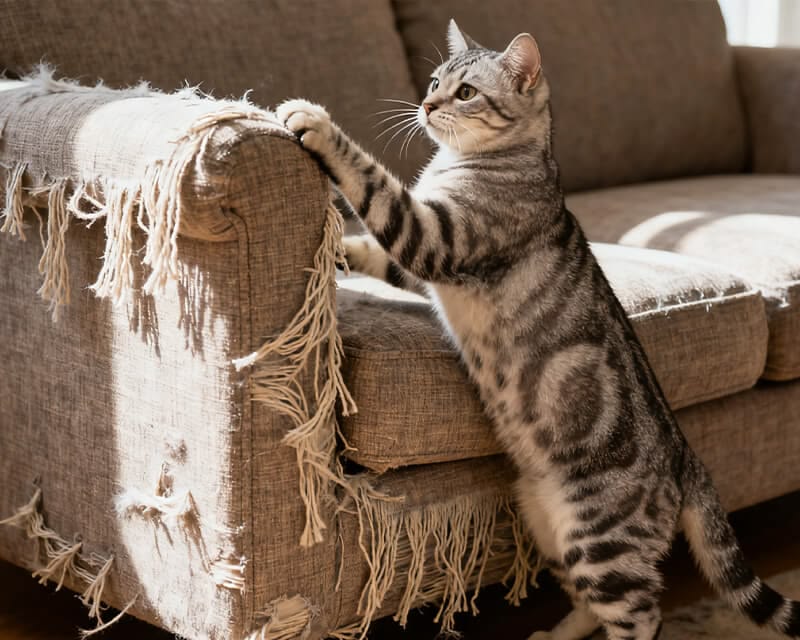
We all love our feline buddies, but let us be real for a second. Coming home after a long day at work to find your favourite living room couch shredded to pieces is an absolute buzzkill. You spend your hard-earned bucks on nice upholstery to make your place look sharp, only to have it turned into an expensive, oversized scratching pad. It is incredibly frustrating, especially when you are trying to maintain a beautiful home while keeping a strict eye on your household budget. Nobody wants to constantly shell out cash for couch repairs or heavy-duty slipcovers.
Figuring out how to stop cat scratching furniture without breaking the bank or losing your temper is entirely possible. You do not need to choose between having a stylish home and keeping your furry best friend happy and healthy. With a little bit of insight into feline habits, some smart, low-cost tweaks to your living space, and a solid game plan, you can save your upholstery and your sanity. This guide will walk you through the most effective, wallet-friendly strategies to redirect your cat’s claws where they actually belong.
Decoding Cat Scratching Behavior
To fix the problem, you first have to understand what is going on in your cat’s head. Cats do not destroy your stuff out of spite or because they are holding a grudge about dinner being five minutes late. Cat scratching behaviour is a deeply ingrained, instinctual need. When cats drag their claws down your sofa, they are doing a few very important things for their physical and mental health. First, they are stretching their back, shoulder, and leg muscles. Think of it as their daily yoga routine; they need a tall, sturdy surface to get a full-body stretch.
Secondly, scratching helps them shed the dead outer layers of their claws, keeping their natural weapons sharp and healthy. If you have ever found little crescent-shaped nail sheaths near the couch, that is exactly what is happening. Finally, cats have scent glands in their paws. When they scratch, they leave both a visual mark and a scent mark, claiming that space as their territory. Understanding that this is a biological necessity rather than a behavioural flaw is the first step in building a trust-based relationship with your pet while keeping your budget intact.
Assessing the Damage and Understanding the Attraction
Take a walk around your home and look at exactly what your cat is targeting. Are they going after the woven tweed armchair, the soft linen sofa, or the wooden legs of the dining room table? Cats have very specific textural preferences. Most of the time, they gravitate toward fabrics that allow their claws to sink in and pull without getting painfully stuck. They also prefer objects that are incredibly sturdy. A heavy couch provides the perfect resistance for a deep, satisfying muscle stretch.
By identifying exactly what your cat loves about your furniture, you can outsmart them. If they love the tall armrest of your sofa, you know you need to provide a scratching alternative that is equally tall and stable. If they prefer horizontal surfaces like your living room rug, a flat scratching pad is going to be your best bet. You do not have to guess; your cat has already left a highly visible map of their exact preferences all over your living room.
Budget-Friendly Furniture Protection From Cats
Before you can train them to use the right items, you need to make the wrong items incredibly unappealing. You do not need to spend a fortune on high-tech deterrents. Furniture protection from cats can be achieved with a few dollars and a trip to your local hardware or pet store. One of the most effective and affordable methods is using double-sided sticky tape. Cats absolutely hate the feeling of stickiness on their sensitive paw pads. By applying specialised pet-safe sticky tape directly to the corners of your couch, you instantly make their favourite scratching spot highly uncomfortable.
Another cheap and effective physical barrier is aluminium foil. While it might look a little crazy when guests come over, taping some foil to the sides of the armchair creates a texture and a sound that most cats despise. For a more aesthetically pleasing option, you can invest in clear vinyl furniture guards. These inexpensive, heavy-duty plastic sheets pin right into your upholstery, providing a slick surface that claws simply slide right off.
Choosing the Perfect Scratching Post on a Dime
Now that the couch is a no-go zone, you have to provide an acceptable alternative. If you do not give them something better to scratch, they will just find a new piece of furniture to ruin. The good news is that you do not need to buy a two-hundred-dollar cat tree to satisfy their needs. Corrugated cardboard scratchers are incredibly cheap, widely available, and surprisingly beloved by most felines. You can place several of these around the house for just a few bucks.
If your cat is a vertical scratcher, you need a post wrapped in sisal rope. Sisal is a heavy-duty, fibrous material that perfectly mimics the resistance of tree bark, which is a cat’s natural scratching post in the wild. When shopping for a post, stability is the ultimate dealbreaker. If the post wobbles or falls over the first time your cat puts their weight on it, they will never use it again. They will go right back to your heavy, reliable couch. Look for posts with wide, heavy bases, and make sure the post is tall enough for your cat to get a full extension when they stretch.
Strategic Placement to Save Your Sofa
Once you have the perfect equipment, where you put it matters just as much as what it is made of. The biggest rookie mistake pet parents make is hiding an ugly scratching post in a back bedroom or a dusty corner of the basement. Cats scratch to mark their territory, and they want to mark the socially significant areas of the home where you spend the most time. If you want to know how to stop a cat scratching furniture, you have to place the acceptable scratching alternatives exactly where the bad behaviour is currently happening.
If your cat is shredding the right armrest of your living room sofa, put the new sisal scratching post directly in front of that armrest. You are essentially offering them a better, more satisfying option right at the scene of the crime. Over time, as they begin to prefer the post, you can slowly inch it away from the couch and toward a more convenient spot in the room. But initially, proximity is everything. Make the right choice the easiest choice for them to make.
Cat Scratching Post Training Techniques
Buying the post and putting it in the right spot is only half the battle. You have to convince your cat that this new object is the best thing that has ever happened to them. Cat scratching post training requires a bit of patience and a lot of positive association. Start by rubbing a generous amount of high-quality catnip directly into the fibres of the sisal rope or the crevices of the cardboard. The scent will naturally draw them over to investigate.
You can also use their favourite wand toys to encourage interaction. Dangle a feather toy near the top of the post so that when they jump or reach for it, their claws naturally sink into the sisal material. Once they feel how satisfying the texture is, instincts usually take over. Never grab your cat’s paws and force them to scratch the post. This can frighten them and create a negative association with the object, completely defeating the purpose. Let them discover it on their own terms, guided by play and scent.
Stopping Destructive Scratching Safely
When you catch your cat in the act of tearing up your upholstery, it is completely natural to want to yell or spray them with a water bottle. However, punitive measures rarely yield good long-term results. Stopping destructive scratching is about redirection, not punishment. If you yell, your cat just learns to fear you, and they will simply wait until you leave for work to destroy the couch. It damages the bond of trust between you and your pet.
Instead of yelling, create a distraction. Clap your hands loudly to break their focus, or toss a small toy across the room. The moment they stop scratching the couch and move away, praise them. Better yet, redirect them immediately to their designated scratching post. When they use the post, act like they just won the lottery. This kind of calm, calculated redirection saves your furniture while keeping the peace in your household.
The Power of Positive Cat Behavior Training
The most effective way to shape your cat’s habits is through rewards. Positive cat behaviour training operates on the simple premise that behaviours followed by a reward will be repeated. Keep a small jar of their absolute favourite, high-value treats right next to the scratching post. Every single time you see them walk up to the post and use it, immediately offer a treat and warm verbal praise.
Cats are highly intelligent and highly food-motivated. It will not take long for them to connect the dots: scratching the couch gets them nothing but double-sided tape and a loud clap, while scratching the sisal post gets them delicious snacks and chin rubs. Consistency is key here. Everyone in the household needs to be on board with the reward system. By focusing heavily on what they are doing right, rather than punishing what they are doing wrong, you create a harmonious, stress-free home environment.
Grooming Basics: Nail Trims and Caps
A highly practical and completely free way to minimise furniture damage is regular grooming. Trimming your cat’s claws every two to three weeks blunts the sharp, needle-like tips that catch and pull upholstery threads. You do not need to pay a vet or a groomer to do this; a basic pair of pet nail clippers costs less than ten bucks. Wait until your cat is sleepy and relaxed; gently press their paw pad to extend the claw and snip just the very tip, avoiding the pink quick where the blood vessels and nerves are.
If trimming still leaves your furniture vulnerable, or if your cat absolutely refuses to let you clip their nails, consider vinyl nail caps. These are tiny, colourful plastic covers that glue safely over your cat’s natural claws. They are completely humane, very affordable, and prevent the claws from doing any damage to fabrics or human skin. They naturally fall off after a few weeks as the cat’s nail grows out, making them a fantastic, stress-free solution for heavy scratchers.
Creating a Stress-Free Environment with Pet Soul Care
Sometimes, excessive scratching is a symptom of underlying anxiety or boredom. Cats who are under-stimulated or stressed by changes in the household might take their frustrations out on your furniture. Ensuring your cat has a rich environment full of interactive toys, window perches, and safe hiding spots is crucial. When you are looking for reliable guidance and premium, budget-conscious supplies to elevate your cat’s well-being, turning to a trusted brand like Pet Soul Care makes a world of difference.
Pet Soul Care understands the real-life struggles of pet parents. They know you want the absolute best for your furry family members without emptying your wallet. From offering expert advice on behavioural issues to providing high-quality, durable solutions that stand the test of time, Pet Soul Care acts as a genuine partner in your pet parenting journey. Building trust with a brand that prioritises both your pet’s happiness and your financial peace of mind ensures you are never navigating these behavioural hiccups alone.
Conclusion
Dealing with a cat that views your living room as a personal demolition zone is incredibly stressful, but it is a highly fixable problem. You do not need to throw away your nice furniture, and you certainly do not need to resort to cruel practices like declawing. By understanding the biological necessity of scratching, utilising cheap but effective deterrents, and investing in the right textural alternatives, you can completely change your cat’s habits.
Remember that patience and consistency are your best tools. Reward the good behaviour, interrupt and redirect the bad behaviour, and keep those claws well-groomed. With a little bit of effort and the right approach, you can maintain a beautiful, intact home while allowing your cat to safely express their natural feline instincts. Your couch gets to live another day, your budget remains untouched, and your bond with your cat grows stronger than ever.