
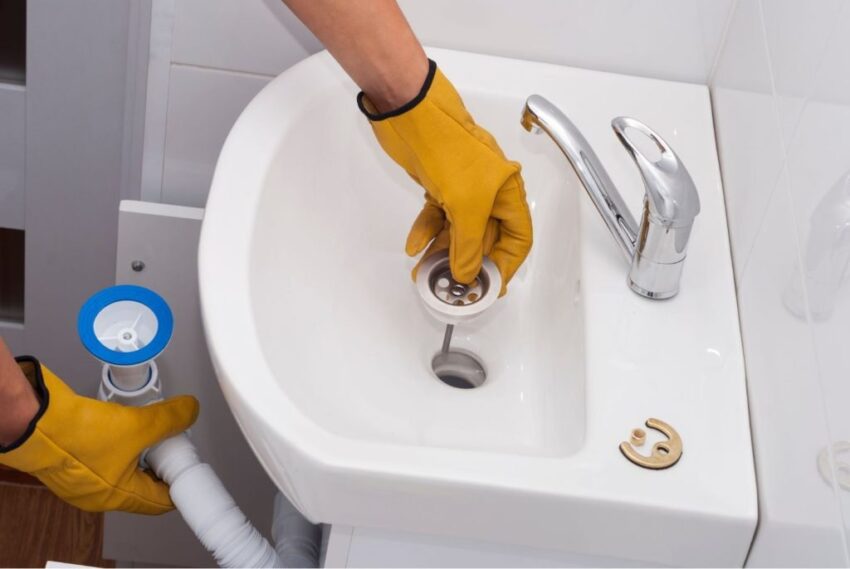
A slow or clogged drain can quickly become more than a minor household inconvenience. Standing water, unpleasant odors, gurgling sounds, and repeated backups often indicate that something is restricting the plumbing line. Professional Drain Cleaning Services can identify the cause and choose a treatment that addresses the problem instead of simply providing a temporary fix. Two of the most common methods plumbers use are drain snaking and hydro-jetting, but they work in very different ways. Understanding those differences can help property owners make a more informed decision when drainage problems appear.
Choosing the right drain-cleaning technique depends on several factors, including the type of blockage, the condition of the pipe, its location, and how frequently the problem occurs. A professional plumber normally evaluates these conditions before deciding whether mechanical snaking, high-pressure water jetting, or another approach is appropriate. This assessment matters because aggressive cleaning is not always necessary, while a simple cable may not completely remove heavy buildup. Reliable Drain and Sewer Services focus on diagnosing the underlying issue before recommending a solution.
What Is Drain Snaking?
Drain snaking is a traditional mechanical method used to break through or remove blockages inside plumbing lines. A plumber feeds a flexible cable, often called a drain auger, into the affected pipe until it reaches the obstruction. The rotating cable can punch through materials such as hair, paper, soap residue, or other debris that has restricted the flow. Depending on the equipment and blockage, the cable may also grab material and pull it back through the drain. This makes snaking a practical option for many localized clogs.
One advantage of snaking is that it can often restore drainage relatively quickly without requiring extensive equipment. Professional plumbers have different cable sizes and specialized heads designed for particular types of obstructions. However, snaking does not necessarily scrub the entire interior surface of a pipe. If grease, mineral scale, sludge, or organic buildup remains attached to the pipe walls, the drain may eventually become restricted again. For this reason, recurring blockages may require a more thorough cleaning method.
How Hydro-Jetting Works
Hydro-jetting uses specialized equipment to send highly pressurized water through a plumbing line. Instead of simply creating a narrow opening through a clog, the water can scour the interior walls of the pipe and break apart accumulated debris. Depending on the equipment and plumbing system, professional technicians can select different nozzles and pressure settings for the job. The process can remove grease, sediment, sludge, scale, and other materials that have accumulated over time. Because it cleans a larger portion of the pipe interior, hydro-jetting can provide a more comprehensive solution for suitable plumbing systems.
Hydro-jetting is especially useful when a drain problem is caused by substantial buildup rather than a single small obstruction. Restaurants, commercial facilities, older properties, and homes with recurring drainage issues may benefit from this approach when the plumbing is suitable for high-pressure cleaning. However, hydro-jetting should not automatically be considered the better choice in every situation. A professional should first determine whether the pipe can safely withstand the selected pressure and whether another issue, such as a damaged or collapsed section, is responsible for the blockage.
Hydro-Jetting vs. Snaking: Key Differences
The biggest difference between these two methods is how they treat the blockage. Snaking uses a mechanical cable to break through or remove an obstruction at a specific point, while hydro-jetting uses pressurized water to clean much more of the pipe’s interior. Snaking can be effective when a straightforward blockage is preventing normal drainage. Hydro-jetting is generally more useful when heavy buildup has accumulated along the pipe walls. The appropriate choice therefore depends on the condition and cause of the drainage problem rather than simply the severity of the symptoms.
Another important difference involves long-term maintenance. A drain may appear clear after snaking because the cable creates enough space for wastewater to pass, but some residue can remain inside the pipe. That remaining material can contribute to another blockage later. Hydro-jetting can remove a greater amount of buildup when conditions are appropriate, potentially helping maintain better flow through the cleaned section. Even so, no cleaning method can guarantee that a drain will never clog again, particularly when underlying plumbing defects or improper disposal habits remain.
When Professional Snaking May Be the Better Choice
Snaking can be a sensible first option for a relatively simple and localized drain obstruction. For example, a bathroom sink clogged with hair or a toilet experiencing a manageable blockage may not require the intensity of hydro-jetting. Mechanical drain equipment can often address these problems efficiently while using less water and simpler equipment. A professional technician can select the correct cable and attachment to reduce the risk of damaging the plumbing. This approach can also be appropriate when the immediate goal is to reopen a blocked line and restore normal flow.
Snaking may also be preferable when a plumber has concerns about the condition of an older or fragile pipe. High-pressure water is powerful, and its use requires an understanding of the pipe material, condition, and configuration. If inspection suggests that the plumbing system is deteriorated, cracked, or otherwise compromised, the focus may need to shift from aggressive cleaning to repair or replacement. Experienced Drain Cleaning Services providers consider these factors before choosing equipment. That diagnostic step helps prevent treating a symptom while overlooking a more serious plumbing problem.
When Hydro-Jetting Makes More Sense
Hydro-jetting becomes particularly valuable when a blockage is associated with extensive grease, sludge, mineral deposits, or other material coating the inside of a pipe. It can also be useful when a property experiences repeated clogs despite previous snaking attempts. Instead of repeatedly opening a small passage through the obstruction, a plumber may use water pressure to clean a larger section of the line. This can be especially beneficial for commercial kitchens and properties where drains regularly handle substantial amounts of wastewater and residue. Properly performed hydro-jetting can provide a deeper level of cleaning than conventional cable methods.
Recurring sewer-line problems can also require a broader evaluation than a single drain treatment. If several fixtures begin draining slowly at the same time, the issue may exist farther down the plumbing system rather than inside one individual fixture. Professional Drain and Sewer Services can investigate the main line, inspect suspected trouble spots, and determine whether cleaning, repair, or another solution is appropriate. In some cases, a camera inspection can help identify root intrusion, cracks, severe scaling, or structural defects before cleaning begins. This information allows the plumber to select a method based on evidence rather than guesswork.
How Professionals Decide Which Method to Use
A qualified plumber usually starts by asking about the symptoms, how long they have been present, and whether previous attempts have temporarily resolved the issue. The technician may then inspect accessible plumbing components and determine where the restriction is likely located. For complicated or recurring problems, a plumbing camera can provide a clearer view of the pipe interior. This type of inspection can reveal whether the issue is a simple obstruction or something more significant. The information gathered during diagnosis helps determine whether snaking, hydro-jetting, repair, or another service is appropriate.
Pipe material and condition are also important considerations. A modern, structurally sound plumbing line may be a good candidate for hydro-jetting when significant buildup is present, while a severely deteriorated line may require a different strategy. The technician also considers the size and configuration of the pipe, the type of blockage, and the accessibility of the affected section. Professional equipment should be operated by trained personnel who understand appropriate pressure levels and cleaning techniques. This is one reason professional evaluation is preferable to attempting high-pressure drain cleaning without the right knowledge or equipment.
Preventing Future Drain and Sewer Problems
The best drain-cleaning strategy is only part of maintaining a reliable plumbing system. Property owners can reduce the likelihood of blockages by avoiding the disposal of grease, cooking oil, wipes, paper products, and other unsuitable materials through drains. Hair catchers can help limit the amount of debris entering bathroom plumbing, while regular maintenance can identify developing problems before they become emergencies. Commercial properties may need more frequent cleaning because of heavier usage and the types of waste entering their drainage systems. Simple preventive habits can complement professional plumbing maintenance and extend the time between service calls.
It is also important to pay attention to early warning signs. Slow drainage, recurring backups, foul odors, bubbling sounds, and water that rises in unexpected fixtures can indicate a developing plumbing issue. Ignoring these symptoms may allow buildup or another restriction to become more severe. Scheduling an inspection when problems repeatedly return can help identify whether the drain needs deeper cleaning or whether the plumbing itself requires attention. Professional Drain and Sewer Services can provide guidance based on the property’s plumbing configuration and the specific symptoms being experienced.
Final Verdict: Hydro-Jetting or Snaking?
Neither hydro-jetting nor snaking is universally better because each method serves a different purpose. Snaking is often effective for localized clogs that can be mechanically broken apart or removed, making it a practical choice for many routine blockages. Hydro-jetting is more comprehensive and can be particularly useful when grease, sludge, scale, or other buildup has accumulated throughout a suitable pipe. The right decision should be based on the cause of the problem, the condition of the plumbing, and the results of a professional assessment. Choosing the method for the actual problem can produce better results than relying on a one-size-fits-all approach.
When drainage problems become recurring, professional evaluation is especially valuable. A qualified plumber can determine whether the issue is a simple obstruction, accumulated buildup, tree-root intrusion, structural damage, or another underlying concern. Professional Drain Cleaning Services can then recommend the least invasive method that is reasonably capable of resolving the problem effectively. For larger or more complex issues, comprehensive Drain and Sewer Services may include inspection, cleaning, repair, and preventive maintenance. In the end, the goal is not simply to make water move again, but to restore dependable drainage while protecting the plumbing system for the long term.