
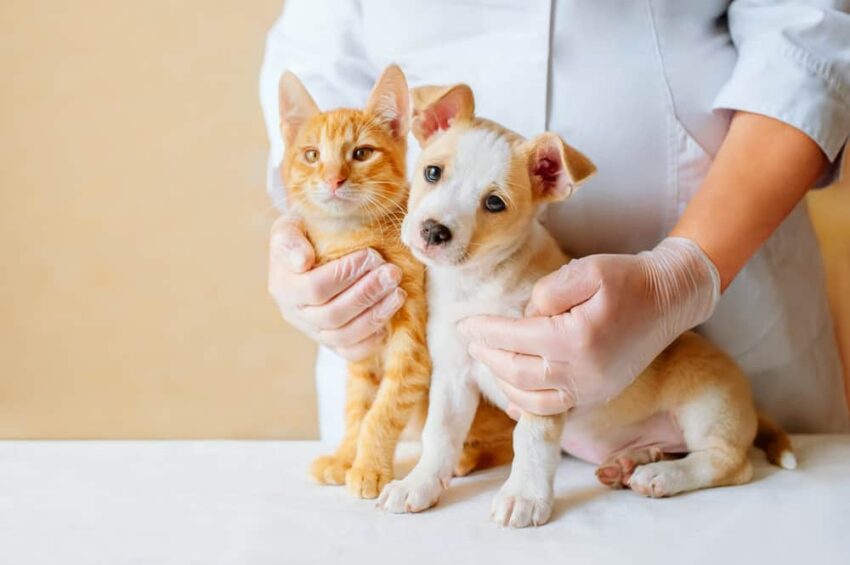
Getting your cat spayed is one of the most responsible decisions you can make as a pet owner. It prevents unwanted litters, lowers the risk of certain cancers, and removes the chance of a painful uterine infection called pyometra later in life. But like any surgery, a spay procedure goes a lot more smoothly when you prepare properly beforehand.
What Exactly Happens During a Spay?
A spay, medically known as an ovariohysterectomy, involves the removal of a female cat’s ovaries and uterus under general anaesthetic. The procedure usually takes around 20 to 30 minutes, though your cat will need extra time in the clinic before and after for sedation and recovery monitoring.
Most cats go home on the same day, and while the operation itself is routine and very safe, how you prepare and care for your cat around it makes a real difference to her comfort and recovery speed.
Before Surgery: What You Need to Do
1. Follow the Fasting Instructions Closely
Your vet will likely ask you to withhold food from your cat for a set number of hours before surgery, usually overnight. This reduces the risk of vomiting or aspiration while she is under anaesthetic. Water is typically fine right up until the morning of the procedure unless told otherwise.
Kittens under four months old often need a small breakfast a few hours before their appointment since their blood sugar can drop quickly, so always double check the specific instructions given by your clinic rather than assuming a blanket rule applies.
2. Keep Her Indoors the Night Before
If your cat has access to the outdoors, bring her inside the evening before her appointment. This stops her from eating something you don’t know about, wandering off, or getting into a scrap that could complicate the surgery. It also makes the morning much less stressful when it is time to pop her in the carrier.
3. Use a Secure, Comfortable Carrier
Cats pick up on stress easily, so transport her in a sturdy, secure carrier rather than trying to hold her in your arms or on your lap. A familiar blanket or something with her scent on it inside the carrier can help keep her calm on the drive over.
4. Confirm Vaccination and Health Records
Most clinics want proof of current vaccinations before performing surgery, and if your cat is not up to date, they may recommend a vaccine at the same visit. If your cat has any pre-existing health conditions, has been unwell recently, or is on any medication, tell your vet in advance so they can plan the anaesthetic accordingly.
5. Ask About Pre-Surgery Blood Tests
For older cats or those with underlying health concerns, a vet may suggest a blood test beforehand to check organ function and confirm she is fit for anaesthesia. This is not always necessary for young, healthy cats, but it is worth asking about if you have any concerns.
6. Prepare a Recovery Space at Home
Set up a quiet, warm, low-traffic room before you even leave for the clinic. A small space like a laundry or spare bathroom works well because it limits her ability to jump or climb while she is groggy. Have soft bedding, a litter tray, food, and water ready to go so everything is calm and simple when she gets home.
7. Consider Whether You Need an E-Collar or Recovery Suit
Most cats need something to stop them licking or chewing at the incision while it heals. An Elizabethan collar (the classic cone) is the most reliable option, but soft recovery collars and surgical onesies are gentler alternatives many cats tolerate better. It is worth having one ready at home rather than scrambling for one after the surgery.
The Day of Surgery
Drop-off mornings are usually quick. The vet team will run through the consent form, confirm fasting, and give you a rough pickup window. It is completely normal to feel a bit anxious handing your cat over, but modern anaesthetic protocols make this a very low-risk procedure for healthy cats.
While she is in surgery, the vet will:
- Place her under general anaesthetic and monitor her vitals throughout
- Remove both ovaries and the uterus through a small abdominal incision
- Close the incision, usually with dissolvable internal sutures and surgical glue on the skin, meaning no stitches to remove later
- Often apply a small identifying tattoo near the incision, which is standard practice and not an extra wound
Bringing Her Home: What to Expect
The First 24 Hours
Your cat may seem groggy, wobbly, or unusually clingy or vocal as the anaesthetic wears off. This is completely normal. Keep her confined to the recovery space you set up, away from other pets and young children, and let her rest undisturbed as much as possible.
Offer a small amount of water that evening, and only a quarter to half of her usual meal once she is fully alert. Do not be alarmed if she skips dinner entirely; appetite often takes a day or so to return properly. Avoid giving milk, table scraps, or anything outside her normal diet, as unusual food can mask genuine post-surgical symptoms and upset her stomach further.
Managing Pain and Medication
Your vet will usually give a long-acting pain injection during surgery and may send you home with additional pain relief. Only ever give medication that has been prescribed for your cat, at the dose and schedule provided. Never give human painkillers such as paracetamol or ibuprofen, as these are toxic to cats and can be fatal even in small amounts.
Restricting Activity
For at least seven to ten days, your cat needs to avoid jumping, climbing, running, and rough play. This is often the hardest part of aftercare, since cats bounce back mentally well before their internal stitches have fully healed. Block off access to high furniture, keep other pets separated if they tend to play roughly, and keep her indoors for the full recovery window even if she normally goes outside.
Protecting the Incision
Check the incision daily. A small amount of redness or mild swelling in the first few days is normal, but you should contact your vet promptly if you notice:
- Ongoing or worsening swelling, redness, or bruising
- Discharge, pus, or a bad smell
- The wound reopening or separating
- Excessive bleeding
- Your cat constantly biting, licking, or scratching at the site
Keep the incision dry. Avoid bathing her or applying any creams, powders, or ointments unless your vet specifically recommends it.
Watching for Bigger Warning Signs
Beyond the incision itself, contact your vet if your cat shows any of the following in the days after surgery:
- Lethargy that lasts more than 24 to 48 hours
- Repeated vomiting or diarrhoea
- Pale or very white gums
- Difficulty breathing or laboured breathing
- Straining to urinate or not urinating at all
- Complete loss of appetite beyond a day or two
Most of these are rare, but catching them early makes treatment far simpler and less stressful for everyone.
Common Questions Cat Owners Ask
How long until she’s back to normal? Most cats feel noticeably brighter within two to three days and are close to their usual selves within a week, though full internal healing takes closer to ten to fourteen days. It is important to stick to the restricted activity period even once she seems fine, since the internal healing lags behind her energy levels.
Can I leave her home alone the day after surgery? It is best to have someone check on her regularly for the first 24 to 48 hours rather than leaving her completely unsupervised, particularly while she is still shaking off the anaesthetic.
Will her personality or weight change afterwards? Spaying does not change a cat’s core personality, though some become slightly calmer once hormonal cycles stop. Metabolism can slow a little after the procedure, so keep an eye on her food portions over the following months and adjust if she starts gaining weight.
Is it too late to spay an older cat? Not at all. While spaying is often recommended between four and six months of age, healthy adult cats can be safely spayed later in life too. Your vet may simply recommend extra pre-surgical checks for older cats.
A Quick Pre-Surgery Checklist
- Confirmed fasting times with your vet
- Cat kept indoors the night before
- Vaccination records up to date
- Secure carrier ready for transport
- Recovery room set up with bedding, water, and litter tray
- E-collar or recovery suit on hand
- Vet’s after-hours contact number saved in your phone
Final Thoughts
Spay surgery is routine, safe, and genuinely beneficial for your cat’s long-term health, but a smooth experience comes down to good preparation and attentive aftercare. Knowing what to expect beforehand takes a lot of the stress out of the process for both you and your cat, and gives her the calm, supported recovery she needs to heal well.
If anything about your cat’s recovery seems off, trust your instincts and call your vet. It is always better to ask a question that turns out to be nothing than to overlook something that needed attention.