

Acne scars can affect the appearance and texture of the skin long after active acne has disappeared. Uneven skin texture, visible marks, and changes in pigmentation may make the complexion look less smooth. For individuals looking to improve these concerns, advanced laser treatments offer an option for addressing different types of acne-related skin changes. Pico Laser Treatment in Abu Dhabi is one approach that attracts attention because of its use of ultra-short laser pulses to target selected skin concerns.
Whether this treatment is suitable for acne scars depends on the type of scarring, skin condition, and desired results. Some people experience flat, discoloured acne marks, while others have indented scars that affect the skin’s surface. Understanding how pico laser technology works and what it may achieve can help individuals make informed decisions about their skincare goals.
What Is Pico Laser Treatment?
Pico laser treatment is a non-surgical cosmetic procedure that uses extremely short pulses of laser energy to target specific skin concerns. Unlike traditional laser technologies that may rely more heavily on heat, pico lasers deliver energy in picoseconds, which are trillionths of a second. This rapid delivery can help break down selected pigment particles while limiting the duration of energy exposure.
The treatment is commonly associated with pigmentation concerns, uneven skin tone, and certain types of acne marks. Depending on the device and treatment settings, it may also support improvements in skin texture by stimulating processes involved in skin renewal.
Pico laser technology is not a single solution for every type of acne scar. Its suitability depends on whether the primary concern involves pigmentation, superficial textural changes, or deeper depressions in the skin.
How Does Pico Laser Treatment Help With Acne Scars?
Acne scars can develop when inflammation associated with acne affects the skin’s natural healing process. Some marks remain visible because of excess pigmentation, while other scars form when collagen production or tissue repair is disrupted.
Pico laser treatment may help address certain acne-related concerns by delivering focused energy to targeted areas. For pigmented marks, the laser can break down excess pigment into smaller particles that the body gradually clears. This may help improve the appearance of lingering brown or dark marks left behind after acne.
Certain pico laser devices and treatment techniques may also encourage collagen remodelling. Collagen is an important structural protein that supports skin firmness and texture. When appropriate settings are used, the treatment may help improve selected superficial textural irregularities over time.
However, results vary according to scar depth, skin characteristics, and the specific technology used. Deep, narrow scars or pronounced depressions may require a different or combined treatment approach to achieve meaningful improvement.
Is Pico Laser Treatment in Abu Dhabi Suitable for Different Acne Scar Types?
Understanding the type of acne scarring is essential when considering laser treatment. Not all marks left by acne are true scars, and different concerns may respond differently to the same procedure.
Pigmented Acne Marks
Flat brown or dark marks that remain after a breakout are often caused by post-inflammatory hyperpigmentation. These marks do not necessarily involve permanent changes to the skin’s structure.
Pico laser treatment may help reduce selected areas of excess pigmentation and create a more even-looking complexion. The outcome depends on the cause of the discolouration, the individual’s skin tone, and the treatment settings selected.
Shallow Textural Scars
Some people develop mild irregularities in skin texture after acne heals. Depending on the device and technique, pico laser treatment may help improve the appearance of selected superficial textural changes.
The degree of improvement varies, and multiple sessions may be considered as part of an individual treatment plan.
Deep or Indented Acne Scars
Deep scars, including narrow ice-pick scars and more pronounced boxcar scars, involve structural changes beneath the skin’s surface. Pico laser treatment alone may not provide sufficient improvement for these concerns.
A qualified practitioner can assess the depth and pattern of the scars and determine whether another procedure or a combination of treatments would be more appropriate.
What Skin Benefits Can Pico Laser Treatment Offer?
One potential benefit of pico laser technology is its ability to target specific pigmentation concerns with short energy pulses. For people whose primary concern is lingering acne marks, this approach may gradually reduce the contrast between affected areas and surrounding skin.
The treatment may also contribute to a more balanced-looking complexion when pigmentation and selected superficial irregularities are present together. As the skin responds over time, some individuals may notice that their complexion appears more uniform.
Another consideration is that pico laser procedures can be adapted to different treatment goals. The device, wavelength, energy level, and technique can influence how the skin responds. Personalised settings are particularly important when treating pigmentation in a range of skin tones.
It is important to maintain realistic expectations. Pico laser treatment does not guarantee completely scar-free skin, and improvements may be more noticeable in pigmentation than in deep scarring.
How Many Sessions May Be Needed for Acne Scars?
The number of sessions required varies from person to person. Factors such as the type of acne scars, the extent of pigmentation, skin response, and treatment technique can influence the overall plan.
Some pigmentation concerns may begin to show improvement after an initial session, while more persistent marks or textural irregularities may require a series of treatments. Sessions are generally spaced apart to allow the skin time to recover and respond.
Progress is usually evaluated over time rather than immediately after treatment. Changes in pigmentation and collagen remodelling can develop gradually, so the final appearance may differ from the initial result.
An individual assessment can help establish a suitable treatment schedule based on the condition of the skin and the goals being addressed.
What Should You Expect During Pico Laser Treatment?
The process typically begins with an assessment of the skin and the acne marks or scars being treated. The practitioner examines pigmentation, scar depth, skin tone, and any ongoing acne activity before deciding whether pico laser treatment is appropriate.
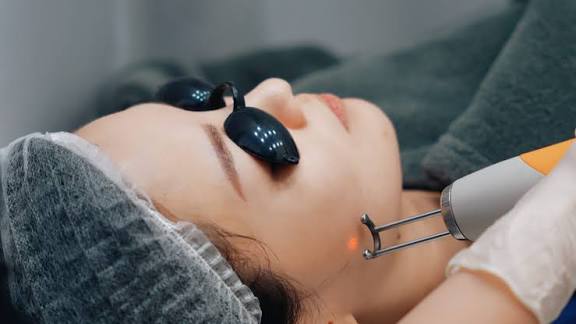
The treatment area is prepared, and protective eyewear is used. The laser device is then passed over selected areas to deliver controlled pulses of energy. The duration depends on the size of the treatment area and the treatment plan.
After the procedure, following the recommended aftercare instructions is important. Gentle skincare, appropriate moisturisation, and consistent sun protection can help support the skin’s recovery and reduce the likelihood of further pigmentation changes.
Individuals should also discuss active acne before proceeding. Managing ongoing breakouts can be an important part of preventing new marks and scars from developing.
How Can You Maintain Results After Pico Laser Treatment?
Maintaining results involves protecting the skin and following a consistent skincare routine suited to individual needs. Sun exposure can make pigmentation more noticeable, particularly in skin that is prone to post-inflammatory discolouration. Broad-spectrum sunscreen and appropriate sun-protection habits are therefore important.
Avoiding unnecessary irritation can also support the skin’s recovery. Skincare products should be selected according to skin sensitivity and professional recommendations, especially during the recovery period.
It is equally important to manage acne that continues to develop. New inflammatory breakouts may leave additional marks, making it difficult to maintain a more even complexion. An appropriate acne-management plan can complement procedures intended to improve existing scars.
Follow-up assessments help determine how the skin is responding and whether further treatment is appropriate.
Who May Be a Suitable Candidate for Pico Laser Treatment?
Pico laser treatment may be worth considering for individuals who have persistent pigmented acne marks, uneven skin tone, or selected superficial textural concerns. People seeking a non-surgical approach to improving the appearance of their complexion may also wish to explore this option.
Suitability cannot be determined by acne scars alone. Skin tone, sensitivity, previous treatments, current acne activity, and the tendency to develop pigmentation all influence treatment decisions.
Individuals with deep scars may need an alternative approach, while those with active inflammatory acne may benefit from addressing the ongoing condition first. A professional skin assessment helps clarify what the procedure can realistically achieve.
Conclusion
Is Pico Laser Treatment in Abu Dhabi good for acne scars? It can be a useful option for certain acne-related skin concerns, particularly flat pigmented marks and selected superficial textural irregularities. Its effectiveness depends on the type and severity of scarring, the laser technology used, and the individual’s skin characteristics.
Although pico laser treatment may help create a more even-looking complexion, it is not equally effective for every scar type. Deep or established indentations may require other approaches, and some individuals may benefit from a combination of treatments.
A personalised assessment, realistic expectations, appropriate aftercare, and consistent sun protection are important parts of the process. Understanding these factors can help individuals decide whether pico laser technology aligns with their goals for smoother, clearer-looking skin.
FAQs
Is Pico Laser Treatment in Abu Dhabi effective for acne scars?
It may help improve pigmented acne marks and selected superficial textural irregularities. Results depend on the type of scarring, skin characteristics, and treatment technique.
Can pico laser treatment remove acne scars completely?
Complete removal cannot be guaranteed. The treatment may reduce the visibility of certain marks, but deep or indented scars often require different or combined approaches.
Is pico laser treatment suitable for dark acne marks?
It may help improve some forms of post-inflammatory hyperpigmentation. A skin assessment is important because pigmentation concerns and skin tones respond differently to laser treatment.
How long does it take to see results from pico laser treatment?
Some pigmentation changes may become noticeable after an initial session, but improvement often develops gradually. Textural changes associated with collagen remodelling may take longer to become apparent.
How many pico laser sessions are needed for acne scars?
The required number varies according to scar type, pigmentation, and individual response. A personalised treatment plan can help establish the appropriate number and spacing of sessions.
Can pico laser treatment improve uneven skin texture?
Certain devices and techniques may improve selected superficial textural irregularities. Deep scars may respond less effectively and could require alternative procedures.
Is pico laser treatment suitable for every skin type?
Not necessarily. Skin tone, sensitivity, pigmentation tendencies, and the type of laser used affect suitability. Individual assessment and appropriate treatment settings are important.
Can pico laser treatment help prevent new acne scars?
The procedure primarily addresses existing marks and selected scars rather than preventing acne itself. Managing active breakouts is important for reducing the likelihood of new acne-related marks.
What should be done after pico laser treatment?
Follow the recommended aftercare instructions, use suitable moisturising products, protect the skin from sunlight, and avoid unnecessary irritation while the skin recovers.
How can someone determine whether pico laser treatment is right for their acne scars?
A qualified skincare practitioner can examine the scars, identify whether pigmentation or structural damage is the main concern, and discuss the likely benefits and limitations of pico laser treatment.