

Hair loss can affect confidence, appearance, and everyday comfort, especially when thinning hair becomes more noticeable over time. Many people explore modern hair restoration options to improve hair density and support healthier growth. But is PRP Treatment In Abu Dhabi effective for hair loss, and what results can individuals realistically expect?
PRP therapy has become a popular option for people experiencing certain types of hair thinning. Its potential benefits depend on the underlying cause of hair loss, the condition of the hair follicles, and the individual’s response to treatment. Understanding how the procedure works, who may benefit, and how long results can take helps people make informed decisions about their hair restoration journey.
What Is PRP Treatment for Hair Loss?
Platelet-Rich Plasma therapy is a regenerative procedure that uses a concentrated portion of a person’s blood containing platelets and growth factors. Platelets play an important role in the body’s natural healing processes. During PRP treatment, a small blood sample is collected and processed in a specialised centrifuge to separate the platelet-rich portion from other blood components.
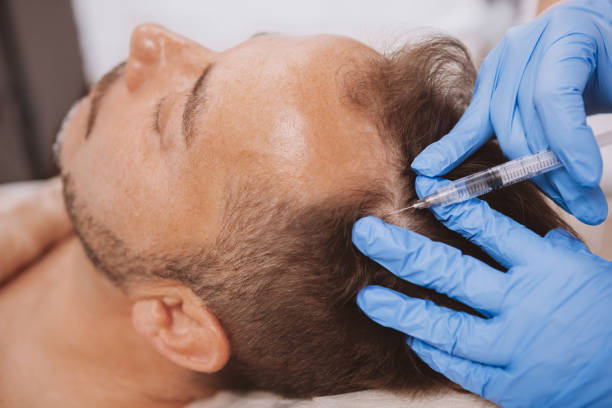
The prepared plasma is then administered into selected areas of the scalp using small injections. The purpose is to deliver concentrated platelets to areas where hair is becoming thinner. Growth factors released by platelets may support cellular activity around hair follicles and help create a more favourable environment for hair growth.
PRP does not create new hair follicles where none remain. Instead, it aims to support existing follicles that may still be active but are producing thinner or weaker hair. This distinction is important when evaluating whether PRP treatment is appropriate for a particular pattern of hair loss.
Is PRP Treatment In Abu Dhabi Effective for Hair Loss?
PRP treatment can be effective for some people experiencing hair thinning, particularly those with early-stage androgenetic alopecia, commonly known as pattern hair loss. Research suggests that PRP may improve hair density and thickness in selected individuals, although treatment outcomes vary.
The treatment works by concentrating platelets and growth factors that may influence the environment surrounding hair follicles. These biological signals are being studied for their potential role in supporting follicular activity and extending the active hair growth phase.
However, PRP is not a guaranteed solution for every type of hair loss. Its effectiveness depends on factors such as the cause of thinning, the amount of existing follicular activity, the stage of hair loss, and the treatment protocol. People with extensive hair loss or inactive follicles may experience less noticeable improvement.
A proper assessment of the scalp and the underlying cause of hair loss is therefore an important starting point. This helps determine whether PRP is a reasonable treatment option or whether another approach may be more suitable.
How Does PRP Treatment Support Hair Growth?
Hair grows through a repeating cycle that includes growth, transition, and resting phases. Changes in this cycle can contribute to thinning, reduced hair density, and increased shedding.
PRP therapy aims to support the scalp environment by delivering a concentrated preparation of platelets to selected areas. Platelets release growth factors involved in tissue repair and cellular communication. These factors may help support the activity of existing hair follicles and encourage healthier hair production.
Researchers are continuing to investigate the precise mechanisms behind PRP therapy. Although the biological explanation is promising, individual responses are not identical, and the treatment does not reverse every process responsible for hair loss.
The most important consideration is whether the follicles in the affected areas retain enough activity to respond. This is one reason early evaluation may be useful when thinning first becomes noticeable.
Who May Benefit From PRP Treatment In Abu Dhabi?
PRP therapy may be considered by adults experiencing gradual hair thinning, reduced hair density, or early pattern hair loss. It may be particularly relevant when hair follicles remain present but produce finer strands than before.
Individuals who have noticed widening part lines, reduced volume around the crown, or gradual thinning near the hairline may wish to explore whether PRP is suitable for their condition. Treatment decisions should be based on an assessment rather than appearance alone.
The underlying cause of hair loss matters because not every condition responds in the same way. Hair thinning may be associated with hormonal influences, inherited patterns, nutritional deficiencies, certain medical conditions, or temporary changes in the hair growth cycle.
PRP is not a universal treatment for all these causes. Identifying the reason for hair loss helps establish realistic expectations and supports a more appropriate treatment plan.
What Happens During a PRP Hair Treatment Session?
The procedure generally begins with an assessment of the scalp and a discussion of hair loss patterns, treatment goals, and relevant medical history. This evaluation helps determine which areas may benefit from treatment.
A small blood sample is collected and placed in a centrifuge. The centrifuge separates the blood components, allowing the platelet-rich plasma to be prepared for application.
The plasma is then injected into selected areas of the scalp. The process is designed to deliver platelets near the follicles that need support. The length of a session depends on the size of the treatment area and the protocol being used.
The number and spacing of sessions vary according to individual needs and the approach recommended by the treating professional. Some treatment plans begin with a series of sessions before considering maintenance treatments.
How Long Does PRP Treatment Take to Show Results?
PRP treatment does not produce instant hair growth because hair follicles follow a natural growth cycle. Changes usually become noticeable gradually rather than immediately after the procedure.
Some people may begin observing improvements in hair shedding or texture within the first few months, while visible changes in density can take longer. A meaningful assessment often requires several months because hair growth occurs slowly.
Results depend on the condition of the follicles, the cause of hair loss, and the consistency of the treatment plan. Not everyone experiences the same degree of improvement, and some individuals may see only modest changes.
Photographs taken before treatment and at regular intervals can help track progress more objectively. Comparing images under similar lighting and from similar angles can make subtle changes easier to identify.
Can PRP Treatment Improve Hair Thickness and Density?
One of the main goals of PRP therapy is to support existing follicles so that they may produce stronger-looking hair. In suitable candidates, treatment may contribute to improved hair density, increased strand thickness, and a fuller appearance.
These outcomes are particularly relevant for people whose hair has gradually become finer. Even a moderate improvement in thickness may make the scalp less visible and help hair appear more voluminous.
Nevertheless, results should be evaluated realistically. PRP cannot guarantee complete restoration of a previous hairline or the same density a person had earlier in life. The degree of improvement depends on the number of responsive follicles and the individual’s biological response.
For this reason, treatment goals should focus on achievable improvements rather than complete regrowth.
Is PRP Treatment Better Than Other Hair Loss Treatments?
PRP offers a different approach from conventional hair loss treatments because it uses a concentrated blood component rather than relying solely on medication or surgical restoration. However, it is not automatically better than other options.
Different treatments address hair loss through different mechanisms. Some medications help slow pattern hair loss or support continued growth, while hair transplantation relocates existing follicles to selected areas. PRP aims to support follicular activity in areas where hair is thinning.
The most appropriate option depends on the diagnosis, the stage of hair loss, personal preferences, and treatment goals. In some cases, PRP may be considered alongside other evidence-based treatments rather than as a standalone solution.
A personalised assessment can clarify which approach is most appropriate and whether combining treatments may offer additional benefits.
How Can You Maintain Results After PRP Treatment?
Maintaining the results of PRP therapy involves understanding that hair loss can be a continuing process. Even when treatment produces an improvement, the underlying factors contributing to thinning may remain active.
A professional may recommend follow-up assessments to monitor hair density and determine whether additional sessions are appropriate. Maintenance schedules differ because individuals respond differently and may have different patterns of hair loss.
It is also important to reassess progress over time rather than assuming that one course of treatment will provide permanent results. If hair thinning continues, the treatment strategy may need to be reviewed according to the underlying diagnosis.
Consistent monitoring helps establish whether the original goals have been achieved and whether further treatment is likely to be useful.
Conclusion
PRP Treatment In Abu Dhabi can be a promising option for people experiencing certain types of hair thinning, especially when hair follicles remain active. By delivering concentrated platelets to selected scalp areas, the procedure aims to support follicular activity and encourage improvements in hair thickness and density.
However, its effectiveness varies according to the cause and stage of hair loss, the treatment protocol, and individual response. Realistic expectations, an accurate assessment, and regular progress monitoring are essential when considering PRP therapy.
For individuals looking to address thinning hair without immediately pursuing surgical restoration, PRP may be worth discussing as part of a personalised hair restoration plan. Understanding its potential benefits and limitations makes it easier to choose an approach that aligns with individual hair growth goals.
FAQs
Is PRP Treatment In Abu Dhabi effective for all types of hair loss?
PRP may help selected individuals, particularly those with early pattern hair loss and follicles that remain active. It is not equally effective for every cause of hair thinning. Identifying the underlying condition is essential before deciding on treatment.
How many PRP sessions are usually needed for hair loss?
The number of sessions depends on the severity of thinning, the treatment protocol, and the individual’s response. A series of initial sessions is commonly used, followed by an assessment to determine whether maintenance treatment is appropriate.
Can PRP treatment regrow hair in completely bald areas?
PRP generally aims to support existing follicles rather than create new ones. Areas where follicles are no longer capable of producing hair are unlikely to show substantial regrowth from PRP alone.
When can results from PRP hair treatment become visible?
Some individuals notice changes within a few months, but visible improvements in hair density may take longer. Hair growth is gradual, so progress should be evaluated over several months rather than immediately after treatment.
Is PRP treatment suitable for both men and women?
PRP may be considered for both men and women experiencing certain types of hair thinning. Suitability depends on the cause of hair loss, scalp condition, and the presence of responsive follicles.
Can PRP treatment be combined with other hair restoration options?
Yes, PRP may be incorporated into a broader hair restoration plan when appropriate. The combination depends on the diagnosis, existing treatments, and individual goals. A professional assessment helps determine whether combining approaches is beneficial.
Does PRP treatment provide permanent hair restoration?
PRP should not be considered a guaranteed permanent solution. Benefits may vary and can require ongoing monitoring. The underlying cause of hair loss may continue to affect hair density even after an initial improvement.