
Choosing the right textile can completely change the appearance, comfort, and functionality of a garment. From richly patterned traditional outfits to lightweight contemporary dresses and everyday clothing, different materials serve different purposes. Jacquard fabric, chiffon fabric, and cotton fabric are three widely appreciated textile choices because each offers a distinctive combination of texture, appearance, comfort, and versatility. Understanding their differences makes it easier to select a suitable material for clothing, home décor, festive wear, and seasonal fashion.
Today’s fabric market offers an impressive range of textures, blends, finishes, and designs. Consumers are increasingly interested not only in appearance but also in comfort, durability, maintenance, and suitability for specific occasions. Jacquard fabric, chiffon fabric, and cotton fabric continue to remain relevant because they can accommodate very different fashion requirements. Whether someone wants an elegant saree, a breathable summer outfit, a sophisticated kurta, or decorative upholstery, knowing how these textiles behave can lead to a more practical purchase.
Understanding Jacquard Fabric
Jacquard fabric is recognized for its woven patterns, which are created directly through the weaving process rather than simply being printed onto the surface. This construction can produce intricate motifs, raised textures, floral designs, geometric patterns, and elaborate traditional appearances. Depending on the fibers used, jacquard can range from relatively lightweight materials to heavier textiles suitable for jackets, upholstery, curtains, ethnic clothing, and formal garments.
One of the biggest attractions of jacquard fabric is its dimensional appearance. Because the pattern is incorporated into the weave, the material often looks more luxurious and structured than a simple printed textile. It is especially popular for festive clothing, wedding outfits, blouses, jackets, lehengas, and decorative interiors. Modern manufacturing has also introduced lighter jacquard options that provide greater flexibility, allowing designers to use the textile beyond traditional heavy garments.
Why Jacquard Remains Popular
The visual depth of jacquard fabric makes it suitable when a garment needs an impressive finish without depending heavily on additional surface decoration. Designers can select subtle woven patterns for sophisticated everyday fashion or dramatic motifs for ceremonial clothing. Its structured nature can also help certain garments maintain their shape.
However, jacquard is not a single fiber category. It describes a weaving technique, meaning the final characteristics depend on whether cotton, silk, polyester, viscose, or blended fibers are used. Buyers should therefore check the fiber composition before purchasing because weight, breathability, softness, durability, and washing requirements can vary considerably.
Exploring Chiffon Fabric
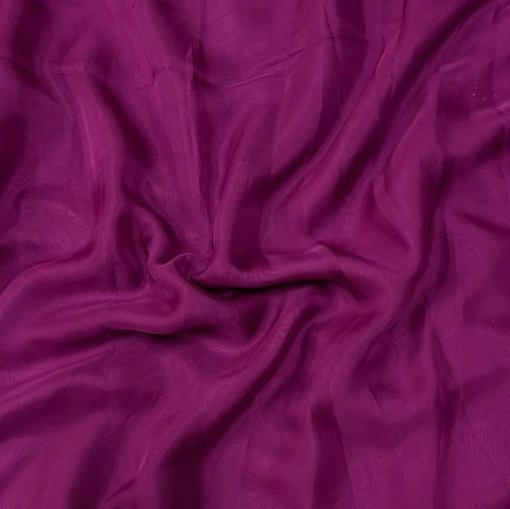
Chiffon fabric is known for its lightweight, airy, and slightly sheer character. Traditionally associated with elegant draping, it is frequently used for sarees, dupattas, scarves, overlays, gowns, evening dresses, sleeves, and flowing fashion details. Its delicate movement creates a graceful silhouette, making it particularly appealing for garments designed around softness and fluidity.
The appeal of chiffon fabric lies in the way it responds to movement. Instead of creating a stiff or structured appearance, it falls naturally and can add layers without making an outfit look excessively heavy. Depending on its fiber composition, chiffon may be made from silk or synthetic fibers such as polyester. Synthetic chiffon is often chosen for affordability and easier maintenance, while silk versions can offer a particularly refined hand feel and luxurious appearance.
Where Chiffon Works Best
Because chiffon fabric can be translucent, it is commonly layered over another material when used for clothing. This creates opportunities for stylish combinations involving contrasting colors, embroidery, embellishments, or textured inner layers. It is particularly effective in festive and occasion wear where movement and elegance are important.
At the same time, chiffon requires careful handling. Its lightweight construction can be more vulnerable to snagging than heavier textiles, and rough surfaces or unsuitable accessories may damage the fabric. Proper storage, gentle washing, and careful ironing are therefore important for maintaining its appearance.
Discovering Cotton Fabric
Cotton fabric remains one of the most practical textile choices because of its comfort, breathability, and broad range of applications. Made from natural cotton fibers, it can be woven or knitted into numerous constructions, including lightweight summer materials, sturdy workwear textiles, soft shirting, printed fabrics, and absorbent household products.
The popularity of cotton fabric is strongly connected with everyday comfort. It generally feels pleasant against the skin and can work particularly well in warm conditions. Cotton is used for shirts, trousers, dresses, kurtas, sarees, children’s clothing, bedding, towels, and countless other products. Its versatility also allows manufacturers to create different finishes and weights for specific purposes.
Choosing Cotton for Everyday Clothing
For regular wear, cotton fabric offers a practical balance between comfort and usability. Lightweight cotton can be excellent for hot weather, while thicker varieties provide greater structure and durability. Printed cotton is also widely used because it can deliver colorful patterns without sacrificing the familiar feel associated with natural fibers.
Cotton does have some considerations. Certain cotton textiles can shrink if washed or dried incorrectly, and some constructions wrinkle more easily than synthetic alternatives. Nevertheless, appropriate care can significantly extend their useful life.
Jacquard vs Chiffon vs Cotton
The following comparison provides a quick overview of how jacquard fabric, chiffon fabric, and cotton fabric differ in everyday use.
|
Feature |
Jacquard Fabric |
Chiffon Fabric |
Cotton Fabric |
|
Main Character |
Textured and patterned |
Light and flowing |
Soft and breathable |
|
Typical Look |
Rich and structured |
Sheer and elegant |
Natural and versatile |
|
Common Uses |
Festive wear, jackets, décor |
Sarees, gowns, dupattas |
Shirts, kurtas, dresses, bedding |
|
Best Feature |
Intricate woven designs |
Graceful drape |
Everyday comfort |
|
Care |
Depends on fiber |
Usually requires gentle handling |
Generally easy to maintain |
Although jacquard fabric, chiffon fabric, and cotton fabric can all be used in fashion, they create noticeably different results. Jacquard is generally selected when texture and visual richness matter, chiffon when fluid movement is desired, and cotton when breathability and practical comfort are priorities.
How to Select the Right Fabric
Selecting between jacquard fabric, chiffon fabric, and cotton fabric should begin with the purpose of the finished product. For a wedding or festive garment requiring structure and decorative appeal, jacquard may be a strong choice. For an outfit that needs flowing layers and graceful movement, chiffon may be more suitable. For everyday clothing, particularly in warm weather, cotton often provides a more comfortable solution.
Other factors should also influence the decision, including season, garment design, expected frequency of use, maintenance requirements, budget, and personal preference. A fabric that looks beautiful in a showroom may not be ideal for a garment that needs frequent washing. Similarly, an extremely lightweight textile may not provide enough structure for a tailored outfit. Considering the entire use case leads to better results than selecting material based only on appearance.
Current Fabric Trends
Modern fashion is increasingly focused on combining traditional textile aesthetics with contemporary designs. This has helped jacquard fabric, chiffon fabric, and cotton fabric remain relevant across changing trends. Designers are experimenting with mixed textures, subtle patterns, layered silhouettes, lightweight constructions, and more versatile styling approaches.
Consumers are also paying greater attention to fabric quality, longevity, and responsible purchasing. Natural fibers, recycled fibers, improved manufacturing processes, and durable blends are becoming more visible in the textile marketplace. Rather than following a single material trend, current fashion increasingly values textiles that match the intended use while providing a desirable balance of appearance and practicality.
Simple Fabric Care Tips
Proper maintenance can preserve the appearance and useful life of jacquard fabric, chiffon fabric, and cotton fabric. Always check the garment’s care label because fiber blends and finishes can change the recommended cleaning method.
- Use gentle washing methods for delicate textiles and avoid unnecessary friction.
- Keep lightweight fabrics away from sharp accessories and rough surfaces.
- Store garments in a clean, dry environment with enough space to prevent crushing.
- Use suitable ironing temperatures according to the fiber composition.
FAQs
Is jacquard fabric suitable for festive clothing?
Yes. Its woven patterns and structured appearance make it particularly suitable for festive outfits, blouses, jackets, lehengas, and other garments where a rich visual effect is desirable.
Is chiffon fabric good for summer?
Chiffon can be comfortable in warm weather when used in suitable garment designs because it is lightweight and airy. However, the actual comfort depends on its fiber composition, lining, layering, and garment construction.
Why is cotton fabric popular for everyday clothing?
Cotton is widely preferred for everyday clothing because it is generally breathable, comfortable, versatile, and available in many weights and constructions. It can be adapted to shirts, dresses, kurtas, children’s clothing, and home textiles.
Can these three fabrics be used together?
Absolutely. Combining jacquard fabric, chiffon fabric, and cotton fabric can create interesting contrast. For example, a structured jacquard base can be paired with a chiffon overlay, while cotton can provide a comfortable lining or supporting layer.
Which fabric is easiest to maintain?
Cotton is often relatively straightforward to maintain, although care varies by weave, finish, color, and blend. Chiffon may require more delicate handling, while jacquard care depends heavily on the fibers incorporated into its construction.
Conclusion
Jacquard fabric, chiffon fabric, and cotton fabric each bring distinct qualities to modern textiles. Jacquard offers intricate woven designs and a sophisticated structured appearance, chiffon provides lightweight elegance and flowing movement, while cotton delivers dependable comfort and versatility for everyday use. None is universally better than the others because the ideal choice depends on the garment, occasion, climate, desired appearance, and maintenance expectations.
Understanding these differences allows shoppers and designers to make more informed textile decisions. Whether the goal is creating an elaborate festive outfit, a graceful occasion-wear silhouette, or comfortable daily clothing, selecting the appropriate material is an important part of achieving the desired result. With thoughtful selection and proper care, these versatile fabrics can continue to serve both traditional and contemporary fashion needs.