
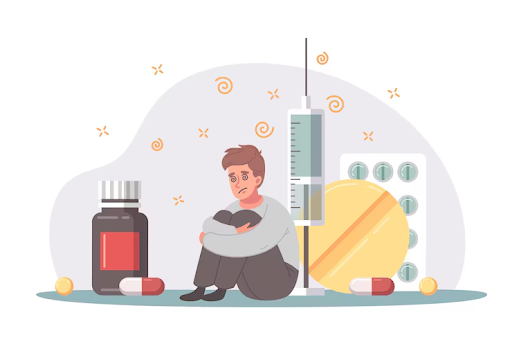
Ketamine use has risen sharply across the UK in recent years, with government surveys recording the highest number of adult users ever tracked, particularly among 16 to 24-year-olds. Originally developed as a medical anaesthetic, the drug has become increasingly popular recreationally, and treatment services are now reporting a steady rise in people seeking help each year. Understanding ketamine addiction is important because what often starts as occasional recreational use can progress quickly into dependency, bringing serious physical, psychological, and social consequences. This article looks at how dependency develops, the health risks involved, the legal status of the drug, and what treatment options are typically available for those affected.
Recognising the Signs
Ketamine dependency often develops through a growing tolerance, meaning users need larger doses over time to achieve the same effect. Common warning signs include persistent cravings, difficulty stopping despite wanting to, and continued use even when it is clearly causing harm to health, work, or relationships. Psychological symptoms such as low mood, anxiety, and a sense of detachment from reality frequently accompany regular use. Behavioural changes, including withdrawing from friends and family, losing interest in previously enjoyed activities, or prioritising use above other responsibilities, are also common indicators that use has moved beyond casual or occasional.
Physical and Mental Health Risks
Prolonged use is associated with serious physical harm, most notably damage to the bladder and kidneys, sometimes referred to as ketamine bladder syndrome, which can cause severe pain, incontinence, and in advanced cases, permanent organ damage. Mentally, long-term use has been linked to depression, anxiety, memory problems, and in some cases symptoms resembling psychosis, including hallucinations and paranoia. While ketamine addiction does not always produce the same physical withdrawal seen with substances like alcohol or opioids, the psychological dependency it creates can be equally difficult to overcome without proper support and guidance.
Legal Status and Wider Risks
Ketamine is classified as a Class B drug in the UK, meaning possession can carry significant legal consequences, including a prison sentence or an unlimited fine. Beyond the legal risks, ketamine’s effects on coordination, judgement, and pain perception can leave users vulnerable to accidental injury, particularly at higher doses. Mixing ketamine with alcohol or other depressants further increases the risk of serious harm, including overdose. These combined physical, psychological, and legal risks make early recognition and intervention particularly important for anyone showing signs of dependency.
Approaches to Treatment
Treatment typically begins with a thorough assessment to understand the extent of use and any related physical or mental health concerns. Many people benefit from a combination of individual counselling and group therapy to address both the psychological triggers behind their use and the practical steps needed for recovery. For those with more severe addiction, a structured rehab residential stay may be recommended, offering round-the-clock support in a controlled environment free from everyday triggers, alongside a personalised treatment plan tailored to individual needs.
Long-Term Recovery and Support
Recovery does not end once initial treatment is complete. Ongoing support, whether through continued therapy, peer support groups, or regular check-ins, plays a significant role in maintaining progress and reducing the risk of relapse. For individuals recovering from ketamine addiction, family involvement and education can also help create a more supportive environment while they rebuild their life after dependency. Because psychological dependence on ketamine can persist even after physical symptoms ease, many treatment providers place strong emphasis on relapse prevention planning as a core part of aftercare.
Conclusion
Ketamine addiction can develop quickly and carries significant risks to physical health, mental wellbeing, and personal safety if left unaddressed. Recognising the early warning signs and seeking professional support can make a substantial difference to long-term outcomes. With the right combination of assessment, therapy, and structured care, recovery is achievable, and many people find that specialist support through an addiction rehab centre provides the foundation needed to move forward with confidence.