
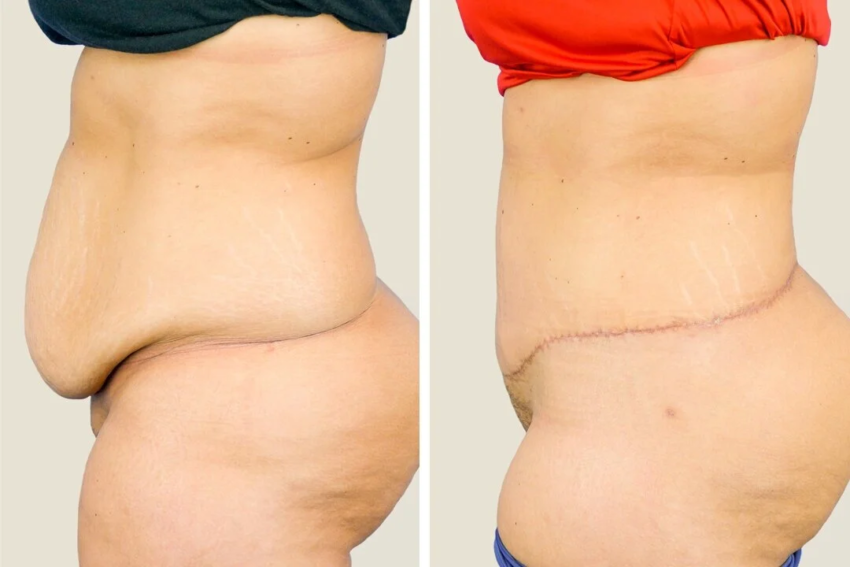
Choosing liposuction is not only about the visible change in body shape. The recovery period is an equally important part of the experience, because swelling, bruising, tenderness, and temporary changes in body contour can make the early result look very different from the outcome. Understanding this process before treatment can help patients prepare realistically and avoid judging their results too soon.
Liposuction Before and After is primarily a body-contouring procedure designed to remove localized fat deposits that may be resistant to diet and exercise. It is not intended to replace weight-loss treatment, and the final appearance depends on factors such as the treatment area, amount of fat removed, skin elasticity, technique, overall health, and how the body heals.
Immediately after surgery, patients commonly experience swelling and soreness. Bruising may also appear around the treated areas. Compression garments are frequently recommended as part of the recovery plan, while strenuous activity is generally restricted during the early healing period. The body continues changing gradually as swelling settles and tissues heal.
Before-and-after photographs can therefore be useful, but they should be viewed with the timing of the images in mind. A photograph taken shortly after surgery does not represent the final result. Some clinics note that noticeable improvement develops over several weeks, while more complete results may continue becoming apparent over several months.
What to Expect During Liposuction Recovery
The first few days are usually focused on rest, monitoring and controlling discomfort. Swelling can make the treated area appear larger or uneven, which is not necessarily an indication of the final outcome. Patients may also notice temporary numbness or tightness around the treatment area.
During the first couple of weeks, bruising and soreness generally begin to improve. Light daily activities may gradually become easier, depending on the extent of surgery and the surgeon’s instructions. Heavy exercise and activities that place significant strain on the treated areas should generally be avoided until the surgeon considers them appropriate.
Over the following weeks, swelling continues to decrease. Body contours may become more defined, although subtle unevenness can remain while the tissues settle. Some patients return to many normal activities relatively early, but complete healing takes longer than simply feeling comfortable enough to resume everyday tasks.
By around four to six weeks, the contour can become considerably clearer, although the healing process is not necessarily finished. Dynamic Life Clinics, for example, describes complete healing as potentially taking four to six weeks, with final results continuing to develop over three to six months.
Clinic Options to Consider
Hasan Surgery
Hasan Surgery provides VASER liposuction among its body-contouring procedures and states that treatment suitability is determined through an individual pre-operative assessment. Its website also identifies Dr. Hasan Ali as a specialist plastic surgeon, while the Dubai Health Authority lists an active Specialist Plastic Surgery licence associated with Hasan Surgery FZ LLC.
For patients comparing recovery expectations, an important advantage of a detailed consultation is the opportunity to discuss the treatment area, expected swelling, activity restrictions and realistic timelines before deciding on surgery. The specific recovery experience can differ considerably between a smaller treatment area and more extensive body contouring.
Dynamic Life Clinic
Dynamic Life Clinics offers liposuction and describes a consultation-based approach involving treatment planning and discussion of individual goals. Its published recovery information notes that swelling and soreness are particularly relevant during the early period, with gradual improvement over subsequent weeks.
Patients considering Liposuction here can use the consultation to ask how the selected technique may influence downtime, when compression garments should be worn, when work can be resumed and when exercise can safely restart. These details should always be individualized rather than based solely on a general recovery calendar.
Dr Juan Carlos, Dubai
Dr. Juan Carlos Barrera Rojas is a multidisciplinary plastic and cosmetic surgeon whose published areas of expertise include liposuction and body contouring. His practice also highlights body-sculpting technologies including J-Plasma and BodyJet.
For patients interested in before-and-after comparisons, his website includes a dedicated section featuring liposuction results. Such images can help patients understand the type of contour change that may be achievable, although photographs cannot predict an individual’s exact outcome.
Tajmeels Clinic
Tajmeels Clinic offers liposuction as part of its plastic surgery services and describes customized treatment planning according to the patient’s body-contouring goals. Its published information notes that recovery can take several weeks to months, with improvement becoming more visible progressively rather than immediately.
This gradual timeline is important when reviewing before-and-after photographs. Early postoperative images may show significant swelling, while later photographs can provide a clearer indication of the developing contour. Patients should also ask about the expected downtime for their particular treatment area rather than relying on a general estimate.
Enfield Royal Clinic
Enfield Royal Clinic offers liposuction as part of its plastic surgery services and describes an individualized approach to body contouring. Its Dubai information highlights surgical planning, advanced facilities, and attention to safety from consultation through recovery.
For someone considering Liposuction, the consultation should be used to establish realistic expectations for swelling, bruising, compression, mobility and the gradual development of the final contour. The clinic also states that consultations involve reviewing the patient’s concerns, goals and medical history before recommending an appropriate treatment approach.
How to Choose the Right Clinic for Liposuction
Experience and Qualifications
The surgeon’s qualifications and experience should be among the first considerations. Patients can ask about specialist training, experience with the planned technique and how frequently the surgeon performs body-contouring procedures.
Technology and Techniques
Different liposuction approaches may be appropriate for different patients. Traditional suction techniques, VASER-assisted approaches and other technologies may be used depending on the treatment area and surgical objectives. The important point is not simply choosing the newest technology, but understanding why a particular technique has been recommended.
Safety Standards
A reputable surgical setting should have appropriate medical facilities, qualified staff, anesthesia arrangements, and systems for managing potential complications. Patients should also receive clear instructions about medications, warning signs and follow-up appointments.
Consultation Process
A good consultation should feel like a medical assessment rather than a sales discussion. The surgeon should review medical history, examine the areas being considered and explain what can realistically be achieved.
Patient Experience
Recovery support matters. Patients should know who to contact if they have concerns after surgery and when follow-up assessments are scheduled. Clear communication can make the recovery period easier to manage.
Expected Results
Before-and-after photographs should be interpreted carefully. Factors such as skin elasticity, body proportions, fat distribution and healing response can influence the outcome. A responsible surgeon should explain both the potential benefits and limitations rather than promising an identical result to someone else’s photograph.
Frequently Asked Questions
How long does swelling last after liposuction?
Swelling usually improves gradually rather than disappearing immediately. Much of the visible swelling may settle during the first several weeks, while residual swelling can take longer to completely resolve.
When can someone return to work after liposuction?
The timing depends on the extent of treatment and the type of work. Someone with a desk-based role may return sooner than someone whose job involves lifting, prolonged standing or physical exertion. The surgeon should provide personalized clearance.
When can exercise be resumed?
Light movement is generally encouraged once the surgeon considers it safe, but strenuous exercise should be postponed during the early healing period. The exact timeline depends on the procedure and individual recovery.
When will the final liposuction result be visible?
The body continues changing as swelling decreases and tissues settle. Some improvement can be visible within weeks, but the final contour may take several months to become fully apparent. Dynamic Life Clinics, for example, states that full results may become visible within three to six months.
Can unevenness during recovery be normal?
Temporary unevenness can occur while swelling resolves at different rates across the treated area. However, significant asymmetry, increasing pain, unusual drainage, fever or other concerning symptoms should be discussed promptly with the treating medical team.
Conclusion
Understanding the recovery process can make the transition from surgery to the final result much easier to navigate. Swelling, bruising, soreness and temporary changes in contour are common considerations during the early stages, while the body’s final shape develops progressively over the following weeks and months.
Liposuction is to choose a qualified surgical team, have realistic expectations, and follow the personalized recovery instructions provided after treatment. Before-and-after photographs can offer useful context, but every patient’s healing journey is different. A thorough consultation remains the most reliable way to understand the expected recovery period, potential results, and factors that may influence the outcome.