

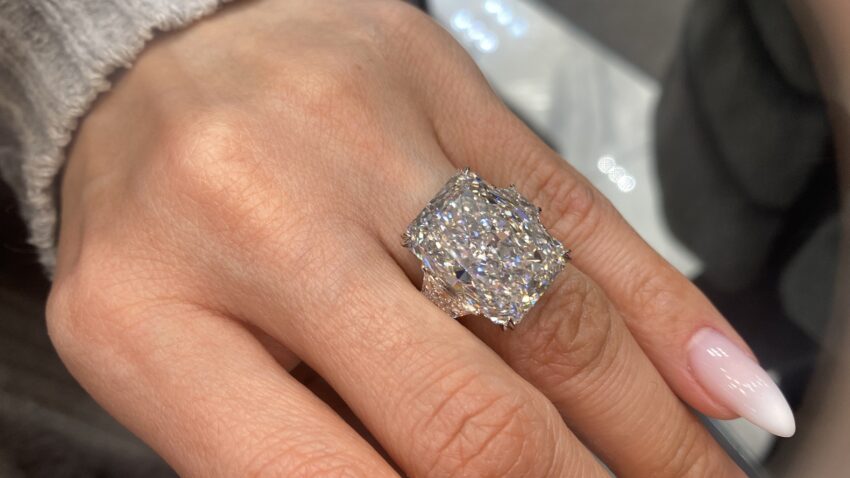
A wedding ring is more than a piece of jewelry. It represents commitment, partnership, and the beginning of a shared chapter. For couples looking for a beautiful and meaningful ring, a lab grown diamond wedding ring offers a modern alternative to traditionally mined diamond jewelry. Lab grown diamonds provide the same essential characteristics as natural diamonds while giving couples more flexibility when choosing a stone, setting, and overall design.
Whether you prefer a classic round diamond, an elegant oval shape, or a distinctive emerald-cut design, understanding how lab grown diamonds are made and what to consider when buying one can help you choose a wedding ring that fits your style and budget.
What Is a Lab Grown Diamond Wedding Ring?
A lab grown diamond wedding ring features a diamond created in a controlled laboratory environment rather than extracted from the earth through traditional mining. Lab grown diamonds are produced using advanced technologies that replicate the conditions required for diamond formation.
Chemically and physically, lab grown diamonds have the same carbon crystal structure as natural diamonds. They can also have the same brilliance, hardness, clarity characteristics, and range of colors.
The main difference is their origin.
Natural diamonds develop beneath the Earth’s surface over extremely long geological periods. Lab grown diamonds are created in specialized facilities using processes that can produce diamonds in a much shorter timeframe.
For a wedding ring, the choice ultimately comes down to personal preferences, design priorities, budget, and how you feel about the diamond’s origin.
Why Choose a Lab Grown Diamond Wedding Ring?
Lab grown diamond wedding rings have become an option for couples who want the appearance and characteristics of a diamond while exploring alternatives to traditionally mined stones.
Beautiful Diamond Appearance
A high-quality lab grown diamond can deliver the sparkle and brilliance expected from a diamond wedding ring. Like natural diamonds, lab grown diamonds are available in different cuts, clarity grades, colors, and carat weights.
The cut plays an especially important role in how much light a diamond reflects. A well-cut stone can appear bright and lively, making it an important consideration when selecting your ring.
More Choice Within Your Budget
One of the reasons couples explore lab grown diamonds is the opportunity to consider larger or different-quality stones within a particular jewelry budget.
For example, instead of focusing exclusively on increasing carat weight, you can compare different combinations of cut, color, clarity, and carat to find a diamond that suits your preferences.
This gives shoppers more flexibility when creating a wedding ring that feels personal rather than choosing a design based only on a fixed stone size.
Wide Range of Designs
Lab grown diamonds can be used in many of the same wedding ring styles available with natural diamonds. Popular options include solitaire rings, halo settings, three-stone designs, pavé bands, and classic diamond bands.
You can also choose from different diamond shapes, including:
- Round
- Oval
- Emerald
- Cushion
- Pear
- Princess
- Marquise
- Radiant
The best shape depends on your personal style and how you want the finished ring to look on your finger.
Understanding the 4Cs Before Buying
Before purchasing a lab grown diamond wedding ring, it is useful to understand the traditional 4Cs of diamond quality: cut, color, clarity, and carat weight.
Cut
Cut describes how effectively a diamond interacts with light. It should not be confused with the diamond’s shape.
A round diamond, for example, describes its shape, while its cut grade relates to proportions, symmetry, and light performance.
If sparkle is one of your biggest priorities, pay close attention to cut quality.
Color
Diamond color generally refers to how much color is visible in a stone. Many diamonds fall within a range from colorless to increasingly noticeable warm tones.
The right choice depends on your setting and personal preference. Some couples prefer a bright, colorless appearance, while others may choose a slightly warmer diamond for a particular aesthetic.
Clarity
Clarity refers to internal characteristics and surface features that can occur within a diamond.
Higher clarity grades generally indicate fewer visible inclusions. However, a lower clarity grade does not automatically mean that a diamond will look visibly flawed. Some inclusions may not be noticeable without magnification.
This is why comparing actual stones and considering visual appearance is important.
Carat
Carat refers to diamond weight, not directly to its physical size or visual appearance.
Two diamonds with the same carat weight can appear different in size depending on their proportions, cut, and shape. When selecting a wedding ring, consider how carat weight works together with the other 4Cs rather than focusing on carat alone.
Popular Lab Grown Diamond Wedding Ring Styles
The design of your wedding ring should complement your personal style and, if applicable, your engagement ring.
Classic Solitaire
A solitaire wedding ring or engagement-style wedding ring places emphasis on a central diamond. Its simple design can create a timeless appearance and allows the diamond to remain the focal point.
Halo Ring
A halo setting surrounds the center diamond with smaller diamonds. This can create additional sparkle and make the center stone appear visually larger.
Halo designs are suitable for couples who prefer a more detailed and glamorous look.
Three-Stone Ring
A three-stone design typically features a central diamond accompanied by two side stones. The three stones are often associated with different stages of a relationship, making this style particularly meaningful for a wedding ring.
Pavé Setting
In a pavé setting, small diamonds are placed closely together along the band. This creates a continuous sparkling effect while keeping the overall design elegant.
Diamond Wedding Band
For a more traditional approach, a diamond wedding band can feature a row or pattern of lab grown diamonds across part or all of the band.
This style can work beautifully as a standalone ring or alongside an engagement ring.
How to Choose the Right Metal
The metal you select can significantly influence the overall appearance of your wedding ring.
White Gold
White gold offers a bright, contemporary appearance and pairs naturally with colorless-looking diamonds.
Yellow Gold
Yellow gold creates a warm and traditional look. It can also provide an attractive contrast against a bright diamond.
Rose Gold
Rose gold has a warm pinkish tone and can create a romantic, distinctive appearance.
Platinum
Platinum is known for its durability and naturally white appearance. It is a popular choice for fine jewelry, particularly for couples seeking a premium metal option.
When choosing a metal, consider both appearance and practical factors such as durability, maintenance, and how the ring will coordinate with your other jewelry.
Lab Grown Diamond Wedding Ring vs. Natural Diamond Ring
The primary distinction between lab grown and natural diamonds is their origin.
| Feature | Lab Grown Diamond | Natural Diamond |
|---|---|---|
| Origin | Created in a laboratory | Formed naturally beneath the Earth’s surface |
| Chemical composition | Diamond carbon structure | Diamond carbon structure |
| Available shapes | Multiple shapes | Multiple shapes |
| Color options | Multiple options | Multiple options |
| Clarity options | Multiple grades | Multiple grades |
| Certification | Available from recognized grading laboratories | Available from recognized grading laboratories |
| Personal choice | Depends on individual preferences | Depends on individual preferences |
Both options can be used to create beautiful wedding jewelry. The right choice depends on what matters most to you, including appearance, budget, origin, and personal values.
What to Look for When Buying a Lab Grown Diamond Wedding Ring
Buying a wedding ring is a significant decision, so it is worth evaluating more than the ring’s appearance alone.
Check the Diamond Grading Report
Look for a diamond that comes with documentation from a recognized gemological laboratory. A grading report can provide information about characteristics such as carat weight, color, clarity, and cut.
Compare Diamond Shapes
Do not choose a diamond solely because a particular shape is popular. Try to determine which shape works best with your personal style and preferred ring design.
Consider Your Lifestyle
A wedding ring is designed for regular wear. Consider your daily activities when selecting the setting and band.
Someone with an active lifestyle may prefer a secure, practical setting, while someone who prioritizes intricate details may prefer a more elaborate design.
Think About Long-Term Wear
Your wedding ring may be worn for decades, so choose a design that you can see yourself enjoying long after your wedding day.
Classic styles can offer timeless appeal, while contemporary designs may be ideal if you want something more distinctive.
Set a Complete Jewelry Budget
Remember that the overall price of a wedding ring is influenced by more than the diamond. The metal, setting, craftsmanship, additional gemstones, and customization can all affect the final price.
Establishing a complete budget can make the selection process easier.
How to Match Your Wedding Ring With Your Engagement Ring
If you already have an engagement ring, think about how the two rings will look together.
Some couples choose a wedding band that follows the shape of the engagement ring. Others prefer contrasting metals, different diamond shapes, or a simple band that allows the engagement ring to remain the centerpiece.
A curved or contoured band can sometimes fit around a larger center stone, while a straight band offers a cleaner and more traditional appearance.
If you plan to wear both rings every day, comfort and fit should be considered alongside appearance.
Is a Lab Grown Diamond Wedding Ring a Good Choice for You?
A lab grown diamond wedding ring may be worth considering if you want a diamond with the same fundamental crystal structure as a natural diamond while exploring a different origin and potentially greater flexibility in your jewelry budget.
The most important step is to compare individual diamonds and ring designs rather than making a decision based solely on labels. Look at the diamond’s cut, proportions, clarity characteristics, color, certification, setting, and overall craftsmanship.
For couples exploring contemporary engagement and wedding jewelry, Brilani offers lab grown diamond designs in a range of cuts, settings, and precious metals, making it possible to explore different styles for your wedding day.
Final Thoughts
Choosing a wedding ring is a personal experience, and there is no single design that suits every couple. A lab grown diamond wedding ring can combine classic diamond beauty with a modern approach to diamond sourcing and selection.
Start by deciding on your preferred style, diamond shape, metal, and budget. Then compare the 4Cs, review the diamond’s grading documentation, and consider how the ring will fit into your everyday life.
Whether you prefer a minimalist solitaire, a sparkling halo, a three-stone design, or a classic diamond band, taking the time to understand your options can help you choose a wedding ring that feels right for your relationship and remains meaningful for years to come.
FAQs About Lab Grown Diamond Wedding Rings
Are lab grown diamonds real diamonds?
Yes. Lab grown diamonds are diamonds with the same fundamental carbon crystal structure as natural diamonds. Their primary distinction is that they are created in a controlled laboratory environment rather than formed naturally underground.
Do lab grown diamonds sparkle like natural diamonds?
A well-cut lab grown diamond can exhibit the same type of brilliance and fire associated with diamond jewelry. Sparkle depends significantly on the diamond’s cut, proportions, clarity, and other characteristics.
Can lab grown diamonds be used in wedding rings?
Yes. Lab grown diamonds can be incorporated into a wide variety of wedding ring designs, including solitaire, halo, three-stone, pavé, and diamond band styles.
What diamond shape is best for a wedding ring?
There is no universally best shape. Round, oval, emerald, cushion, pear, radiant, princess, and marquise diamonds each create a different appearance. Your choice should reflect your personal style and preferred ring design.
How should I choose the metal for my wedding ring?
Consider your preferred appearance, lifestyle, durability requirements, and how the metal will coordinate with your engagement ring and other jewelry. White gold, yellow gold, rose gold, and platinum are popular options.
Should I prioritize carat weight when choosing a lab grown diamond?
Not necessarily. Carat is only one of the 4Cs. Cut, color, and clarity can also have a significant impact on a diamond’s appearance. Comparing the complete characteristics of a stone can help you make a more informed choice.