
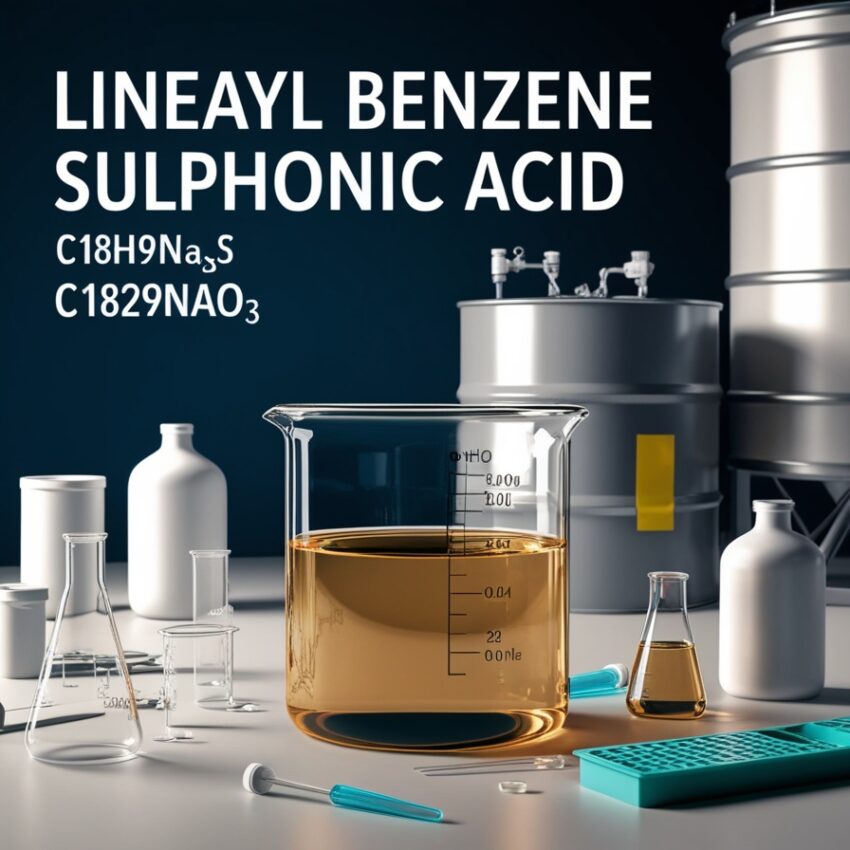
Linear Alkyl Benzene Sulphonic Acid, commonly known as LABSA, is one of the most widely used raw materials in the detergent and cleaning products industry. It is an important ingredient in household detergents, dishwashing liquids, industrial cleaners, laundry powders, and various cleaning solutions. Because of its excellent cleaning performance, foaming ability, and cost-effectiveness, LABSA has become an essential chemical for manufacturers across the world.
As industries continue to expand and demand for cleaning products increases, businesses closely monitor the Linear Alkyl Benzene Sulphonic Acid Price Trend. Manufacturers, suppliers, exporters, traders, and procurement professionals regularly study price movements to estimate production costs, plan purchases, and manage inventory more efficiently.
👉 👉 👉 Please Submit Your Query For Linear Alkyl Benzene Sulphonic Acid Price Trend, Forecast And Market Analysis: https://www.price-watch.ai/book-a-demo/
What is Linear Alkyl Benzene Sulphonic Acid?
Linear Alkyl Benzene Sulphonic Acid is an organic chemical compound mainly used as a surfactant. A surfactant helps water mix with oil and dirt, making cleaning products more effective.
LABSA is produced by sulphonating Linear Alkyl Benzene (LAB), which is derived from petroleum-based raw materials. The resulting product is highly effective at removing grease, dirt, and stains while producing stable foam. These properties make it suitable for a wide variety of cleaning applications.
The chemical is commonly used in household detergents, industrial cleaning products, textile processing, leather treatment, agricultural formulations, and institutional cleaning chemicals. Its broad range of applications keeps demand strong throughout the year.
Why is the Linear Alkyl Benzene Sulphonic Acid Price Trend Important?
The Linear Alkyl Benzene Sulphonic Acid Price Trend provides businesses with valuable information about how market prices change over time.
Instead of focusing only on daily price updates, companies monitor long-term price trends to understand overall market direction. Procurement teams use this information to determine the right time to purchase raw materials, while manufacturers rely on it to estimate production costs and prepare budgets.
Suppliers, distributors, exporters, and traders also study price trends to understand changing demand and identify market opportunities.
Regular monitoring of the Linear Alkyl Benzene Sulphonic Acid Price Trend helps businesses improve planning and reduce financial risks.
Factors That Influence Linear Alkyl Benzene Sulphonic Acid Prices
Several important factors influence the market price of LABSA.
Understanding these factors helps explain why prices increase or decrease during different market conditions.
Raw Material Prices
One of the biggest factors affecting LABSA prices is the cost of raw materials.
LABSA is produced using Linear Alkyl Benzene, which is manufactured from petrochemical feedstocks. Changes in crude oil prices often influence the cost of LAB.
When raw material prices increase, production costs also rise, and manufacturers may increase selling prices.
Stable raw material costs usually help maintain balanced market prices.
Crude Oil Market
Since LABSA production depends on petrochemical feedstocks, fluctuations in crude oil prices indirectly affect manufacturing costs.
Higher crude oil prices generally increase the cost of petrochemical raw materials, while lower oil prices may reduce production expenses.
Because of this relationship, businesses often monitor crude oil markets when tracking the Linear Alkyl Benzene Sulphonic Acid Price Trend.
Demand from the Detergent Industry
The detergent industry is the largest consumer of LABSA.
Household detergents, liquid cleaners, dishwashing products, laundry powders, and industrial cleaning solutions all require LABSA during manufacturing.
As consumer demand for cleaning products continues to grow, manufacturers require more LABSA, supporting steady market demand.
Population growth, urbanization, and increasing hygiene awareness also contribute to long-term demand.
Industrial Cleaning Demand
Many industries use LABSA in heavy-duty cleaning formulations.
Manufacturing plants, hotels, hospitals, food processing units, and commercial cleaning companies rely on industrial cleaning chemicals for daily operations.
Growing industrial activity often supports stronger demand for LABSA.