
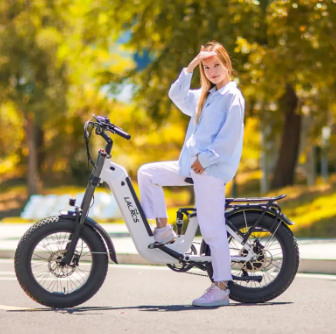
Choosing an electric bike such as the best ebike off road is an important decision because different riders have different requirements. A bike that works well for a daily commuter may not be the right choice for someone who spends weekends riding mountain trails. If you are considering a BURN electric bike, understanding the main features can help you identify the configuration that fits your lifestyle.
Start With Your Riding Purpose
Before comparing technical specifications, think about where and how you will ride.
For commuting, a city-focused electric bike may be the most practical option. Riders may value comfortable geometry, integrated lighting, fenders, racks, and easy handling.
For recreational riding, comfort and battery range may become more important. A versatile electric bike can be useful for paved roads, bike paths, and light gravel surfaces.
If you plan to ride on rough terrain, look for features designed for more demanding conditions, such as wider tires, suspension, stronger wheels, and appropriate frame construction.
Consider Motor Type
The motor affects how an electric bike feels when you accelerate or climb hills. Hub-drive motors are commonly positioned in either the front or rear wheel. They can provide straightforward electric assistance and are widely used on commuter bikes.
Mid-drive motors are positioned around the crank area and transfer power through the bicycle’s drivetrain. This design can provide a balanced feel and may be particularly useful on hills and varied terrain.
Rather than assuming that a higher power number automatically means a better bike, consider the terrain you actually ride and the applicable local regulations.
Understand Battery Range
Battery range is another major consideration. Manufacturers may provide estimated range figures, but real-world performance can vary considerably.
Riding at higher speeds, using stronger assistance, climbing hills, carrying additional weight, and riding in cold conditions can all increase energy consumption.
If you regularly take long trips, a larger battery may provide greater flexibility. For short urban journeys, a smaller and lighter battery may be sufficient.
It is also worth checking whether the battery is removable. A removable battery can make charging more convenient for people who live in apartments or store their bikes away from electrical outlets.
Check the Frame and Riding Position
Comfort is important if you plan to ride frequently. Pay attention to frame geometry, saddle height, handlebar position, and overall riding posture.
An upright riding position can be comfortable for city transportation, while a more forward position may suit riders who want a sportier experience.
Frame size is also important. An incorrectly sized bike can affect comfort, control, and pedaling efficiency.
Look at Brakes and Tires
The braking system should match the weight and intended use of the electric bike. Disc brakes are common on many modern e-bikes because they can provide consistent stopping performance.
Tires also have a significant effect on handling. Narrower tires can be efficient on smooth pavement, while wider tires may provide additional comfort and traction on rough surfaces.
Consider Maintenance and Support
An electric bike contains both bicycle components and electrical components. Before purchasing, consider how easy it will be to obtain replacement parts and professional servicing.
Common maintenance items include tires, brake pads, chains, cables, and drivetrain components. Battery and motor issues may require specialized support.
Match the Bike to Your Lifestyle
The best BURN electric bike for you should be based on your actual riding habits. Think about your average distance, terrain, storage space, desired comfort level, and budget.
Instead of choosing a model based only on appearance or a single specification, consider the complete package. A well-matched electric bike can make commuting more convenient, recreational rides more enjoyable, and everyday cycling easier.