

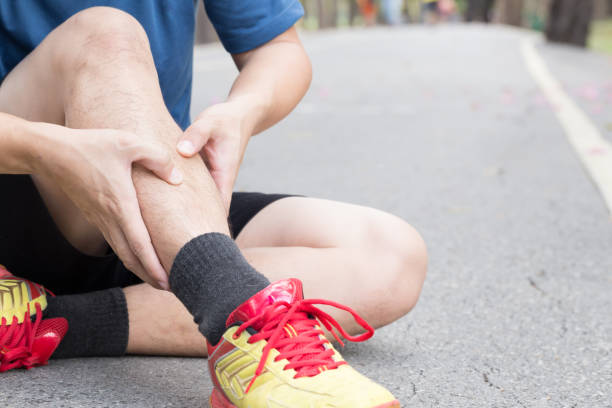
Lower-leg discomfort during exercise can make running, walking, jumping, and other physical activities difficult. It may develop gradually or become noticeable after a change in activity. Understanding common causes can help people make appropriate adjustments and support a safer return to exercise.
Discomfort in the lower leg may be connected with changes in training, footwear, movement patterns, or insufficient recovery. Paying attention to early symptoms can help prevent a minor problem from becoming a more persistent concern.
Common Causes of Lower-Leg Discomfort
Lower-leg discomfort can develop for several reasons. Increasing exercise intensity too quickly, repeating the same movement frequently, or exercising without adequate recovery may place additional stress on the muscles and surrounding tissues.
An overuse injury is one common reason for discomfort. Repetitive activities can gradually place stress on the lower leg, particularly when the body has not had enough time to adapt.
Changes in exercise surfaces can also affect how the body absorbs impact. Running on hard surfaces, uneven ground, or unfamiliar terrain may contribute to running discomfort for some individuals.
Understanding Shin Pain
Shin pain refers to discomfort felt along the front or inner area of the lower leg. It can occur in people who participate in running, jumping, sports, or other repetitive activities.
One commonly discussed condition associated with this type of discomfort is shin splints. The term is often used to describe pain along the shin that develops in relation to physical activity.
Symptoms may become noticeable during exercise, shortly afterward, or following repeated activity. The exact cause can vary between individuals, so persistent or severe discomfort should not simply be ignored.
The Role of Muscle Strain
A muscle strain can occur when muscle tissue is placed under more stress than it can comfortably handle. Repeated exercise, sudden changes in movement, or inadequate preparation may increase the likelihood of muscle-related discomfort.
The lower leg contains several muscles that contribute to walking, running, balance, and movement. When these muscles become fatigued, movement patterns may change, potentially placing additional stress on other areas.
Allowing adequate exercise recovery can help the body adapt to physical activity and reduce unnecessary strain.
Tendon Irritation and Lower-Leg Problems
Tendons connect muscles to bones and help transfer force during movement. Repetitive activity can sometimes contribute to tendon irritation, particularly when the same movement is performed frequently.
Activities involving repeated pushing, jumping, or running can place stress on tendons around the ankle and lower leg. Symptoms may include localized discomfort, stiffness, or sensitivity during movement.
People experiencing ongoing tendon-related symptoms may benefit from professional assessment. Appropriate tendinitis treatment in KL can depend on the affected tendon, symptoms, activity level, and underlying cause.
Importance of Stretching and Mobility
Regular stretching can be part of a balanced exercise routine. Gentle mobility work may help maintain comfortable movement around the ankle, calf, and lower leg.
Stretching should generally be performed in a controlled manner rather than forcing a joint or muscle into an uncomfortable position. The purpose is to support mobility rather than create additional pain.
Warm-up activities can also prepare the body for exercise. Gentle movement before more demanding activity may help gradually increase circulation and prepare the muscles for the workload ahead.
Strengthening Exercises for Better Support
Strengthening exercises can help improve the ability of muscles to handle physical activity. Exercises targeting the calves, ankles, feet, and surrounding muscles may support movement and stability.
A gradual approach is important. Introducing demanding exercises too quickly can place additional stress on tissues that are not yet prepared for the workload.
A balanced routine can include mobility, strength, coordination, and appropriate recovery. Exercise selection should depend on an individual’s physical condition and activity requirements.
The Importance of Biomechanics
Biomechanics describes how the body moves and how forces are distributed during physical activity. Running technique, foot position, joint movement, posture, and muscle coordination can all influence movement.
Poor movement patterns are not always the sole cause of discomfort, but understanding them can help identify areas that may need attention. A professional assessment can be useful when symptoms repeatedly return during similar activities.
For people experiencing shin pain, evaluating movement patterns may provide additional information about how the lower limbs respond to exercise.
Prevention and Exercise Recovery
Preventing lower-leg discomfort involves managing exercise gradually and allowing enough time for recovery. Sudden increases in running distance, training intensity, or frequency can place additional demands on the body.
Rest days and changes in activity can give stressed tissues an opportunity to recover. Cross-training may also provide variety by reducing repetitive loading on the same body parts.
Appropriate footwear can be another consideration. Shoes should be comfortable and suitable for the activity being performed. However, footwear alone does not determine whether someone will develop an exercise-related problem.
Gradual Return to Physical Activity
When discomfort improves, returning to exercise gradually can be more appropriate than immediately returning to the previous level of activity. Lower-intensity movement can help assess how the body responds before increasing workload.
Persistent running discomfort may indicate that an activity routine needs to be reviewed. Continuing through significant pain without understanding its cause may delay recovery.
If symptoms continue despite changes in activity, professional evaluation can help identify whether the issue involves muscles, tendons, joints, or another structure.
Professional Care and Recovery
Professional assessment may be useful when lower-leg symptoms are persistent, recurrent, or affecting normal movement. A qualified healthcare or rehabilitation professional can assess movement, strength, flexibility, and activity patterns.
For people experiencing tendon-related problems, tendinitis treatment in KL may involve an individualized approach based on the location and severity of symptoms. Treatment plans can include activity modification, rehabilitation exercises, mobility work, and gradual strengthening where appropriate.
The appropriate approach depends on the individual’s condition, so self-treatment should not replace professional evaluation when symptoms are significant or persistent.
Frequently Asked Questions
Can exercise cause lower-leg discomfort?
Yes. Repetitive activity, sudden training changes, muscle fatigue, and inadequate recovery can contribute to lower-leg discomfort.
Is shin pain always caused by exercise?
Not necessarily. Physical activity can contribute to certain types of discomfort, but other conditions may also affect the lower leg. Persistent symptoms should be assessed appropriately.
How can exercise-related discomfort be prevented?
Gradual training progression, suitable footwear, warm-up activities, mobility work, strengthening exercises, and adequate recovery can all form part of a sensible approach.
When should professional help be considered?
Professional assessment can be considered when discomfort persists, repeatedly returns, becomes severe, affects normal movement, or does not improve after reducing the activity that triggers it.
Conclusion
Lower-leg discomfort can have different causes, and understanding the relationship between activity, recovery, movement, and physical load can help people manage exercise more responsibly. Gradual progression, appropriate recovery, mobility, and strengthening can support healthy movement.
When symptoms persist or interfere with everyday activities, professional assessment can help determine the underlying issue and guide an appropriate recovery approach.
CTA
If exercise-related discomfort continues or affects your normal movement, consider seeking advice from a qualified healthcare or rehabilitation professional. An individualized assessment can help identify suitable steps for recovery and a safe return to physical activity.