
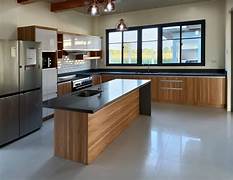
Modular cabinets for kitchen spaces provide an efficient way to organize cooking areas while maximizing available storage. Designed using standardized modules that can be configured according to the kitchen layout, these cabinets combine functionality, accessibility, and contemporary aesthetics.
Whether for a compact apartment kitchen, a spacious family home, or a premium residential project, modular cabinets can be customized according to storage requirements, room dimensions, appliances, materials, and design preferences.
Why Choose Modular Cabinets for Kitchen?
Modular kitchen cabinets offer several advantages over conventional storage solutions.
Key benefits include:
- Efficient space utilization
- Organized storage
- Customizable layouts
- Modern finishes
- Easy installation
- Better accessibility
- Flexible configurations
How Modular Kitchens Improve Space Efficiency in Small Homes
The principles from How Modular Kitchens Improve Space Efficiency in Small Homes are particularly relevant when planning kitchen cabinets for compact spaces.
Effective strategies include:
- Using vertical storage
- Installing tall cabinets
- Utilizing corner units
- Adding pull-out storage
- Integrating appliances
- Using compact cabinet configurations
These solutions help maximize storage without making a small kitchen feel overcrowded.
Types of Modular Kitchen Cabinets
Common cabinet types include:
- Base cabinets
- Wall-mounted cabinets
- Tall units
- Corner cabinets
- Pantry units
- Drawer units
- Sink cabinets
- Appliance cabinets
Combining different modules allows homeowners to create a kitchen layout suited to their cooking habits and available space.
Smart Storage Features
Modern cabinets can incorporate:
- Soft-close drawers
- Pull-out baskets
- Bottle racks
- Cutlery organizers
- Corner mechanisms
- Tall pantry units
- Waste segregation systems
- Adjustable shelves
These features improve accessibility and make everyday kitchen activities more convenient.
Materials for Modular Kitchen Cabinets
Common options include:
- Plywood
- MDF
- HDHMR boards
- Particle board
- Laminates
- Acrylic
- Natural veneer
- Glass
Material selection should consider moisture resistance, durability, maintenance, finish, and budget.
Finishes and Design Options
Homeowners can choose from a variety of finishes, including:
- Matte laminates
- Glossy acrylic
- Natural veneer
- Textured finishes
- Glass shutters
- Two-tone combinations
The finish can be coordinated with countertops, flooring, walls, and other interior elements.
Customized Modular Kitchen Cabinets
Professional manufacturers can customize cabinet dimensions, layouts, storage accessories, finishes, hardware, and appliance integration.
Customized planning is particularly useful for kitchens with unusual dimensions, limited space, or specialized storage requirements.
Choosing a Modular Kitchen Cabinet Provider
When selecting a provider, consider:
- Manufacturing experience
- Material quality
- Hardware quality
- Customization capabilities
- Design portfolio
- Installation services
- Project timelines
- Warranty support
A reliable manufacturer should provide accurate measurements, quality manufacturing, and professional installation.
Conclusion
Modular cabinets for kitchen spaces provide a practical combination of organized storage, efficient space utilization, and modern design. With customized layouts, smart accessories, durable materials, and attractive finishes, modular cabinets can improve the functionality of kitchens of different sizes.
The principles from How Modular Kitchens Improve Space Efficiency in Small Homes further demonstrate how vertical storage, corner units, pull-outs, and carefully planned cabinetry can make compact kitchens more efficient. Choosing the right modular cabinet design can create a kitchen that is organized, convenient, durable, and visually appealing.