
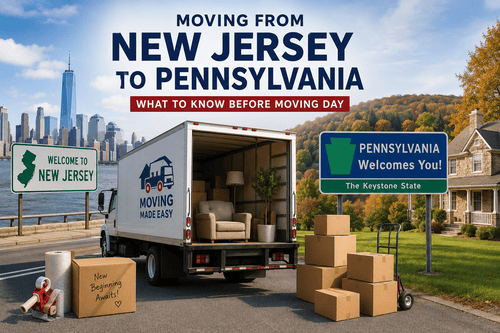
Moving from one state to another can feel overwhelming, especially when you’re trying to coordinate packing, transportation, paperwork, and your moving schedule at the same time. If you’re planning a relocation across state lines, working with experienced New Jersey to Pennsylvania Movers can make the process more organized and less stressful. Whether you’re moving from Newark, Jersey City, Princeton, Edison, or another part of New Jersey to Philadelphia, Pittsburgh, Allentown, Bethlehem, or elsewhere in Pennsylvania, knowing what to expect before moving day can help you prepare with confidence.
An interstate move involves more than simply loading boxes onto a truck. You need to consider your moving timeline, household inventory, transportation arrangements, costs, utilities, address changes, and the differences between your current home and your new location. With the right preparation, you can avoid common moving-day problems and start your new chapter on the right foot.
Why Are People Moving From New Jersey to Pennsylvania?
New Jersey and Pennsylvania are neighboring states, making the move relatively convenient compared with a cross-country relocation. However, there are still several reasons homeowners, renters, families, and professionals choose to make the move.
One major consideration is housing affordability. Depending on the city and neighborhood, some Pennsylvania communities may offer more affordable housing options than comparable areas in New Jersey. Families may also be attracted to larger properties, quieter suburban communities, or different lifestyle options.
Employment opportunities, family considerations, education, and changes in personal circumstances can also motivate an interstate move. Some people may continue working in New Jersey while living in Pennsylvania, while others relocate their jobs or transition to remote work.
Regardless of your reason for moving, planning ahead is essential for a smooth transition.
Understand the Difference Between Local and Interstate Moving
Although New Jersey and Pennsylvania share a border, moving between them is still an interstate relocation. This means your move involves crossing a state line, even if your new home is only a short distance from your current one.
This distinction matters when choosing a moving company. A mover experienced in interstate relocations can help you understand the logistics involved in transporting your belongings between states.
For example, a move from Trenton to Philadelphia may be significantly shorter than relocating from northern New Jersey to Pittsburgh. The distance, number of belongings, home size, access conditions, and services you choose can all affect the moving process.
Before hiring a company, confirm that it regularly handles interstate moves and understands the requirements involved in transporting household goods across state lines.
Create a Moving Timeline
One of the easiest ways to make moving less stressful is to start planning early. Waiting until the final week can leave you scrambling to pack, organize paperwork, and arrange transportation.
Ideally, begin preparing several weeks before your scheduled moving day.
Four to Eight Weeks Before Moving
Start by creating a complete moving checklist. Determine your preferred moving date, research moving companies, and begin collecting estimates.
This is also a good time to:
- Decide what you are taking with you
- Start decluttering your home
- Donate or sell unwanted belongings
- Research your new neighborhood
- Create a moving budget
- Review your lease or closing documents
- Schedule necessary repairs
- Begin gathering packing supplies
The earlier you start, the more time you have to deal with unexpected issues.
Two to Four Weeks Before Moving
At this stage, begin packing items you don’t use regularly. Seasonal clothing, decorations, books, extra kitchen equipment, and other nonessential belongings can usually be packed early.
You should also confirm your moving company, moving date, estimated arrival window, and service details.
If you have children or pets, begin planning how they will be cared for during the move. Keeping them away from the moving activity can make the day safer and more manageable.
One Week Before Moving
Your focus should now shift toward completing the final preparations. Pack most remaining items and leave out only the essentials you’ll need during the final days.
Confirm important details with your movers, including:
- Pickup address
- Delivery address
- Moving date
- Parking arrangements
- Special or oversized items
- Estimated moving timeline
- Payment arrangements
- Contact information
Having these details confirmed ahead of time reduces confusion on moving day.
Declutter Before You Pack
Moving is an excellent opportunity to decide what you actually want to take to Pennsylvania.
Instead of automatically packing everything you own, go room by room and separate your belongings into four categories: keep, sell, donate, and discard.
Getting rid of unnecessary items can make your move easier in several ways. Fewer belongings mean fewer boxes, less packing work, less space required in the moving truck, and potentially lower moving expenses.
Consider whether each item is worth transporting to your new home. Furniture that doesn’t fit your new space, outdated electronics, unused clothing, and duplicate household items may not need to make the trip.
Selling valuable unwanted items can also provide extra money that can be added to your moving budget.
Build a Realistic Moving Budget
Moving expenses can vary significantly depending on the size and complexity of your relocation. A professional moving estimate should take factors such as distance, household size, labor, packing services, and special requirements into consideration.
However, your moving budget should include more than the moving company’s transportation cost.
Potential expenses may include:
- Packing supplies
- Professional packing services
- Moving labor
- Transportation
- Storage
- Insurance or valuation coverage
- Cleaning services
- Utility deposits
- Travel expenses
- Temporary accommodation
- New household items
Ask for a detailed estimate so you understand what is included and whether additional charges may apply.
A clear budget can help prevent unpleasant financial surprises during your relocation.
Choose the Right Moving Company
Choosing the right mover is one of the most important decisions you’ll make. Don’t select a company solely because it offers the lowest estimate.
Instead, evaluate its experience, services, communication, reputation, and ability to handle interstate moves.
When comparing New Jersey to Pennsylvania Movers, ask questions such as:
- How long have you handled interstate moves?
- Is the estimate binding or non-binding?
- What services are included?
- Are packing services available?
- How are large or fragile items handled?
- What happens if the delivery schedule changes?
- What coverage is available for damaged belongings?
- Are there additional fees I should know about?
Take time to review the terms before signing a moving agreement. A reputable company should clearly explain the services you’re paying for.
For customers planning an interstate relocation, liftshiftglobal can help simplify the moving process by keeping important details organized from planning through transportation.
Pack Your Belongings Strategically
Packing properly can save considerable time when you arrive in Pennsylvania.
Start with sturdy boxes and appropriate packing materials. Use smaller boxes for heavy items such as books and larger boxes for lightweight belongings such as bedding and pillows.
Label every box with its contents and the room where it belongs. For example, instead of writing only “Kitchen,” use labels such as “Kitchen – Plates and Bowls” or “Bedroom – Winter Clothes.”
You can also use an inventory list to track important belongings. This can be particularly helpful if you’re moving a large household.
Fragile items should receive additional protection. Wrap glassware, dishes, mirrors, electronics, and other breakable belongings carefully and avoid leaving empty spaces inside boxes where items can shift during transportation.
Prepare a Moving-Day Essentials Box
One common moving mistake is packing everything and then realizing you need important items before your belongings arrive.
Prepare an essentials box or overnight bag that stays with you rather than going into the moving truck.
Consider including:
- Important documents
- Phone and laptop chargers
- Medications
- Basic toiletries
- A change of clothes
- Towels
- Toilet paper
- Snacks
- Bottled water
- Basic cleaning supplies
- Basic tools
- Pet supplies
- Children’s essentials
If your move takes longer than expected, you’ll have immediate access to the things you need.
Take Care of Utilities and Address Changes
Before leaving New Jersey, arrange the appropriate utility shutoffs or transfers. Depending on your circumstances, this could include electricity, gas, water, internet, and other services.
At your Pennsylvania residence, schedule utility connections in advance whenever possible. You don’t want to arrive at your new home and discover that essential services aren’t available.
You should also update your mailing address with relevant organizations and service providers. Consider updating your information with:
- Banks and credit card companies
- Insurance providers
- Employers
- Subscription services
- Government agencies
- Medical providers
- Schools
- Online retailers
Forwarding your mail can also help ensure important correspondence reaches your new address.
Prepare Your New Pennsylvania Home
Your preparation shouldn’t stop at your New Jersey property. Make sure your new home is ready for your arrival.
If possible, clean the property before your belongings are delivered. It’s much easier to clean empty rooms than to work around furniture and dozens of boxes.
Measure doorways, hallways, staircases, and rooms to ensure your larger furniture will fit.
If you’re moving into an apartment or condominium, check whether the building has specific moving requirements. Some properties require residents to reserve elevators, provide certificates of insurance, or follow specific moving hours.
Ask about these requirements before moving day so your movers can work without unnecessary delays.
Plan for Moving Day
Moving day can be busy, but good preparation can keep it under control.
Wake up early and make sure your essentials are separated from the belongings being loaded onto the truck. Keep important documents, valuables, medications, and personal electronics with you.
Before the movers begin loading, walk through your home and identify anything that should not be transported.
As items are loaded, keep pathways clear and communicate any special instructions to the moving crew. If you have fragile, oversized, or particularly valuable belongings, make sure the movers know about them.
Before leaving your New Jersey home, complete a final walkthrough. Check closets, cabinets, garages, basements, attics, and outdoor areas for items that may have been forgotten.
What to Expect After Arriving in Pennsylvania
Once you reach Pennsylvania, the work isn’t necessarily over. You’ll need to coordinate unloading, unpacking, utilities, address updates, and settling into your new community.
Don’t feel pressured to unpack the entire house in one day. Start with essential rooms such as the bedroom, bathroom, and kitchen.
Your labeled boxes will make this process significantly easier. Instead of opening random boxes, you can prioritize the items you need first.
Take time to inspect your belongings after delivery. If you notice damage or missing items, document the issue promptly and follow the procedures outlined in your moving agreement.
Common Mistakes to Avoid
Even a relatively short interstate move can become complicated if you don’t prepare properly. Avoid these common mistakes:
Waiting Until the Last Minute
Starting too late can result in rushed packing, limited mover availability, and unnecessary stress.
Choosing a Mover Based Only on Price
The cheapest estimate isn’t always the best value. Look at the company’s experience, services, communication, and terms before making your decision.
Failing to Declutter
Transporting belongings you don’t need can increase the workload and potentially raise costs.
Forgetting to Measure Furniture
Large furniture may not fit through certain doorways, staircases, or hallways in your new home.
Not Preparing an Essentials Bag
Keep important personal items with you so you don’t have to search through dozens of boxes after arriving.
Ignoring Building Rules
Apartment and condominium buildings may have specific requirements for moving. Confirm them before your moving date.
Make Your New Jersey to Pennsylvania Move Easier
Moving from New Jersey to Pennsylvania doesn’t have to be chaotic. The key is to treat your relocation as a project that requires planning, organization, and careful coordination.
Start early, create a realistic budget, declutter before packing, choose an experienced interstate moving company, and confirm the details of your move before moving day. Taking care of utilities, address changes, building requirements, and packing in advance can help you avoid last-minute complications.
Whether you’re moving a small apartment or a large family home, preparation gives you greater control over the process. By working with experienced New Jersey to Pennsylvania Movers and following a structured moving plan, you can make the transition more efficient and focus on settling into your new Pennsylvania home.
With the right preparation, moving day becomes less about stress and more about starting the next chapter of your life with confidence.