
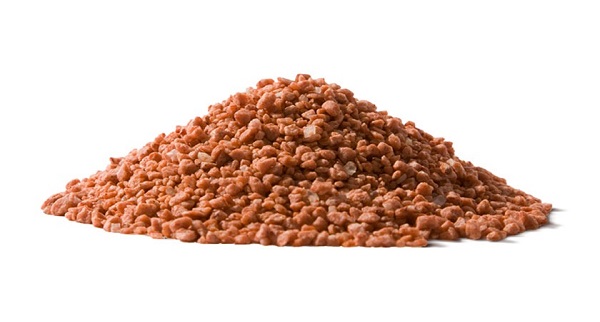
The Muriate of Potash Price Trend has become an important topic for fertilizer manufacturers, agricultural businesses, commodity traders, distributors, and farmers across the world. Muriate of Potash, commonly known as MOP, is one of the most widely used potassium fertilizers because it helps improve crop quality, increases plant strength, and supports higher agricultural productivity. Since agriculture depends heavily on fertilizers, changes in MOP prices directly influence farming costs and food production.
During the recent market period, the global market experienced a moderate upward trend, mainly supported by steady agricultural demand, higher logistics expenses, rising energy costs, and balanced supply conditions across several major producing and importing countries. Understanding the Muriate of Potash Price Trend allows businesses and buyers to make better purchasing decisions while preparing for future market movements.
Why Muriate of Potash Prices Matter
Every crop requires proper nutrition to achieve healthy growth, and potassium is one of the three major nutrients needed for farming. Muriate of Potash supplies this essential nutrient and is widely used for crops such as rice, wheat, corn, sugarcane, soybeans, cotton, and vegetables. Because of its importance, Muriate of Potash Prices are closely watched by fertilizer companies, importers, wholesalers, and farmers.
When fertilizer prices increase, farming costs also rise. On the other hand, when prices remain stable, farmers can better manage their production expenses. This is why buyers regularly monitor market conditions before making large purchases.
👉 👉 👉 Please Submit Your Query for Muriate of Potash Price Trend demand-supply, suppliers, market analysis: https://www.price-watch.ai/book-a-demo/
Global Market Remained Slightly Positive
The recent global market reflected a balanced but firm pricing environment. Demand from the agricultural sector remained healthy as many countries prepared for seasonal farming activities. Farmers continued purchasing fertilizers to ensure good crop production, supporting steady consumption across international markets.
At the same time, rising transportation costs, energy expenses, and shipping charges slightly increased overall production and delivery costs. Although supply remained available, these higher operational expenses provided upward support to market prices.
Unlike periods of extreme volatility, the market remained relatively balanced because producers maintained regular production while buyers continued purchasing according to seasonal requirements.
Malaysia Market Performance
Malaysia witnessed a gradual increase in MOP prices during the quarter. Stable agricultural demand combined with higher import costs supported the market throughout the period. Since Malaysia depends largely on imported fertilizer, international freight expenses and logistics costs influenced domestic pricing.
Supply remained sufficient to meet customer requirements, preventing any major shortages. However, transportation expenses and rising handling costs slightly increased market prices. Overall, the Malaysian market reflected stable demand with moderate upward movement.
India Experienced Strong Agricultural Demand
India remained one of the strongest fertilizer-consuming markets. Continuous demand from farmers supported the domestic fertilizer market as agricultural activities remained active throughout the season.
Higher import costs, increasing logistics expenses, and stable fertilizer consumption contributed to firm Muriate of Potash Prices. Since potassium fertilizers play an important role in improving crop productivity, buyers continued purchasing despite slightly higher prices.
The market also benefited from balanced inventory management. Suppliers maintained adequate stock levels while ensuring timely deliveries to agricultural regions. This helped prevent sudden supply shortages and maintained healthy market confidence.
Brazil Continued Supporting Global Demand
Brazil also experienced positive market conditions due to its large agricultural industry. The country’s demand for fertilizers remained strong because of continuous cultivation of major crops requiring potassium-based nutrients.
Import dependence, shipping expenses, and stable agricultural consumption helped support prices during the quarter. Buyers continued regular procurement activities while suppliers managed inventory carefully to avoid disruptions.
Although market movements remained moderate, Brazil continued contributing significantly to the overall Muriate of Potash Price Trend because of its position as one of the world’s largest fertilizer-consuming agricultural markets.
China Market Maintained Stable Demand
China continued to remain an important market in the global fertilizer trade. Agricultural demand remained steady, while buyers continued purchasing fertilizers according to seasonal crop requirements. Although supply was generally sufficient, higher logistics expenses and transportation costs supported a gradual increase in market prices.
Importers closely monitored global supply conditions before placing large orders. Stable demand from the farming sector helped maintain market confidence, while balanced inventories prevented unnecessary price fluctuations. As a result, China remained one of the key contributors to the overall Muriate of Potash Price Trend.
Indonesia Experienced Balanced Market Conditions
Indonesia also witnessed stable fertilizer demand during the quarter. Farmers continued purchasing MOP for plantation crops and agricultural production, keeping consumption at healthy levels.
The country largely depended on imported material, making freight charges and shipping costs important pricing factors. Even though supply remained available, increasing transportation expenses provided moderate support to Muriate of Potash Prices. Market participants preferred planned procurement instead of bulk buying, helping maintain overall market stability.
Canada Remained a Major Supplier
Canada continued playing a significant role in the international potash market because of its large production capacity. Export activity remained healthy as global demand from agricultural markets supported international shipments.
Production remained stable, allowing exporters to meet overseas demand without major disruptions. Although operating and transportation costs increased slightly, the availability of sufficient supply prevented excessive price increases. This balance between production and exports helped stabilize global market conditions.
Russia, Israel, and Jordan Continued Supporting Global Supply
Russia, Israel, and Jordan remained important suppliers of Muriate of Potash to international markets. Export activities continued despite changing global trade conditions, ensuring fertilizer remained available to major importing countries.
Higher freight expenses, energy costs, and logistics challenges influenced export pricing from these regions. However, steady production helped avoid significant supply shortages. Buyers continued sourcing material based on long-term contracts as well as seasonal purchasing needs, creating a balanced trading environment across international markets.
Why Businesses Follow the Muriate of Potash Price Chart
Procurement professionals, distributors, and agricultural companies regularly monitor the Muriate of Potash Price Chart before making purchasing decisions. The chart helps buyers understand historical price movements, seasonal demand cycles, and long-term market behavior.
Instead of reacting to short-term fluctuations, businesses use price charts to identify favorable buying opportunities and manage inventory more efficiently. This approach reduces procurement risks while improving cost planning throughout the year.
Importance of the Muriate of Potash Price Index
Another valuable tool for understanding the fertilizer market is the Muriate of Potash Price Index. Unlike individual daily prices, the index provides a broader picture of overall market direction by tracking price movement over time.
Importers, traders, manufacturers, and procurement teams use the Muriate of Potash Price Index to evaluate whether the market is strengthening, weakening, or remaining stable. Monitoring the index helps businesses make informed purchasing decisions based on long-term market trends rather than temporary price changes.
👉 👉 👉 Please Submit Your Query for Muriate of Potash Price Trend demand-supply, suppliers, market analysis: https://www.price-watch.ai/book-a-demo/
Future Market Outlook
Looking ahead, the outlook for the global MOP market remains generally positive. Agricultural demand is expected to remain healthy because farmers will continue requiring potassium fertilizers to improve crop quality and increase yields. Population growth, food security requirements, and expanding agricultural activities are likely to support long-term fertilizer consumption.
However, future Muriate of Potash Prices will continue to depend on several important factors. Raw material availability, energy prices, international shipping costs, trade policies, weather conditions, and seasonal fertilizer demand will all influence future market movements. Businesses that regularly monitor these factors will be better prepared to manage procurement costs and reduce supply risks.
The overall Muriate of Potash Price Trend reflects a market supported by steady agricultural demand, balanced global supply, and moderately higher logistics and production costs. Major importing countries experienced firm demand, while leading exporting regions maintained sufficient production to support international trade. Although prices moved higher in several markets, the increase remained gradual because supply and demand stayed relatively balanced.
For fertilizer manufacturers, distributors, importers, and agricultural businesses, regularly tracking Muriate of Potash Prices, studying the Muriate of Potash Price Chart, and following the Muriate of Potash Price Index can provide valuable insights for making smarter purchasing decisions. As global agriculture continues to expand and food production remains a priority, the MOP market is expected to remain an essential part of the global fertilizer industry with steady long-term growth opportunities.
𝐀𝐛𝐨𝐮𝐭 𝐏𝐫𝐢𝐜𝐞-𝐖𝐚𝐭𝐜𝐡™
Price-Watch AI is an India-based, independent raw material price reporting agency that provides real-time price forecasts and data-driven insights into global raw material markets. Price-Watch AI specializes in tracking raw material prices, analyzing market trends, and delivering timely updates on plant shutdowns, supply disruptions, capacity expansions, and demand-supply dynamics. The Price-Watch AI platform empowers manufacturers, traders, and procurement professionals to make faster, smarter decisions. Leveraging AI-powered forecasting and over a decade of historical data, Price-Watch AI transforms market volatility into actionable opportunity.
Futura Tech Park,
C Block, 8th floor 334,
Old Mahabalipuram Road,
Sholinganallur, Chennai, Tamil Nadu, Pincode – 600119.
𝐋𝐢𝐧𝐤𝐞𝐝𝐈𝐧: https://www.linkedin.com/company/price-watch-ai/
𝐅𝐚𝐜𝐞𝐛𝐨𝐨𝐤: https://www.facebook.com/people/Price-Watch/61568490385598/
𝐓𝐰𝐢𝐭𝐭𝐞𝐫: https://x.com/pricewatchai
𝐖𝐞𝐛𝐬𝐢𝐭𝐞: https://www.price-watch.ai/