
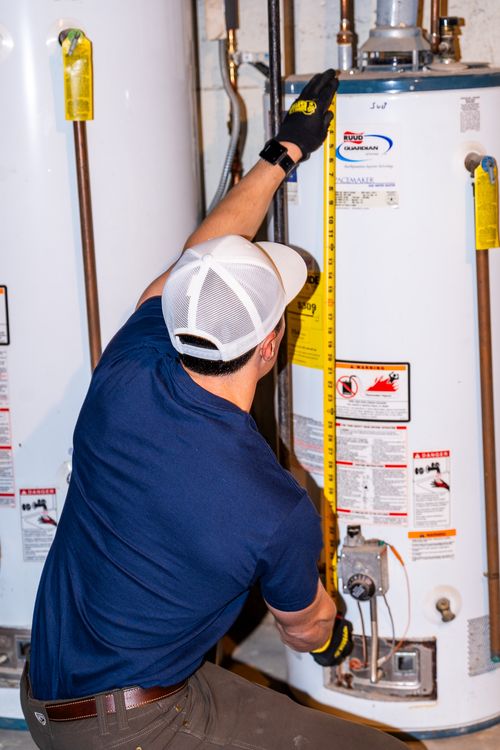
Few things are as stressful as waking up to a freezing house with no heat, especially during a bone-chilling Cambridge winter. When your boiler suddenly quits, it’s more than just an inconvenience; it quickly becomes a serious problem for your family’s comfort and safety. Knowing why boilers commonly fail can help you spot the warning signs and understand why getting help quickly is so important.
Let’s take a look at the usual suspects behind emergency boiler repairs, how these issues develop, and what you can do to prevent them from happening again.
Why Boiler Breakdowns Often Seem to Come Out of Nowhere
Boilers usually give off subtle hints that something is wrong before they completely break down. The problem is, these signs often go unnoticed until it’s too late. In Cambridge, where heating systems are pushed to their limits during long, damp winters, wear and tear can happen fast.
Emergency boiler issues often result from a mix of age, neglected maintenance, and increased demand when temperatures drop. When it gets really cold, even a minor glitch can snowball into a total loss of heat.
1. Low Boiler Pressure
One of the most frequent causes of heating problems is low pressure. Boilers need the right amount of pressure to circulate hot water throughout your home effectively. If the pressure dips too low, the system may shut itself off as a safety precaution.
Low pressure can be caused by:
- Leaks somewhere in the system.
- Recently vented (bled) radiators.
- A faulty pressure relief valve.
While “topping off” the pressure might seem like an easy DIY fix, repeated pressure loss often points to a more serious leak that requires a professional’s attention.
2. Frozen Condensate Pipe (Drain Line)
Cambridge winters are notorious for freezing temperatures, and one common cold-weather issue is a frozen condensate pipe. This pipe carries acidic wastewater from the boiler to an outside drain. When the water inside freezes and creates a blockage, the boiler will shut down to prevent internal damage.
Signs of a frozen drain line include:
- Gurgling noises coming from the unit.
- Specific error codes on the boiler display.
- A sudden loss of heat during a cold snap.
3. Faulty Thermostat or Controls
Sometimes, the boiler itself isn’t the culprit. A faulty thermostat, broken sensor, or malfunctioning programmer can prevent the system from kicking on, even if the mechanical parts are delicate.
Common control-related issues include:
- Incorrect thermostat calibration.
- Dead batteries or loose wiring.
- Smart thermostat connection failures.
Because these problems can mimic a complete mechanical failure, homeowners often fear the worst when the solution might be as simple as a thermostat replacement.
4. Ignition or Pilot Light Failure
If your boiler won’t ignite, it can’t produce heat. Older boilers rely on a standing pilot light, while newer systems use electronic ignition. Both can fail due to:
- Faulty igniter components or thermocouples.
- Interruptions in the gas supply.
- Carbon buildup or general wear.
Note: Ignition problems should always be treated as emergencies. A licensed professional must handle anything involving gas components to ensure your home’s safety.
5. Circulation Pump Trouble
The circulation pump’s job is to push hot water from your boiler to your radiators and faucets. If it stops working, you’ll likely notice:
- Radiators that stay cold even when the boiler is running.
- Strange humming or grinding sounds are coming from the unit.
- Uneven heating, where some rooms are warm, and others are freezing.
6. Airlocks and Sludge Buildup
Over time, air can get trapped inside your heating system, or a “sludge” of rust and debris can build up in your pipes. Both can block water flow, making your heating less efficient or stopping it altogether.
Watch for:
- Cold spots on the bottom or middle of your radiators.
- Loud banging or “kettling” noises (it sounds like a tea kettle boiling).
- A very slow response time when you turn up the heat.
7. Boiler Age and Wear
If your boiler is more than 10–15 years old, it is much more likely to break down unexpectedly. Older systems simply have parts that wear out, especially when they are working overtime in January and February. In these cases, emergency repairs might get your heat back on temporarily, but if breakdowns become a monthly occurrence, it’s likely time to consider a replacement.
Why Fast Repairs Matter in Cambridge
Cambridge’s chilly, damp weather means that losing heat is more than a minor annoyance. It can lead to frozen pipes (which can burst and cause thousands in water damage), moisture buildup, and health risks for children or the elderly.
Promptly addressing a boiler repair in Cambridge helps to:
- Maintain a safe indoor temperature.
- Prevent secondary damage to your plumbing.
- Avoid more expensive “cascading” repairs later on.
When to Call a Professional Immediately
You should call for emergency service if:
- You have no heat or hot water during freezing weather.
- You smell gas or notice any unusual “rotten egg” odours.
- The boiler keeps “locking out” or shutting down on its own.
- There are visible water leaks around the unit.
Trusted Help When You Need It Most
When your home turns into an icebox, fast and reliable service makes all the difference. For homeowners dealing with sudden heating failures, Minuteman Plumbing, Heating & Cooling offers expert support to get your system back online. We help you stay warm, safe, and comfortable when it matters most.