
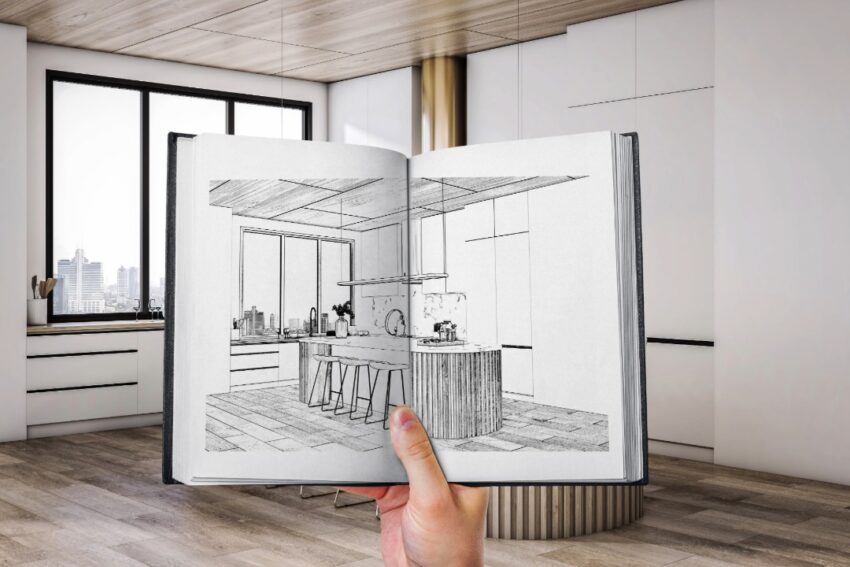
An efficient office begins with a well-planned layout. Office space planning is the process of organizing workspaces to maximize functionality, employee comfort, and operational efficiency. Whether you’re setting up a new corporate office, renovating an existing workplace, or expanding your business, strategic space planning helps create an environment that supports productivity while making the best use of available floor space.
Professional office space planning goes beyond arranging desks and chairs. It involves analyzing workflow, employee requirements, departmental interactions, storage needs, meeting spaces, and future expansion plans. Designers carefully allocate areas for workstations, executive cabins, conference rooms, reception areas, breakout zones, collaborative spaces, cafeterias, storage rooms, and circulation paths. The result is a workplace that balances aesthetics, functionality, and employee well-being.
A thoughtfully planned office directly influences business performance. The guide How Smart Office Design Improves Workflow and Business Efficiency explains how intelligent layouts, ergonomic workstations, optimized movement, and functional zoning reduce workplace inefficiencies and improve collaboration. Applying these principles enables organizations to create offices that support both employee satisfaction and operational success.
Partnering with professionals for office space planning ensures that every square foot is utilized effectively while creating a workspace that adapts to changing business needs.
Office Space Planning Services
Professional planners commonly provide:
- Workplace layout planning
- Workstation planning
- Executive cabin design
- Conference room planning
- Reception area design
- Collaborative workspace planning
- Breakout and lounge areas
- Storage planning
- Circulation and accessibility planning
- Turnkey office planning solutions
Benefits of Professional Office Space Planning
Maximum Space Utilization
Optimizes available floor space without creating overcrowded work areas.
Improved Employee Productivity
Efficient layouts reduce unnecessary movement and improve focus.
Better Collaboration
Well-planned collaborative zones encourage communication and teamwork.
Enhanced Employee Comfort
Ergonomic layouts contribute to a healthier and more comfortable workplace.
Flexible Future Growth
Adaptable layouts make it easier to accommodate business expansion.
Applications
- Corporate offices
- IT companies
- Startups
- Co-working spaces
- Educational institutions
- Healthcare offices
- Government offices
- Consulting firms
- Financial institutions
- Commercial buildings
How Smart Office Design Improves Workflow and Business Efficiency
The guide explains:
- Smart space planning
- Functional office layouts
- Efficient workflow design
- Better movement and circulation
- Organized workspaces
- Collaborative zones
- Employee productivity strategies
- Flexible workplace design
These insights help businesses create offices that improve operational efficiency, employee engagement, and long-term organizational performance.
Elements Used in Office Space Planning
Professional planners commonly incorporate:
- Modular workstations
- Ergonomic office furniture
- Glass partitions
- Acoustic panels
- Storage systems
- Meeting room solutions
- Breakout spaces
- Energy-efficient lighting
Why Choose Professional Office Space Planning Services?
Professional planners provide:
- Customized workplace strategies
- Efficient space utilization
- Employee-focused layouts
- Future-ready office designs
- Seamless coordination with interior execution
- Quality project management
- Long-term workplace optimization
Conclusion
Office space planning is essential for creating workplaces that are functional, flexible, and aligned with modern business needs. From workstation layouts and meeting rooms to collaborative zones and storage solutions, strategic planning improves productivity while making the best use of available space.
Before designing your workplace, explore How Smart Office Design Improves Workflow and Business Efficiency to discover how intelligent planning and optimized office layouts can enhance employee performance, improve collaboration, and support long-term business growth.