

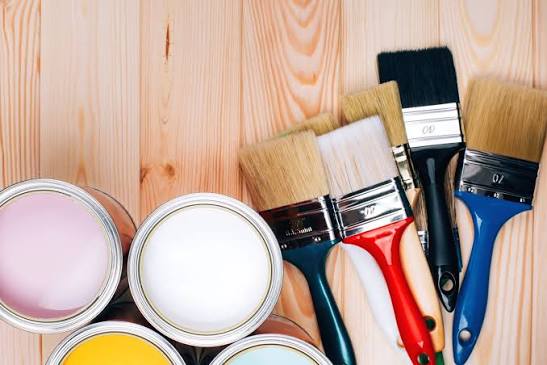
Painting can look like a simple job from the outside. Open the can, load the brush or roller, and start covering the wall. After a few hours, though, the reality becomes obvious: repetitive reaching, bending, loading paint, working around corners, and trying to maintain an even finish can make a project much more tiring than expected.
That is where choosing the right Painting Tools starts to matter. The goal isn’t simply to have more equipment. It’s to have tools that make the work easier to control, reduce unnecessary movement, and suit the size and shape of the area you’re painting.
A small bedroom and a tall stairwell don’t present the same challenges. Neither does a piece of furniture compared with an exterior wall. Thinking about the job before choosing the equipment can save both time and effort.
Start by Identifying the Difficult Parts of the Job
Before buying or gathering tools, walk through the project.
Look at the areas that could make painting awkward. Are the walls tall? Are there vaulted ceilings? Will you need to work around cabinets, windows, trim, or narrow spaces? Is the project large enough that using a small brush for everything would become exhausting?
These questions can change the tool selection considerably.
For a straightforward room with standard-height walls, a roller, brush, tray, and basic preparation equipment may be enough. A larger or more complicated project may benefit from extension equipment or spray accessories.
Color Haus Paint carries a range of painting equipment, including Wooster extension poles, roller frames, and Graco airless spray accessories.
Reach Matters More Than You Might Expect
Reaching high areas is one of the easiest ways to make a painting project unnecessarily difficult.
Standing on a ladder for every section of a tall wall can mean constantly repositioning equipment. An extension pole can provide additional reach while allowing you to work from a more comfortable position in many situations.
Color Haus Paint carries the Wooster Sherlock GT Convertible Extension Pole, which can be adjusted from 2 to 4 feet and uses a conversion tip that allows compatible threaded tools to work with the system.
Extension equipment isn’t only about height. It can also make repetitive roller work more comfortable by reducing the amount of bending and stretching required.
For high ceilings, stairways, and other difficult areas, specialized spray extensions are another option. Color Haus Paint offers a Graco RAC X 10-inch tip extension designed for hard-to-reach areas such as soffits, stairways, and vaulted ceilings.
The right solution depends on the project and the equipment being used.
Choose a Roller Setup That Works Together
A roller isn’t just a cover.
The frame, cover, handle, extension system, and paint-loading method all contribute to how the tool feels during a long project.
A lightweight frame may be easier to handle repeatedly, while a compatible extension pole can provide additional reach. The roller cover itself should also suit the surface and coating being applied.
Color Haus Paint carries Premier roller frames with universal threaded handles, allowing compatible frames to work with extension poles.
That compatibility can be useful when you’re setting up a system for larger walls or ceilings rather than treating every tool as a separate item.
Use Brushes Where Precision Is More Important Than Speed
Large surfaces naturally favor rollers or spray equipment, but there are plenty of areas where a brush gives you better control.
Corners, narrow sections, trim, edges, touch-ups, and detailed surfaces can require a level of precision that is difficult to achieve with a large roller.
The trick is not to make one tool do every job.
A painter who tries to cover a large wall entirely with a small brush may spend far more time than necessary. Someone who tries to use a large roller around every piece of trim can create unnecessary cleanup and uneven edges.
Think in terms of coverage versus control.
Use the tool that gives you the appropriate balance for each part of the project.
When Spraying Can Change the Workflow
For certain projects, spraying can significantly change how paint is applied.
Airless spray equipment can cover large areas efficiently, while different spray tips can be selected according to the coating and desired application.
Color Haus Paint carries several Graco RAC X and Fine Finish Low Pressure spray tips. Its FFLP310, for example, is designed for fine-finish applications and uses SmartTip technology intended to operate at lower pressure while helping reduce overspray.
Other tip sizes offer different spray widths and applications. Color Haus Paint’s Graco 517 RAC X tip, for example, has a 10- to 12-inch fan width and is designed for broader coverage.
That doesn’t mean spraying is automatically better. Sprayers require appropriate preparation, masking, technique, and cleanup. For a small room with limited surfaces, brushing and rolling may still be the simpler option.
The equipment should match the project—not the other way around.
Don’t Ignore Tool Weight During Long Jobs
A tool that feels comfortable for five minutes may feel very different after several hours.
This becomes particularly noticeable when working overhead or repeatedly moving a roller across large surfaces.
Try to minimize unnecessary weight and awkward positioning. Extension poles can help with reach, while properly sized handles and frames can make repeated movements more manageable.
The goal is to keep your movements controlled and consistent rather than constantly stretching, bending, or twisting to reach another section.
A more comfortable setup can also make it easier to maintain a consistent application technique toward the end of a long workday.
Preparation Tools Can Save More Time Than Application Tools
It’s easy to focus on the actual painting equipment and forget what happens before the first coat.
Scrapers, sanding supplies, patching tools, cleaning materials, painter’s tape, and drop cloths can have a major effect on the overall workflow.
A wall with loose paint or an uneven repair will not suddenly become smooth because you bought a better roller.
Take care of the surface first. Then choose the application tool.
This is particularly useful on renovation projects where existing surfaces may have several layers of old paint, previous repairs, or areas that need additional attention.
Keep the Setup Simple
A professional-looking project doesn’t require every painting accessory available.
For many jobs, a basic setup can be built around:
- A quality brush for detailed areas
- A roller and appropriate cover
- A roller frame
- An extension pole when additional reach is needed
- A paint tray or loading system
- Surface-preparation tools
- Painter’s tape and protective coverings
- Cleaning supplies
From there, add specialized equipment only when the project justifies it.
For example, a high ceiling may justify an extension system. A large exterior project may justify a sprayer. A detailed furniture project may benefit from fine-finish spray equipment.
The best toolkit is usually the one that solves the actual problems of the project.
Clean and Maintain the Equipment
Painting tools become much more useful when they’re ready for the next job.
Clean reusable equipment according to the coating manufacturer’s recommendations. Don’t allow paint to dry on brushes, roller frames, spray tips, or other components that are designed for reuse.
Spray equipment deserves particular attention because dried coating can interfere with the tip and affect the spray pattern.
Color Haus Paint’s Graco spray-tip selection includes RAC and SwitchTip designs with features intended to make clearing clogs and changing application setups easier.
Taking care of the equipment also means inspecting it before the next project. A damaged roller frame, worn extension component, or clogged spray tip is much easier to address before you’re halfway through a job.
Choose Tools Around the Way You Work
The most useful Painting Tools aren’t necessarily the most expensive or specialized ones. They’re the tools that remove friction from the particular project you’re doing.
If you’re painting standard walls, focus on a good roller setup and reliable brushes. If you’re working on high ceilings, think about reach. If you’re covering a large surface, consider whether spraying could improve efficiency. If the project involves detailed areas, prioritize control.
And don’t overlook comfort.
Painting involves hundreds or thousands of repeated movements. A tool that improves reach, reduces awkward positioning, or makes application more consistent can have a noticeable impact by the time the final coat is finished.
Before starting your next project, spend a few minutes identifying where the work will be difficult. Then build your equipment around those challenges. The result isn’t just a faster painting job—it can be a more controlled, comfortable, and enjoyable one from the first coat to the final touch-up.